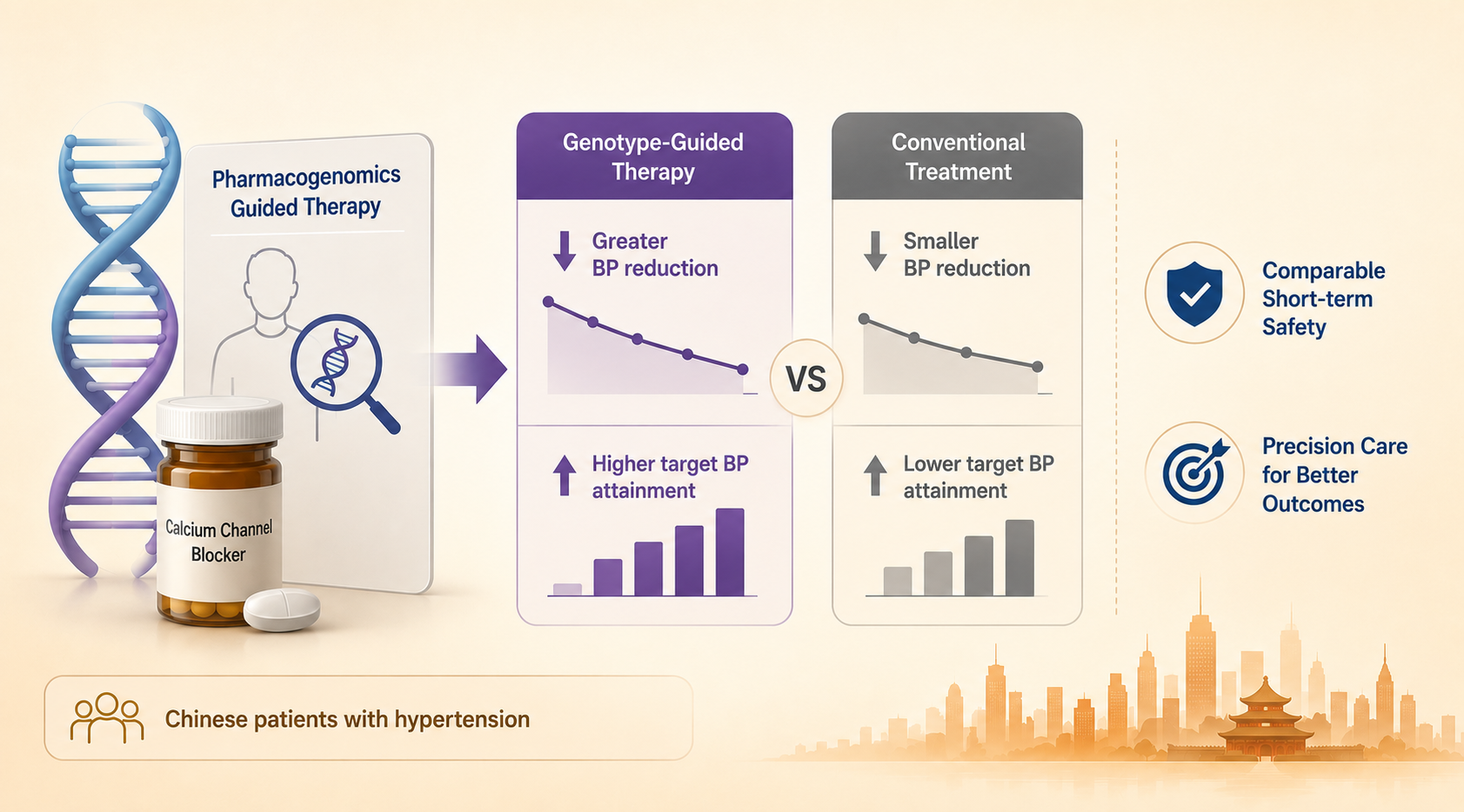
Interindividual variability in antihypertensive drug response presents a major challenge in achieving optimal blood pressure (BP) control. Pharmacogenomics (PGx) offers an opportunity to individualize therapy by identifying genetic variants associated with differential drug efficacy and metabolism. This study evaluated the association of a calcium channel blocker (CCB)-related PGx-guided treatment strategy with BP outcomes and short-term safety in Chinese patients with hypertension through a secondary exploratory analysis of two randomized cohorts.
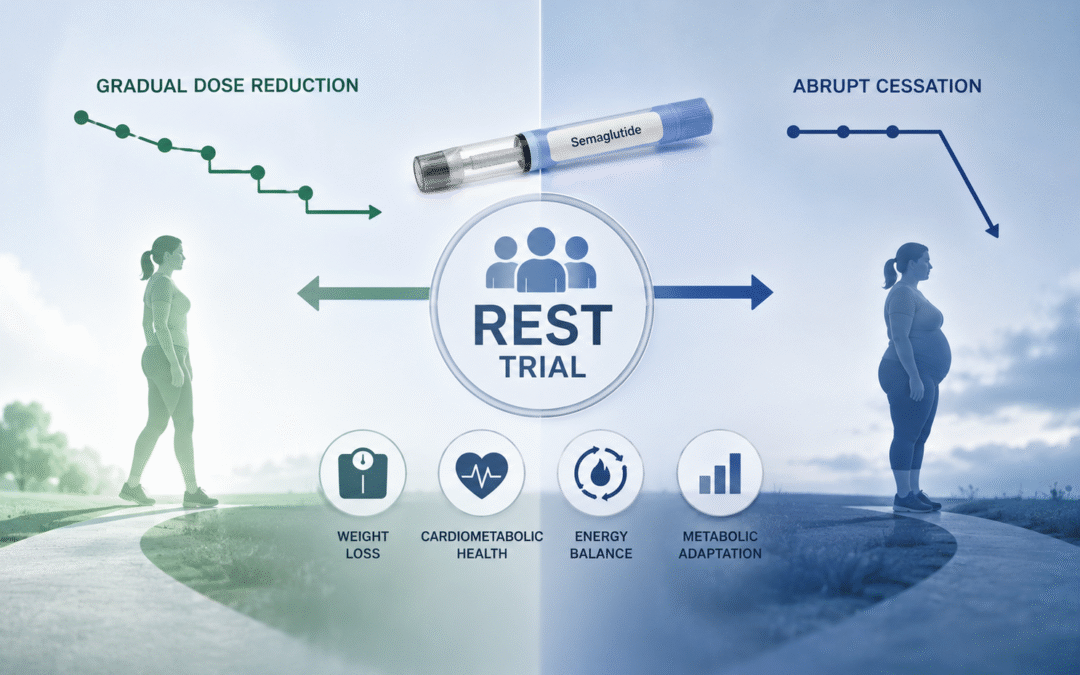
The Recovery Effects After Semaglutide Termination (REST) trial is a prospective, randomized, open-label clinical study designed to investigate the physiological and cardiometabolic consequences of discontinuing semaglutide therapy in individuals with obesity. Although semaglutide has demonstrated substantial and sustained weight reduction together with improvements in cardiometabolic risk factors, there is limited evidence regarding the optimal strategy for treatment discontinuation. Previous studies have shown that stopping semaglutide is frequently associated with weight regain and reversal of metabolic benefits, highlighting obesity as a chronic disease that may require long-term pharmacological management.
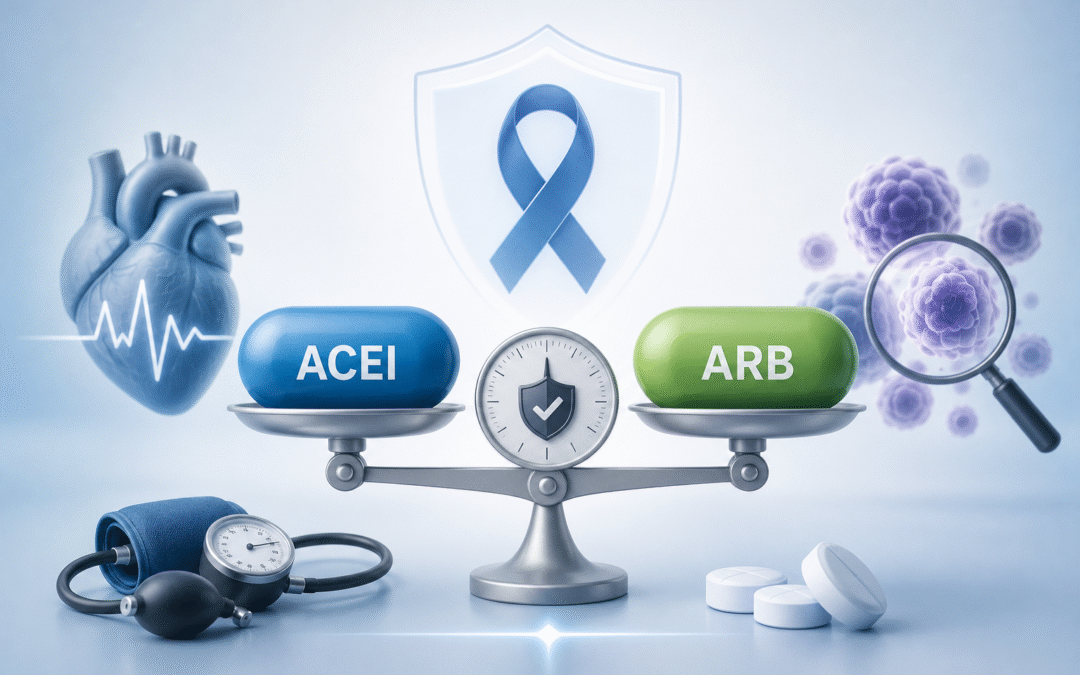
Concerns regarding the long-term carcinogenic potential of renin–angiotensin system (RAS) inhibitors have generated considerable debate over the past decade. To better clarify this association, a comparative analysis published in PLOS ONE evaluated the relationship between angiotensin-converting enzyme inhibitors (ACEIs) and angiotensin receptor blockers (ARBs) and the risk of developing cancer. Using a large real-world population dataset, the investigators compared cancer incidence among patients receiving ACEIs or ARBs while adjusting for relevant demographic and clinical confounding factors.

The role and optimal duration of beta-blocker therapy following myocardial infarction (MI) have been increasingly questioned in the contemporary era of advanced reperfusion strategies and secondary prevention therapies. In a recent study published in the New England Journal of Medicine, investigators evaluated the safety and clinical outcomes associated with discontinuation of long-term beta-blocker therapy in stable post-MI patients without clear ongoing indications such as heart failure or reduced left ventricular ejection fraction (LVEF).

The 2026 ACC/AHA/AACVPR/ABC/ACPM/ADA/AGS/APhA/ASPC/NLA/PCNA Guideline on the Management of Dyslipidemia represents a major update in lipid management, integrating contemporary evidence to optimize prevention of atherosclerotic cardiovascular disease (ASCVD). The guideline provides a comprehensive, life-course approach to the evaluation, treatment, and monitoring of dyslipidemias, encompassing both primary and secondary prevention strategies.

Heart failure (HF) represents a prevalent and prognostically important complication in individuals with type 2 diabetes (T2D), contributing substantially to morbidity and mortality. Although glucagon-like peptide-1 receptor agonists (GLP-1 RAs) have shown cardiovascular benefit in T2D, the impact of the once-daily oral semaglutide formulation on HF outcomes has not been fully characterized. The SOUL trial was a multinational, randomized, double-blind, placebo-controlled cardiovascular outcomes study in adults with T2D and atherosclerotic cardiovascular disease (ASCVD) and/or chronic kidney disease (CKD), originally designed to assess major adverse cardiovascular events (MACE). This secondary analysis evaluates the effect of oral semaglutide on HF outcomes according to HF status at baseline.