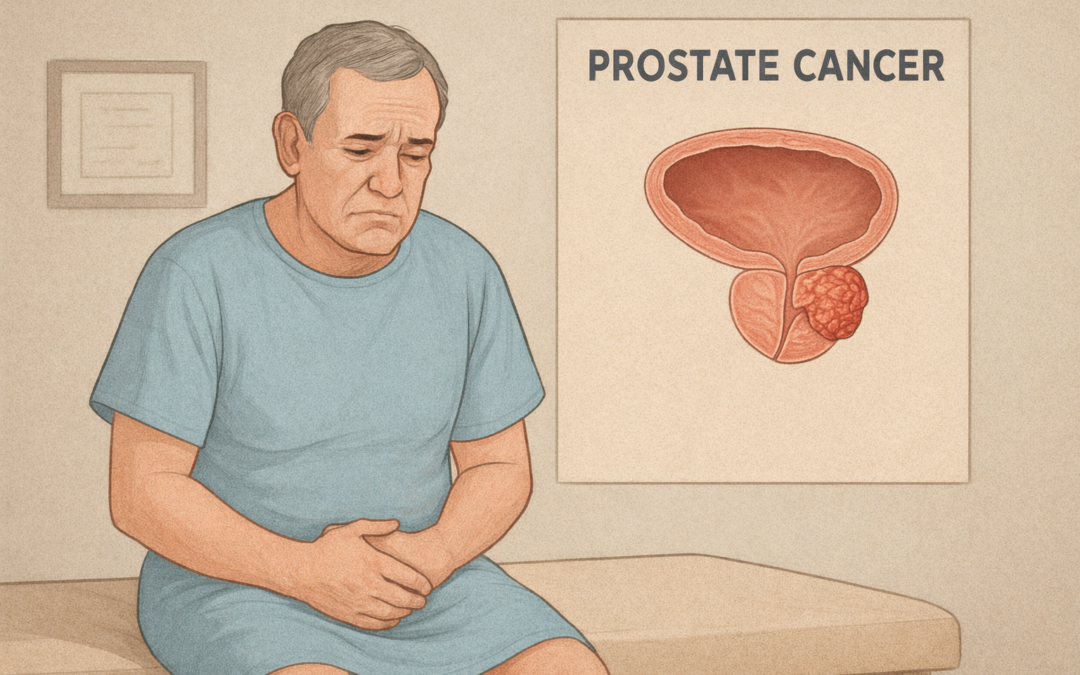
On December 12, 2025, the U.S. Food and Drug Administration (FDA) granted approval for AKEEGA® (niraparib and abiraterone acetate dual-action tablet) in combination with prednisone for the treatment of adult patients with deleterious or suspected deleterious BRCA2-mutated metastatic castration-sensitive prostate cancer (mCSPC). This supplemental New Drug Application (sNDA) approval marks AKEEGA as the first and only precision medicine combination of a PARP inhibitor and androgen receptor pathway inhibitor specifically indicated for BRCA2-mutated mCSPC, expanding its prior 2023 approval for BRCA-mutated metastatic castration-resistant prostate cancer (mCRPC).

The American Diabetes Association (ADA) Standards of Care in Diabetes—2026, published as a supplement to Diabetes Care (Volume 49, January 2026), offers a comprehensive, evidence-graded framework (A–E) for healthcare professionals managing diabetes across diverse populations, including type 1, type 2, gestational, monogenic, and special cases like cystic fibrosis- or immunotherapy-related diabetes. Developed by the Professional Practice Committee through systematic reviews (June 2024–July 2025), the document adopts person-first, empowering language; updates evidence levels; and incorporates endorsements from global societies. Targeting primary care providers, specialists, educators, policymakers, and patients, it stresses shared decision-making, social determinants of health (SDOH), and telehealth to mitigate access barriers, such as insulin cost caps under the Inflation Reduction Act ($35/month) and 15–19% nonadherence due to affordability.

Chagas disease, caused by Trypanosoma cruzi, is a leading cause of non-ischemic cardiomyopathy in Latin America, affecting 6–7 million people. Despite clear benefit of sacubitril/valsartan over enalapril in HFrEF of other etiologies (PARADIGM-HF trial), its efficacy in Chagas cardiomyopathy remained unknown due to distinct pathophysiology involving chronic inflammation, fibrosis, and microvascular dysfunction.

Endometrial cancer (EC), particularly the endometrioid subtype, remains a leading gynecologic malignancy with limited options for advanced, ER-positive disease. Preclinical models demonstrate synergistic antitumor effects from concurrent inhibition of estrogen receptor (ER), cyclin-dependent kinase 4/6 (CDK4/6), and phosphoinositide 3-kinase (PI3K)/mammalian target of rapamycin (mTOR) pathways. Building on window-of-opportunity studies showing metformin’s suppression of PI3K/mTOR signaling in EC, we conducted a single-arm, non-randomized phase 2 trial (NCT03675893) to evaluate the combination of letrozole (an aromatase inhibitor), abemaciclib (a CDK4/6 inhibitor), and metformin (a PI3K/mTOR modulator) in patients with ER-positive endometrioid EC.

Hypertension remains a global health crisis, affecting over 1.4 billion people and serving as a leading risk factor for cardiovascular and renal diseases. Despite advances in antihypertensive therapies, approximately 50% of treated patients in the US fail to achieve blood pressure control with multiple agents, highlighting a critical unmet need in hard-to-control (uncontrolled or treatment-resistant) hypertension. Aldosterone, a hormone that promotes sodium and water retention, plays a pivotal role in this resistance, yet targeted interventions have been limited for over two decades.