

Zydus Secures USFDA Approval for Estradiol and Levonorgestrel Transdermal System with 180-Day CGT Exclusivity Eligibility
Zydus Lifesciences Limited announced on October 21, 2026, that the United States Food and Drug Administration (USFDA) had granted final approval for its Abbreviated New Drug Application (ANDA) for Estradiol and Levonorgestrel Transdermal System, 0.045 mg/0.015 mg per day. The product is a generic equivalent of Climara Pro, a hormone therapy used in postmenopausal women. The approval expands Zydus’s portfolio of generic pharmaceutical products in the US market.
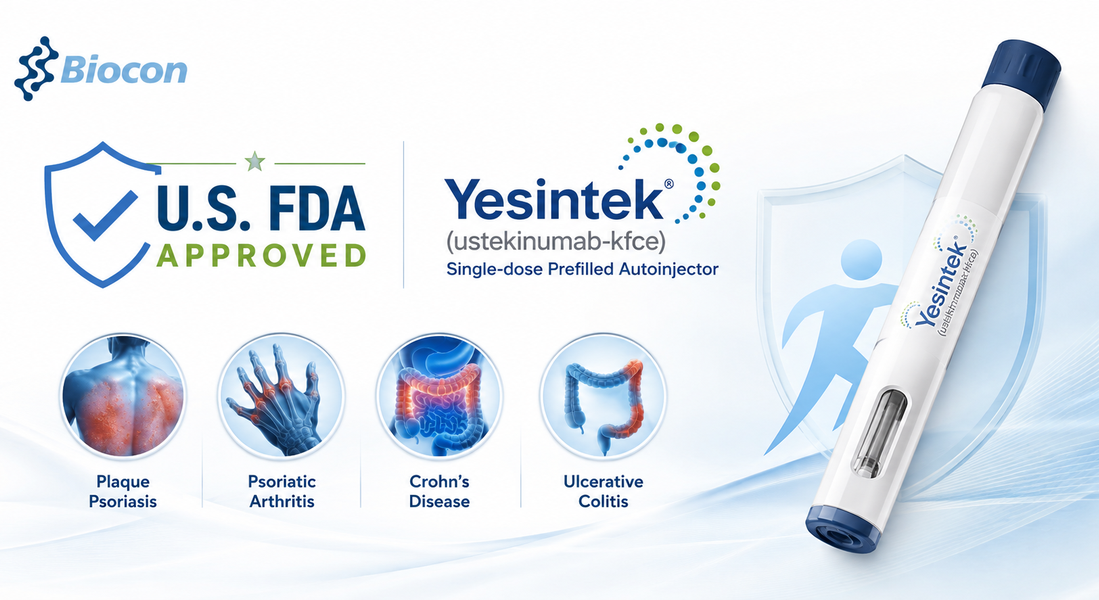
Biocon Receives U.S. FDA Approval for Yesintek® Ustekinumab Autoinjector
Biocon has announced that the U.S. Food and Drug Administration (U.S. FDA) has approved Yesintek® (ustekinumab-kfce) as a single-dose prefilled autoinjector. Yesintek® is a biosimilar to Stelara® (ustekinumab), a biologic therapy used across several immune-mediated inflammatory diseases. The approval represents another advancement in Biocon’s expanding biosimilar portfolio and strengthens its presence in the U.S. immunology market.
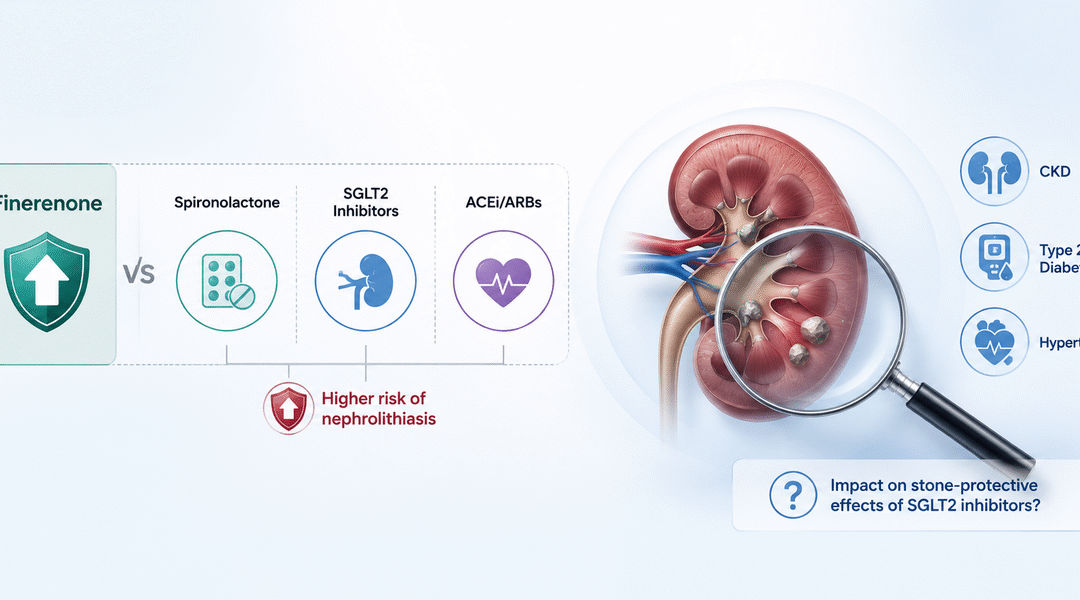
Finerenone and Nephrolithiasis Risk: Insights from Real-World Evidence
Finerenone, a non-steroidal mineralocorticoid receptor antagonist (MRA), has demonstrated renoprotective benefits in people with chronic kidney disease (CKD) and type 2 diabetes mellitus (T2DM). However, its potential association with nephrolithiasis has not been well characterized. A newly published real-world study in Scientific Reports evaluated the incidence of kidney stones among patients receiving finerenone compared with other commonly used CKD therapies.

Prof GIUSEPPE MANCIA

Prof. Enrico Agabiti Rosei at ESH 2019 Milan part 1
Prof. Enrico Agabiti Rosei at ESH 2019 Milan part 2

Professor Dame Anna Dominiczak at ESH 2019 Milan