Lantheus Holdings, Inc. (NASDAQ: LNTH), a leader in radiopharmaceuticals, revealed on August 6, 2025, that the U.S. Food and Drug Administration (FDA) has accepted a New Drug Application (NDA) submitted by its affiliate, Aphelion, for an advanced formulation of piflufolastat F 18, the active ingredient in its flagship PSMA-targeted PET imaging agent, PYLARIFY. The FDA has established a Prescription Drug User Fee Act (PDUFA) target action date of March 6, 2026, paving the way for potential approval that could significantly expand access to this diagnostic tool for prostate cancer patients. This development builds upon PYLARIFY’s established success, which has revolutionized prostate cancer imaging with superior diagnostic performance, including an 86% median true-positive rate for detecting recurrent disease in patients with rising PSA levels post-therapy, as demonstrated in clinical studies with independent readers.
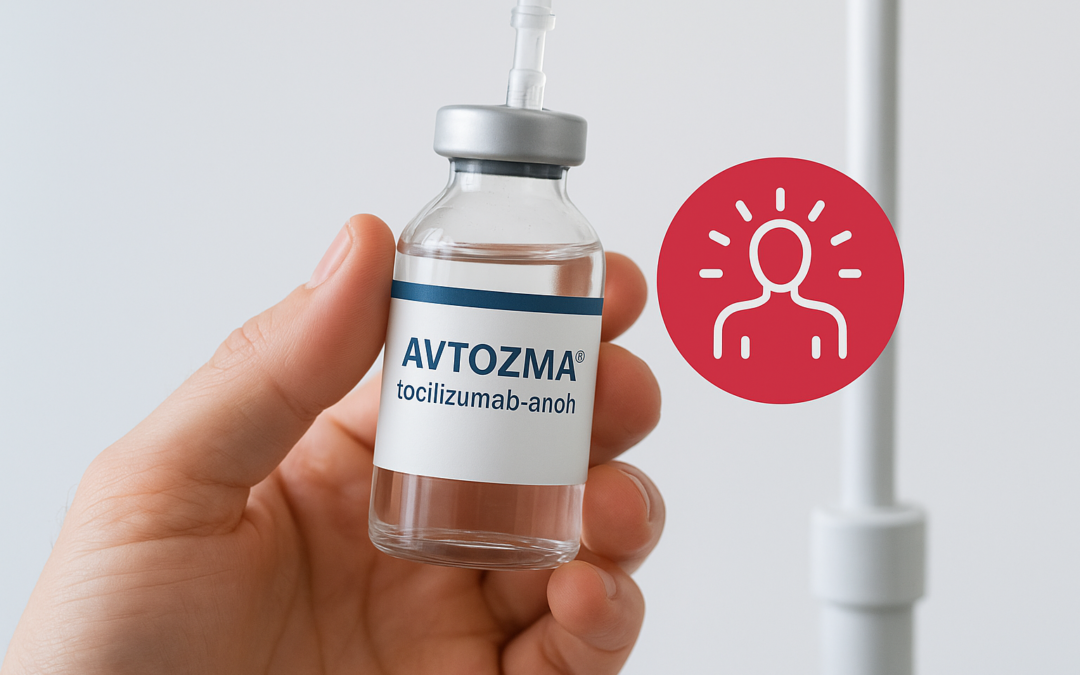
On August 6, 2025, the U.S. Food and Drug Administration (FDA) granted an expanded indication for AVTOZMA® (tocilizumab-anoh), a biosimilar to ACTEMRA® (tocilizumab), allowing its intravenous (IV) formulation to be used for the treatment of cytokine release syndrome (CRS) in adult and pediatric patients aged 2 years and older. This approval marks a significant milestone for Celltrion, Inc., the South Korea-based biopharmaceutical company behind AVTOZMA, as it now aligns the biosimilar with all FDA-approved indications for the reference product’s IV form.
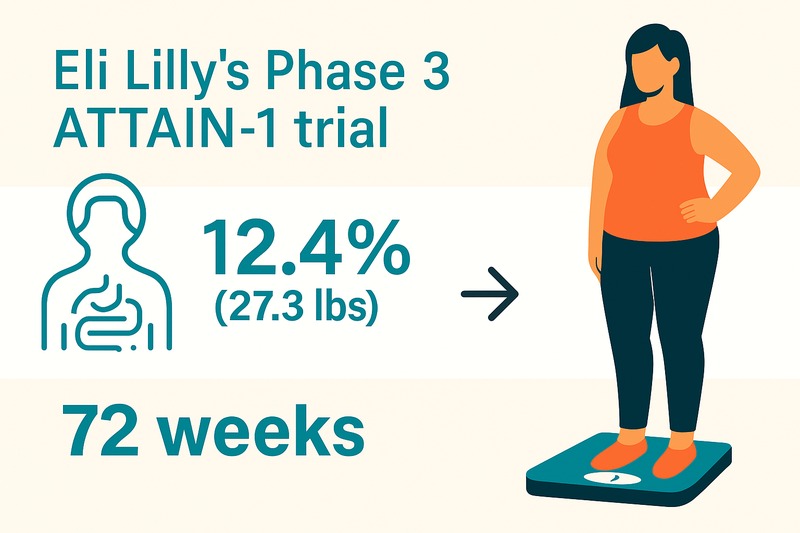
Obesity affects over one billion people globally, driving chronic disease burden. Orforglipron, an investigational oral glucagon-like peptide-1 (GLP-1) receptor agonist, offers a potential non-injectable treatment for weight management. The Phase 3 ATTAIN-1 trial evaluated its efficacy and safety in adults with obesity or overweight with weight-related comorbidities, excluding diabetes.
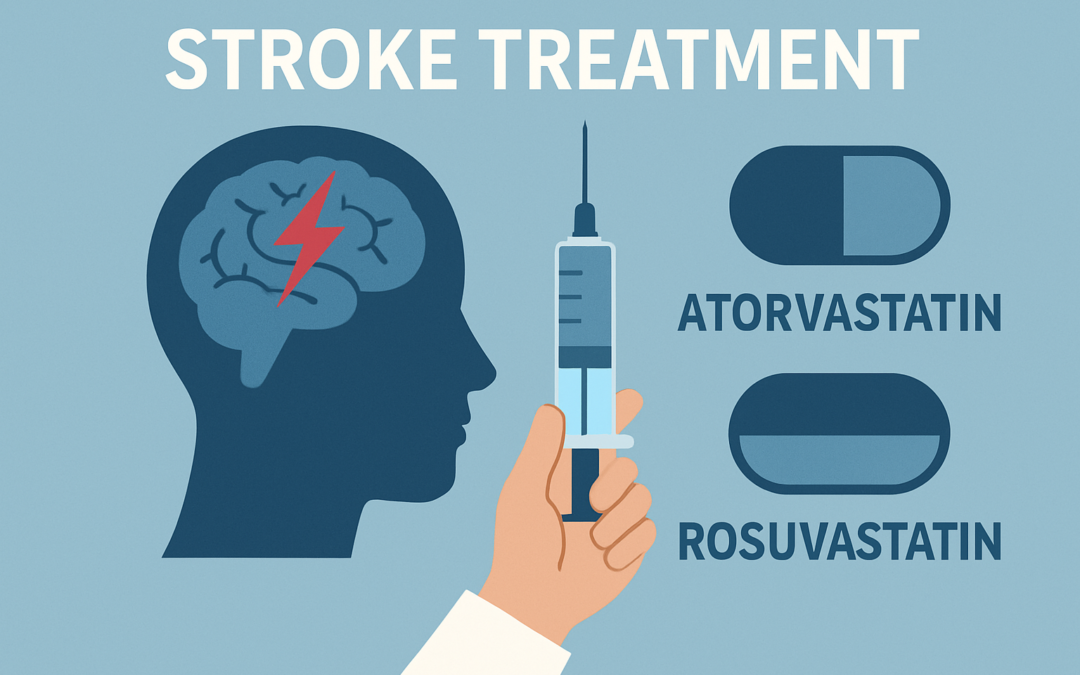
This national registry-based observational study, conducted using data from the Third China National Stroke Registry (CNSR-III), compared the effectiveness and safety of atorvastatin versus rosuvastatin in 3322 adult patients (aged ≥18 years) with ischemic stroke or transient ischemic attack (TIA) who initiated either statin within 7 days of symptom onset, from August 2015 to March 2018. Eligible patients had a pre-stroke modified Rankin Scale (mRS) score of 0, indicating no disability. Of these, 2605 initiated atorvastatin, and 717 initiated rosuvastatin. The primary outcome was ideal, defined as an mRS score of 0 (no symptoms) at 3 months. Secondary outcomes included ideal outcomes at discharge, 6 months, and 12 months, as well as 12-month rates of stroke recurrence, all-cause mortality, cardiovascular mortality, and major adverse cardiovascular events (MACE).

The impending loss of exclusivity for semaglutide, the active ingredient in Ozempic and Wegovy, in 2026 is poised to transform the anti-obesity medication (AOM) market, particularly in countries like India, China, Canada, Brazil, and Turkey, which represent 40% of the global population and 33% of adults with obesity. With combined sales of $26 billion in 2024 and a 40% annual growth rate, semaglutide’s patent expiration in these markets will introduce off-patent versions, intensifying competition and reshaping treatment landscapes. In India, over ten companies are developing off-patent semaglutide, with seven focusing on oral formulations to differentiate from injectables. China sees 17 candidates in advanced trials, leveraging its manufacturing prowess, while partnerships, like Biocon’s with Biomm in Brazil, signal global expansion efforts.