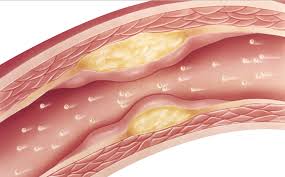
Non-invasive imaging in the PESA (Progression of Early Subclinical Atherosclerosis) study revealed that 71% and 43% of middle-aged men and women, respectively, have evidence of subclinical atherosclerosis.
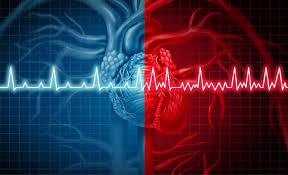
The prime states susceptible to atrial fibrillation (AF) are aging, arterial hypertension, coronary artery disease, congestive heart failure and valvular heart disease.

According to a 2-year study, in chronic musculoskeletal pain patients, an enhancement in opioid dosage seems to be of no precise benefit.
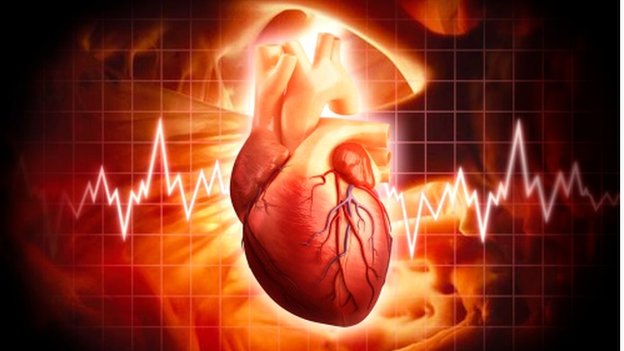
Diabetes mellitus (DM) has a negative impact on prognosis in patients with heart failure (HF).
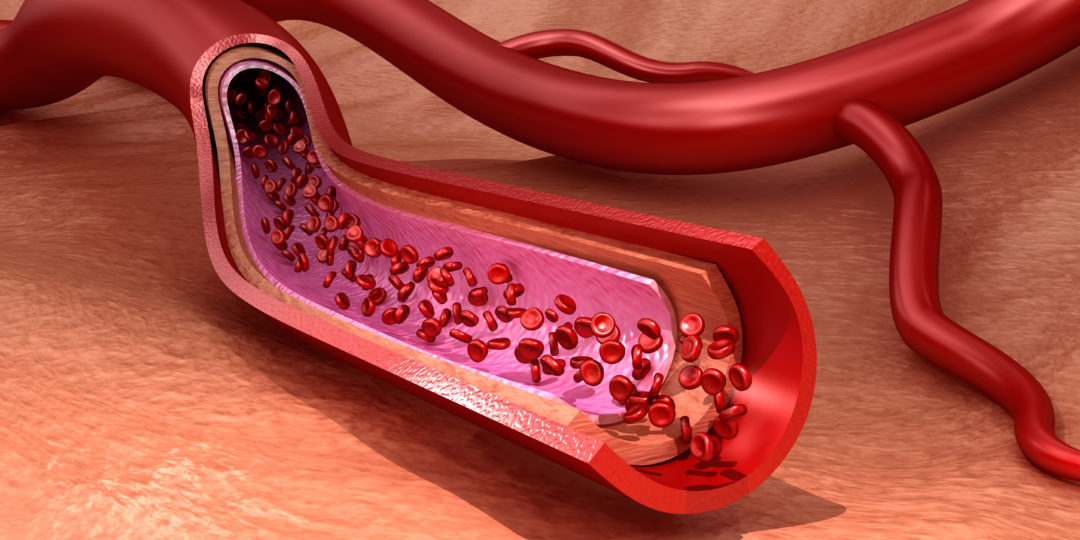
A coronary artery disease (CAD) responsiveness is focused on chromosome 15q26.1, recognized by genome-wide association studies.

As reported by a new research from the American Medical Association (AMA), 43.9% of physician surveyed, notified at least one symptom of burnout and as compared with other working adults in the United States were at a high risk for burnout.