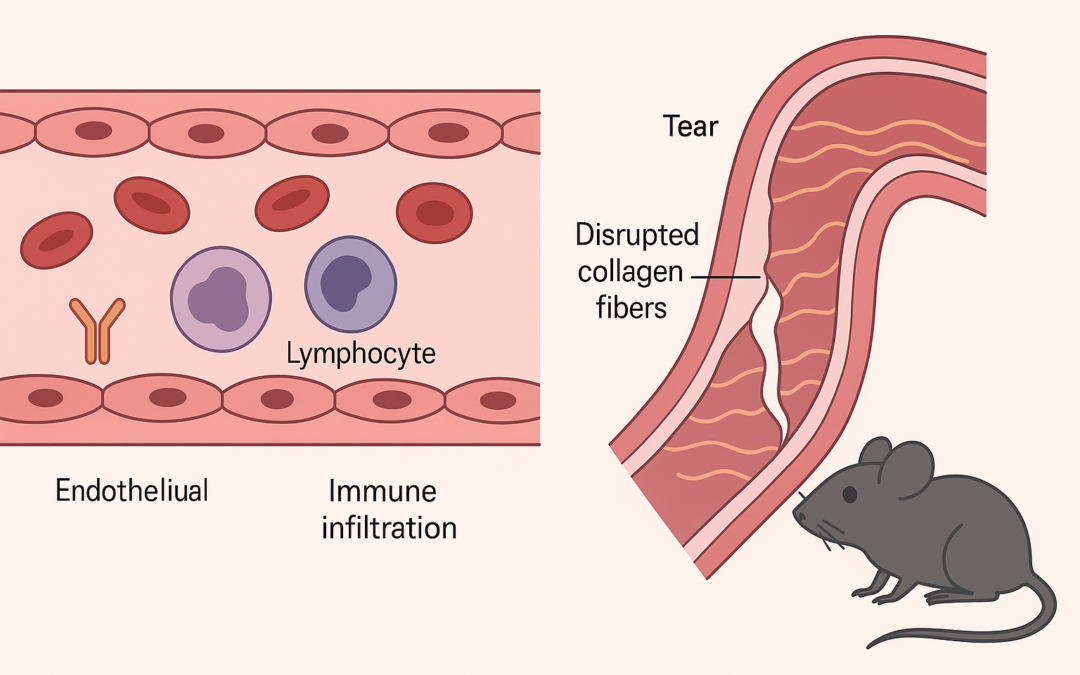
The study presents a novel mouse model for spontaneous aortic dissection (AD), developed by introducing a patient-derived FBN1 gene variant (Gly234Asp) using CRISPR/Cas9. This mutation, identified in a family with nonsyndromic AD, leads to early-onset, rapidly progressing aortic dissection in homozygous mutant mice, with a 50% mortality rate by five weeks of age. The mutant mice exhibit multiple intimomedial tears in the ascending aorta, mimicking human pathology. The research identifies early abnormalities in endothelial cells (ECs), such as misalignment with blood flow and upregulation of adhesion molecules (VCAM-1 and ICAM-1), contributing to immune cell recruitment.
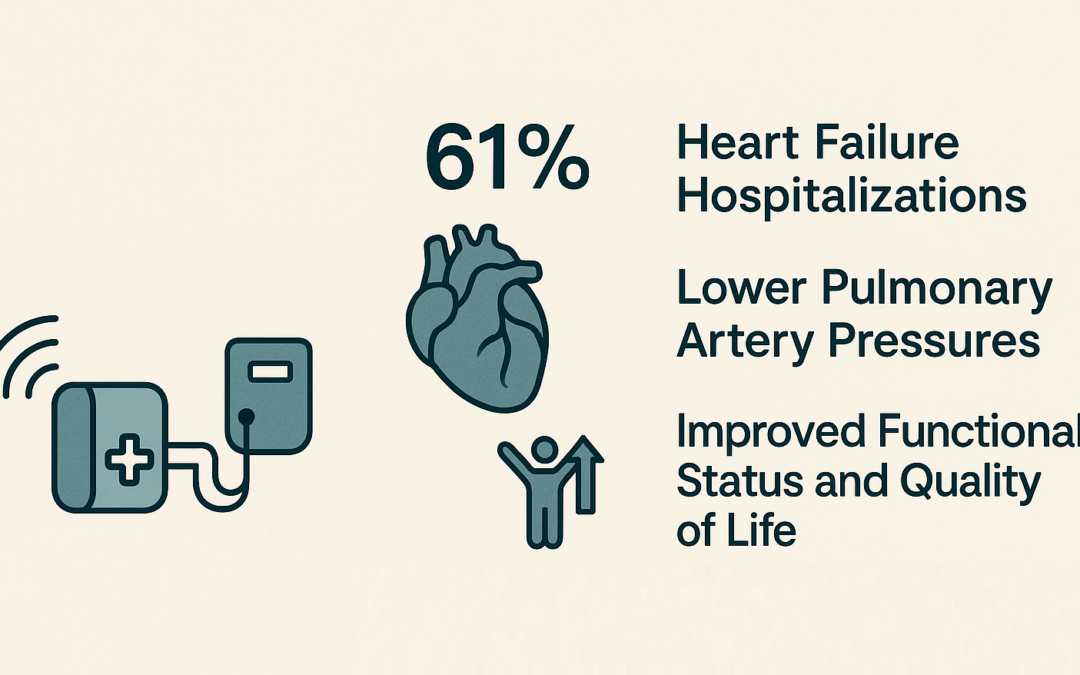
This systematic review and meta-analysis evaluates the effectiveness of pulmonary artery pressure (PAP)-guided management using the CardioMEMS Heart Failure System in patients with heart failure (HF) outside the controlled settings of randomized clinical trials. The study aims to assess real-world evidence regarding the system’s impact on key clinical outcomes, particularly heart failure hospitalizations (HFHs), functional status, and quality of life.
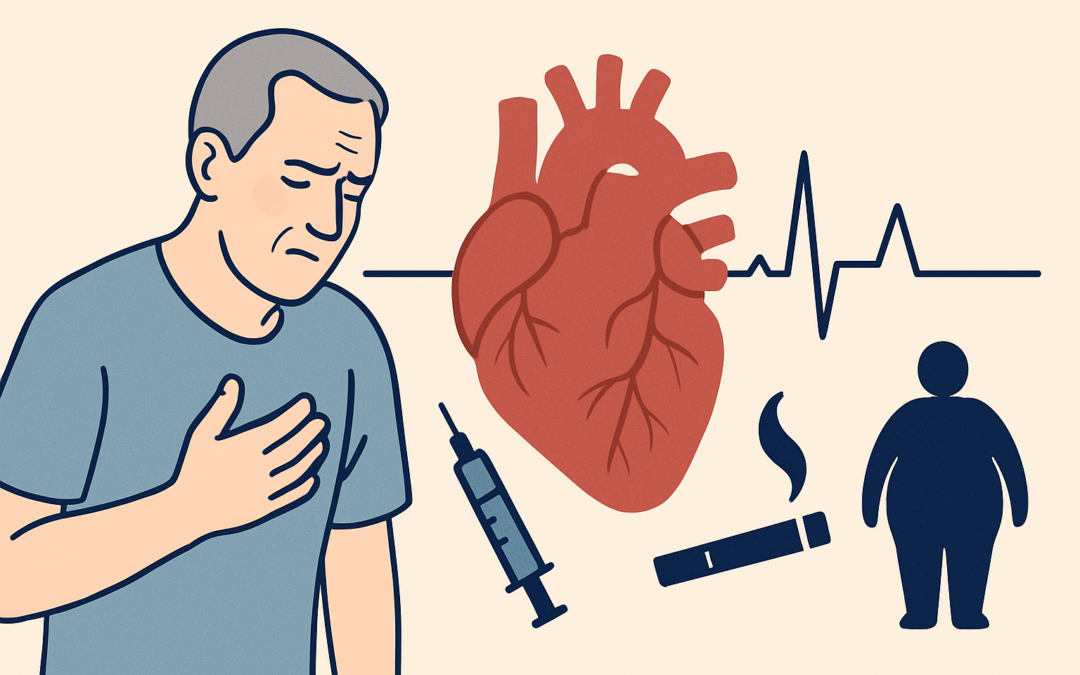
The study investigates the long-term cardiovascular and mortality risks associated with adult-onset type 1 diabetes (T1D), especially in individuals diagnosed at age 40 or older, using data from over 10,000 people with T1D in Sweden. It compares them with patients with type 2 diabetes (T2D) and over half a million diabetes-free controls, tracking outcomes from 2005 to 2022.

The article from the European Heart Journal discusses recent advances in treatments and biomarkers for heart failure (HF), hypertrophic cardiomyopathy (HCM), and familial hypercholesterolaemia (FH), highlighting both clinical trials and emerging research.
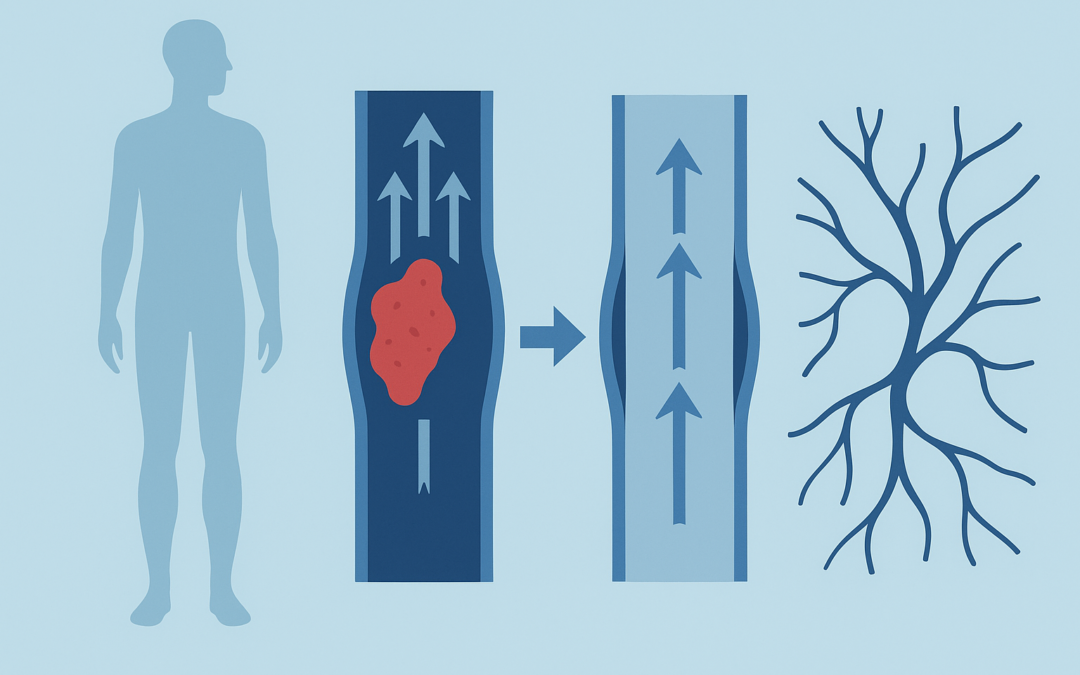
The scientific statement revisits the Open Vein Hypothesis (OVH), which suggests that early clearance of venous thrombus and restoration of blood flow can help prevent postthrombotic syndrome (PTS) following deep vein thrombosis (DVT). PTS is a debilitating condition that affects up to 50% of patients after a DVT and significantly impairs quality of life. The authors note that despite anticoagulation and compression therapy, PTS remains prevalent, highlighting the need for improved prevention strategies.

The study assessed patients who underwent cardiac magnetic resonance imaging (CMR) due to reduced left ventricular ejection fraction (LVEF) and a history of atrial or ventricular arrhythmia. AIC was diagnosed retrospectively in patients who showed improvement in LVEF by more than 15% within six months of rhythm control without any other specific heart disease identified. The researchers compared the clinical, laboratory, and imaging characteristics of 86 patients with AIC to those of 463 patients with other non-ischaemic cardiomyopathies (NICM).