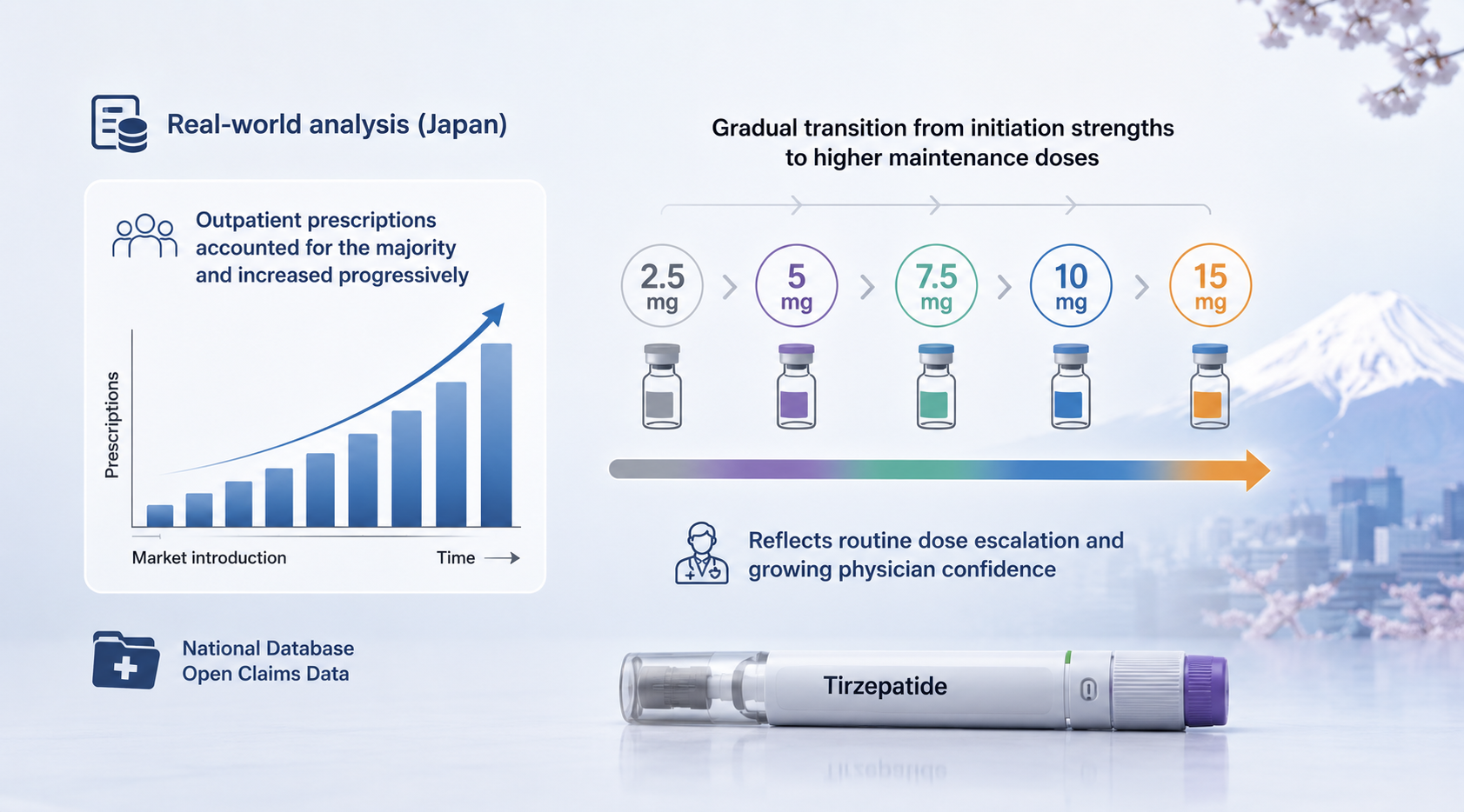
Tirzepatide, a dual glucose-dependent insulinotropic polypeptide (GIP) and glucagon-like peptide-1 (GLP-1) receptor agonist, has emerged as an important therapeutic option for type 2 diabetes mellitus (T2DM). While clinical trials have established its efficacy, real-world evidence describing prescribing behavior and dose utilization after market introduction remains limited. This study assessed outpatient dispensing patterns and changes in tirzepatide strength mix in Japan using nationwide administrative claims data.

The Recovery Effects After Semaglutide Termination (REST) trial is a prospective, randomized, open-label clinical study designed to investigate the physiological and cardiometabolic consequences of discontinuing semaglutide therapy in individuals with obesity. Although semaglutide has demonstrated substantial and sustained weight reduction together with improvements in cardiometabolic risk factors, there is limited evidence regarding the optimal strategy for treatment discontinuation. Previous studies have shown that stopping semaglutide is frequently associated with weight regain and reversal of metabolic benefits, highlighting obesity as a chronic disease that may require long-term pharmacological management.

Eli Lilly has reported positive topline results from two additional Phase 3 studies in its TRIUMPH clinical development programme, further establishing the efficacy of retatrutide, an investigational first-in-class triple hormone receptor agonist targeting glucose-dependent insulinotropic polypeptide (GIP), glucagon-like peptide-1 (GLP-1), and glucagon receptors. The TRIUMPH-2 and TRIUMPH-3 trials evaluated retatrutide in adults with obesity complicated by type 2 diabetes and established cardiovascular disease, respectively. Both studies successfully met their primary efficacy endpoints after 80 weeks of treatment.

A large population-based screening study published in JAMA examined more than 220,000 children in Germany to detect early, presymptomatic type 1 diabetes using islet autoantibody testing. The study aimed to understand how common early-stage disease is and how it progresses over time in the general pediatric population.

The 2026 consensus statement from the American Association of Clinical Endocrinology reflects a continued evolution in endocrine care, emphasizing a comprehensive, patient-centered, and multidisciplinary framework for managing cardiometabolic diseases. Building on prior AACE guidance and algorithms, the statement integrates the latest evidence with practical clinical strategies to address conditions such as obesity, diabetes, dyslipidemia, and related metabolic disorders.
Diabetes mellitus is a chronic metabolic disorder with high global prevalence and considerable risk of long-term complications if glucose levels remain uncontrolled. Mobile health (mHealth) interventions—leveraging smartphones, SMS messaging, and telehealth technologies—offer scalable tools for diabetes self-management, patient engagement, and clinical monitoring. This systematic review and meta-analysis aimed to comprehensively evaluate both the clinical efficacy and cost-effectiveness of mHealth interventions in diabetes care.