
Concerns regarding the long-term carcinogenic potential of renin–angiotensin system (RAS) inhibitors have generated considerable debate over the past decade. To better clarify this association, a comparative analysis published in PLOS ONE evaluated the relationship between angiotensin-converting enzyme inhibitors (ACEIs) and angiotensin receptor blockers (ARBs) and the risk of developing cancer. Using a large real-world population dataset, the investigators compared cancer incidence among patients receiving ACEIs or ARBs while adjusting for relevant demographic and clinical confounding factors.

In a randomized crossover clinical trial (NCT05263232), Harmsen et al. investigated the metabolic effects of natural daylight exposure during office hours in individuals with type 2 diabetes (T2D). Thirteen participants with T2D, virologically suppressed on treatment, were exposed to either natural daylight (facilitated through windows) or constant artificial office lighting for 4.5 consecutive days in a controlled setting, with interventions separated by a washout period.

GSK announced on January 7, 2026, positive topline results from the two pivotal Phase III trials, B-Well 1 (NCT05630807) and B-Well 2 (NCT05630820), evaluating bepirovirsen, an investigational triple-action antisense oligonucleotide (ASO), as a potential first-in-class finite treatment for chronic hepatitis B (CHB).
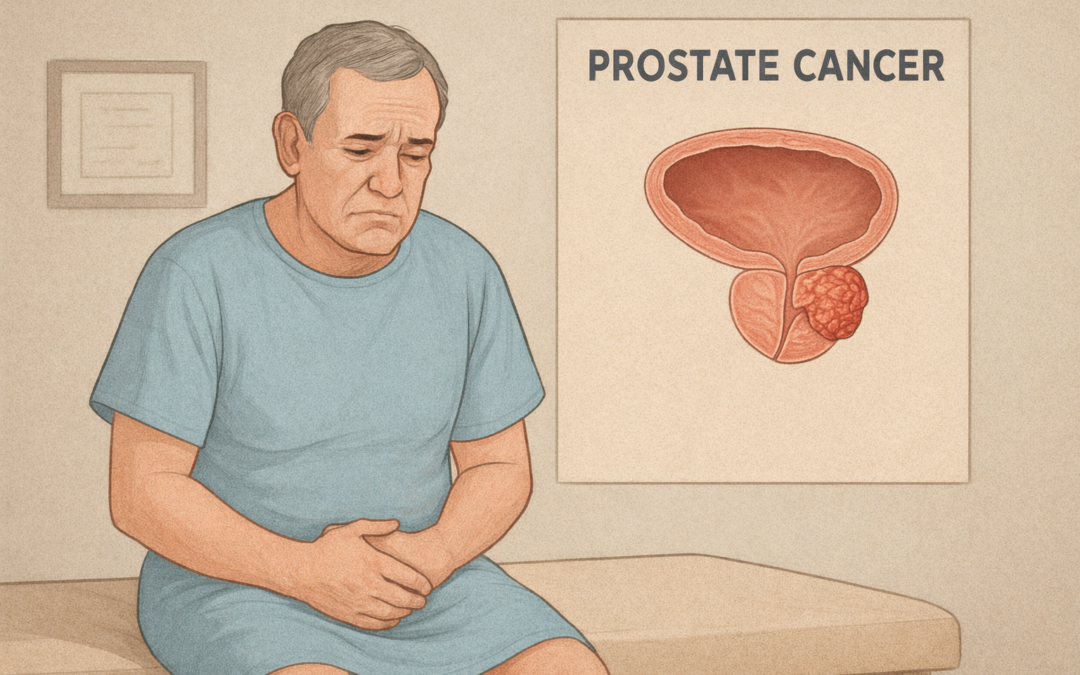
On December 12, 2025, the U.S. Food and Drug Administration (FDA) granted approval for AKEEGA® (niraparib and abiraterone acetate dual-action tablet) in combination with prednisone for the treatment of adult patients with deleterious or suspected deleterious BRCA2-mutated metastatic castration-sensitive prostate cancer (mCSPC). This supplemental New Drug Application (sNDA) approval marks AKEEGA as the first and only precision medicine combination of a PARP inhibitor and androgen receptor pathway inhibitor specifically indicated for BRCA2-mutated mCSPC, expanding its prior 2023 approval for BRCA-mutated metastatic castration-resistant prostate cancer (mCRPC).

Muscle-invasive bladder cancer (MIBC) represents approximately 30% of the ~614,000 annual global bladder cancer cases, ranking it as the ninth most common malignancy worldwide. While neoadjuvant cisplatin-based chemotherapy followed by cystectomy remains the standard for eligible patients, up to half of those with MIBC are ineligible for cisplatin due to comorbidities, renal impairment, or other factors, leaving them with limited perioperative options and high recurrence rates—nearly 50% even post-surgery. On November 21, 2025, the U.S. Food and Drug Administration (FDA) approved a transformative regimen: PADCEV® (enfortumab vedotin-ejfv), a Nectin-4-directed antibody-drug conjugate (ADC), in combination with Keytruda® (pembrolizumab) or Keytruda QLEX™ (pembrolizumab and berahyaluronidase alfa-pmph), for neoadjuvant treatment followed by adjuvant therapy post-cystectomy in cisplatin-ineligible adults with MIBC.
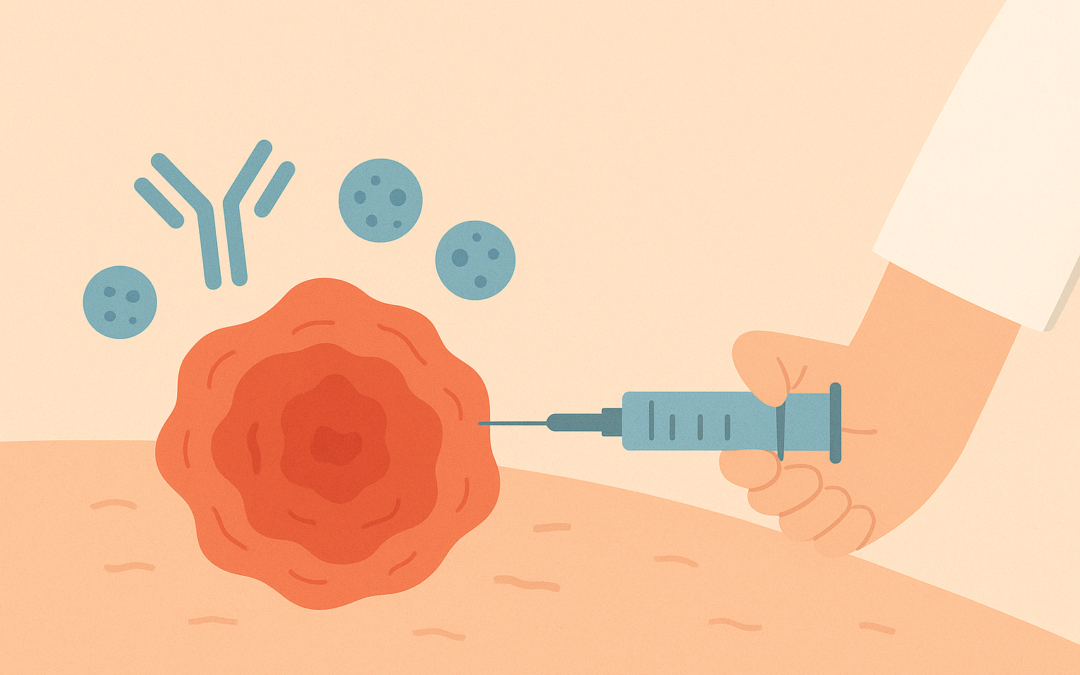
On October 8, 2025, Regeneron Pharmaceuticals announced that the U.S. Food and Drug Administration (FDA) approved Libtayo (cemiplimab-rwlc), a PD-1 inhibitor, as the first and only immunotherapy for adjuvant treatment of adult patients with cutaneous squamous cell carcinoma (CSCC) at high risk of recurrence following surgery and radiation. This approval, evaluated under Priority Review, is grounded in data from the pivotal Phase 3 C-POST trial, published in the New England Journal of Medicine and presented at ASCO 2025.