
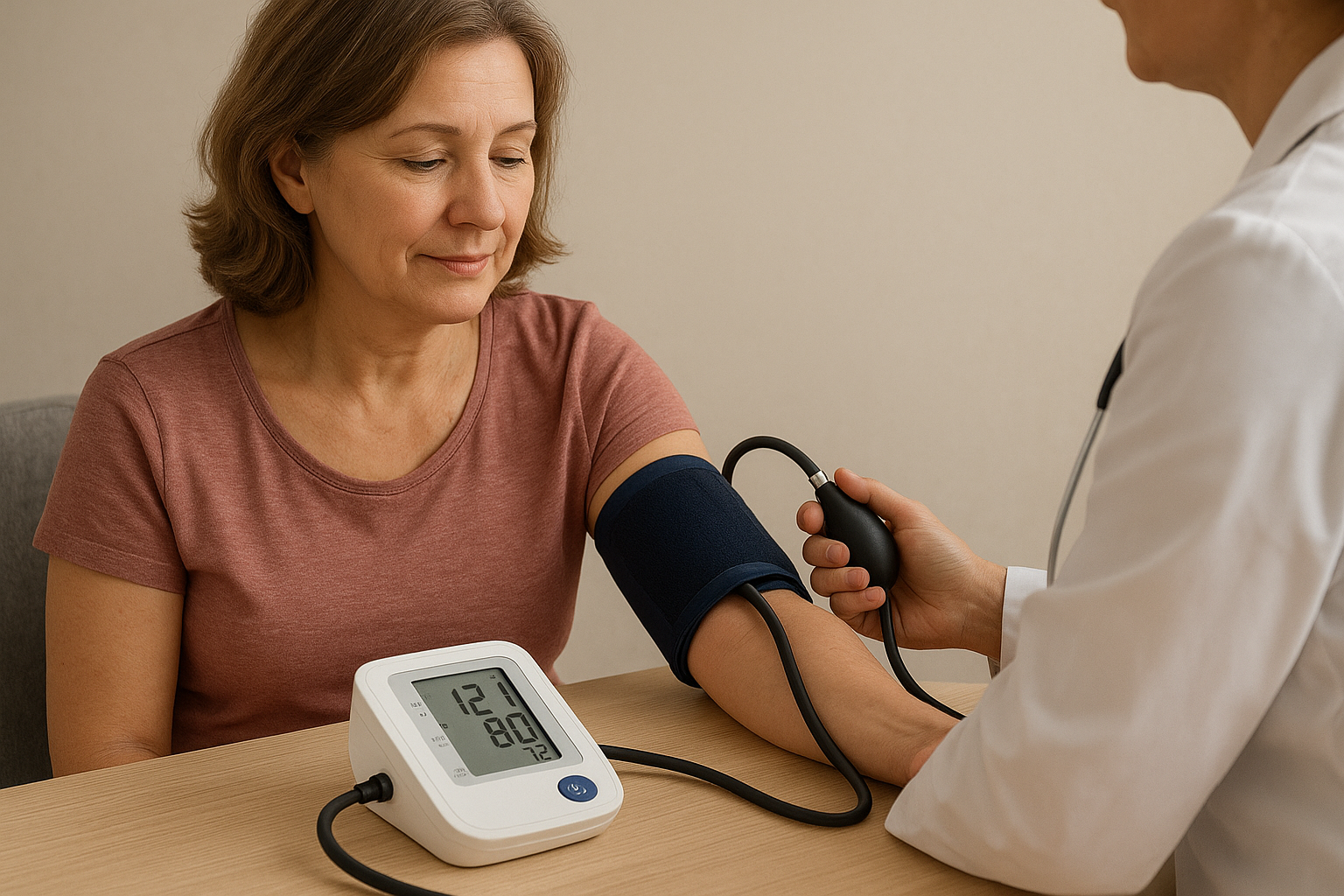
Hypertension remains a global health crisis, affecting over 1.4 billion people and serving as a leading risk factor for cardiovascular and renal diseases. Despite advances in antihypertensive therapies, approximately 50% of treated patients in the US fail to achieve blood pressure control with multiple agents, highlighting a critical unmet need in hard-to-control (uncontrolled or treatment-resistant) hypertension. Aldosterone, a hormone that promotes sodium and water retention, plays a pivotal role in this resistance, yet targeted interventions have been limited for over two decades.
AstraZeneca has submitted a New Drug Application (NDA) to the US Food and Drug Administration (FDA) for baxdrostat, a potential first-in-class, highly selective aldosterone synthase inhibitor (ASI). This oral small molecule specifically inhibits the CYP11B2 enzyme to reduce aldosterone production without impacting cortisol levels, offering a novel mechanism for blood pressure management. Acquired through the 2023 purchase of CinCor Pharma, baxdrostat is under investigation in over 20,000 patients worldwide, including monotherapy for hypertension and primary aldosteronism, as well as combinations with dapagliflozin for chronic kidney disease and heart failure prevention.
The NDA, accepted under FDA Priority Review with a Prescription Drug User Fee Act (PDUFA) target action date in Q2 2026, is primarily supported by the pivotal Phase III BaxHTN trial (NCT06034743). This randomized, double-blind, placebo-controlled study enrolled 796 adults with hard-to-control hypertension on stable standard-of-care regimens (two or more antihypertensives, including a diuretic). Patients were randomized 1:1:1 to baxdrostat 2 mg, 1 mg, or placebo once daily for 12 weeks.
The primary endpoint—mean change in seated systolic blood pressure (SBP) from baseline at week 12—showed robust efficacy. The 2 mg dose yielded a placebo-adjusted reduction of 9.8 mmHg (95% CI: -12.6 to -7.0; p<0.001), with an absolute change of -15.7 mmHg from baseline. The 1 mg dose achieved 8.7 mmHg placebo-adjusted reduction (95% CI: -11.5 to -5.8; p<0.001; absolute -14.5 mmHg). Results were consistent across uncontrolled and treatment-resistant subgroups. Secondary endpoints, including diastolic blood pressure reductions and the proportion achieving SBP <130 mmHg, further supported these findings. Efficacy persisted in a randomized withdrawal phase (weeks 24-32) for the 2 mg dose, with long-term safety assessed over 52 weeks.
Baxdrostat was generally well-tolerated, with a safety profile aligned to its mechanism and most adverse events mild; no unanticipated signals emerged. If approved, it could transform management of resistant hypertension, potentially reducing risks of heart attack, stroke, heart failure, and kidney disease.