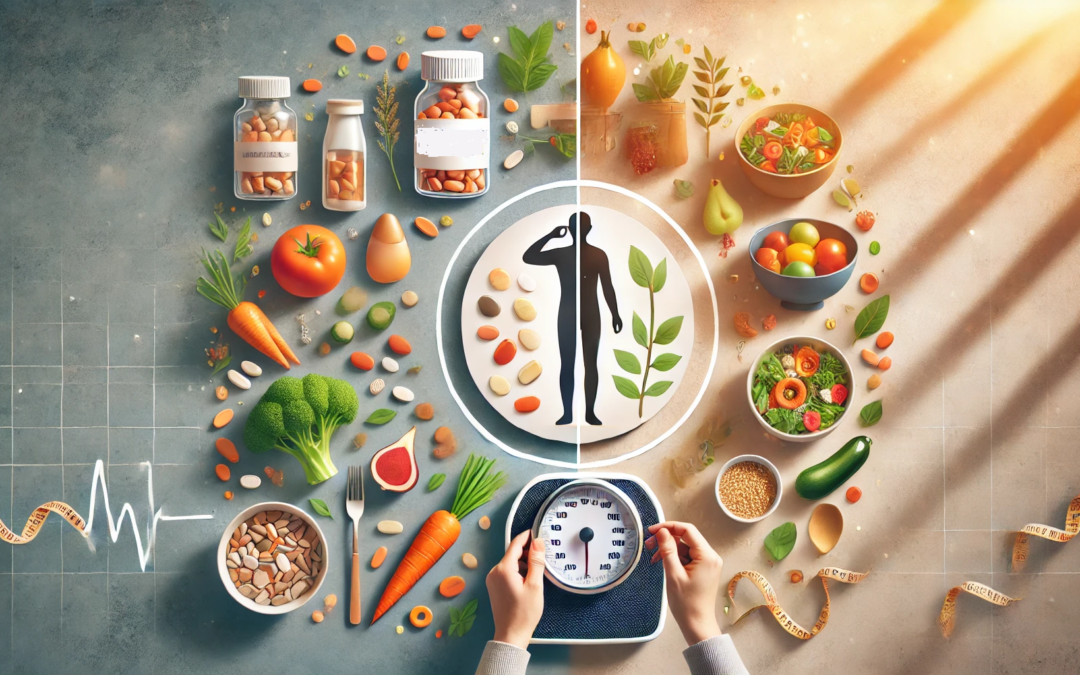
A recent study examined the effects of combining the diabetes medication dapagliflozin with a calorie-restricted diet on achieving remission of type 2 diabetes. Conducted at 16 centers in China, the randomized, double-blind, placebo-controlled trial involved 328 patients with type 2 diabetes, aged 20-70, who were either overweight or obese. Participants received either dapagliflozin (10 mg/day) or a placebo with a 500-750 kcal/day diet.

Inventiva, a clinical-stage biopharmaceutical company, has announced promising results from the LEGEND trial, which evaluated the combination of lanifibranor and empagliflozin for treating metabolic dysfunction-associated steatohepatitis (MASH) in patients with type-2 diabetes (T2D). These findings will be presented during an oral plenary session at the upcoming EASL Steatotic Liver Disease (SLD) Summit 2025 in Portugal.
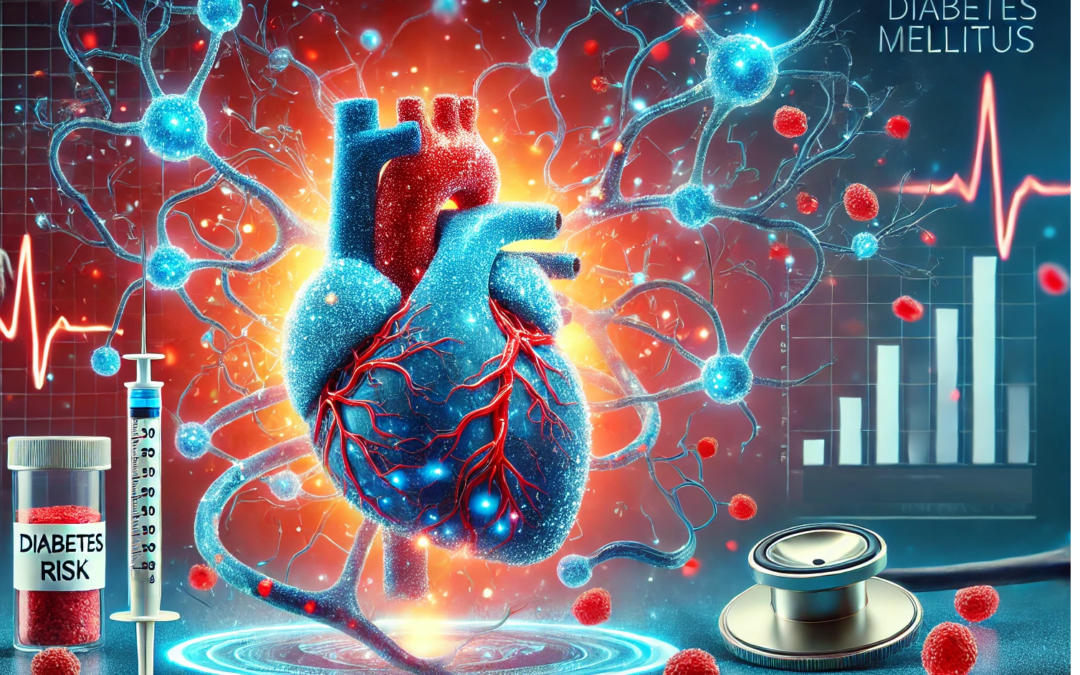
This study looked at how people who have had heart attacks understand their risk of getting diabetes. The researchers studied 466 heart attack patients in Augsburg, Germany, and found some concerning results.

Empagliflozin is a medication primarily used for diabetes treatment, but researchers have investigated its effects on uric acid levels in people with chronic kidney disease (CKD) through the EMPA-KIDNEY trial. This extensive study involved 6,609 patients with CKD, examining how empagliflozin affects uric acid levels, a naturally occurring substance that can cause gout when elevated. The trial was designed to compare patients taking empagliflozin against those taking a placebo over approximately two years. The researchers collected detailed data about kidney function, uric acid levels, and various other health markers throughout the study period.

Researchers conducted a study to understand if the diabetes medication empagliflozin affects eye problems (specifically diabetic retinopathy) in people with type 2 diabetes. Diabetic retinopathy is a condition where high blood sugar damages the blood vessels in the back of the eye, potentially leading to vision loss.