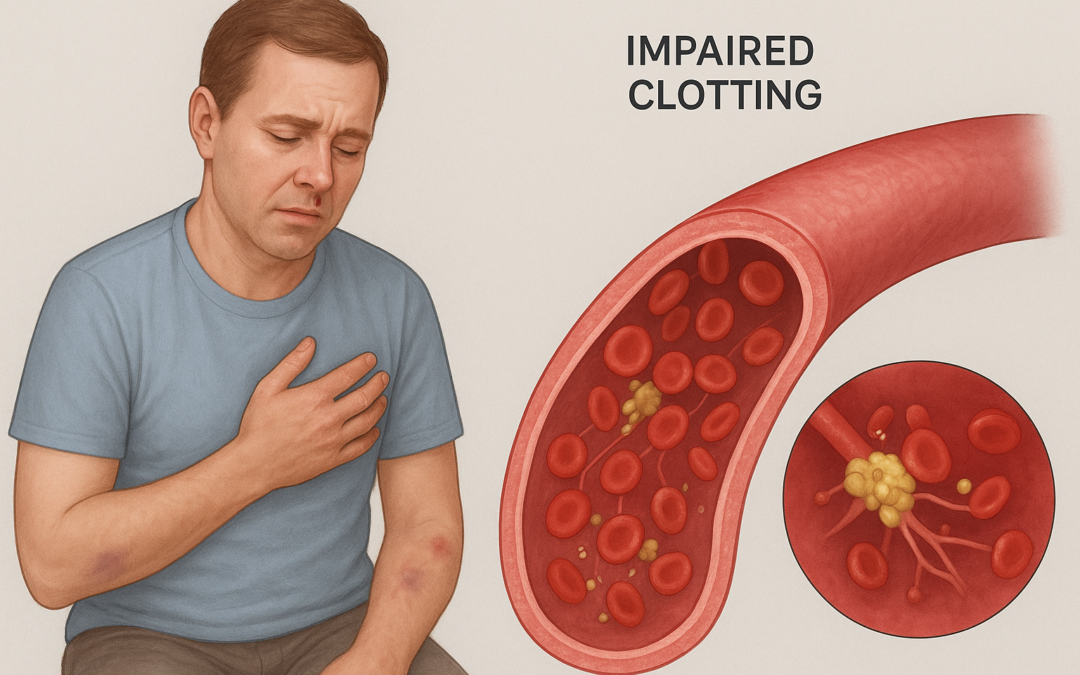
On September 5, 2025, Takeda announced that the U.S. Food and Drug Administration (FDA) approved the supplemental Biologics License Application (sBLA) for VONVENDI® [von Willebrand factor (Recombinant)], expanding its indications to include routine prophylaxis for reducing bleeding episode frequency in adults with von Willebrand Disease (VWD), including Type 1 and 2, and on-demand and perioperative bleeding management in pediatric patients.

Alzheimer’s disease (AD) is a progressive neurodegenerative disorder characterized by amyloid-beta (Aβ) accumulation, including toxic protofibrils, driving cognitive decline in patients with mild cognitive impairment (MCI) or mild dementia. Maintenance therapy is critical to sustain clinical benefits after initial treatment, yet accessible options are limited. Lecanemab, a monoclonal antibody targeting Aβ aggregates, has shown efficacy in slowing AD progression, but IV administration poses logistical challenges. The objective is to evaluate the efficacy, safety, and usability of LEQEMBI IQLIK (lecanemab-irmb), a subcutaneous autoinjector for weekly maintenance dosing in early AD, following 18 months of IV initiation therapy.

Heart failure with preserved ejection fraction (HFpEF) represents a significant clinical challenge, particularly among patients with obesity and type 2 diabetes, where cardiometabolic factors exacerbate disease progression. While glucagon-like peptide-1 (GLP-1) receptor agonists like semaglutide and dual GLP-1/glucose-dependent insulinotropic polypeptide (GIP) agonists like tirzepatide have demonstrated symptomatic improvements in preliminary trials, evidence on hard clinical endpoints such as hospitalization and mortality remains limited due to small event numbers. The objective of this study is to assess the real-world effectiveness and safety of semaglutide and tirzepatide in reducing heart failure hospitalization or all-cause mortality in patients with cardiometabolic HFpEF, including trial emulation and head-to-head comparisons.

Rosuvastatin, a potent statin for cardiovascular risk reduction, has raised concerns about QTc interval prolongation, a risk factor for torsades de pointes and sudden cardiac death. This study investigates the short-term effect of rosuvastatin on QTc interval compared to atorvastatin in patients with suspected coronary artery disease (CAD).

Coronary artery disease (CAD) remains a leading cause of morbidity and mortality globally, necessitating effective secondary prevention strategies. Clopidogrel and aspirin are widely used antiplatelet therapies, but their comparative efficacy and safety remain debated. This systematic review and individual patient data meta-analysis aimed to compare clopidogrel versus aspirin in preventing recurrent cardiovascular events in patients with established CAD.