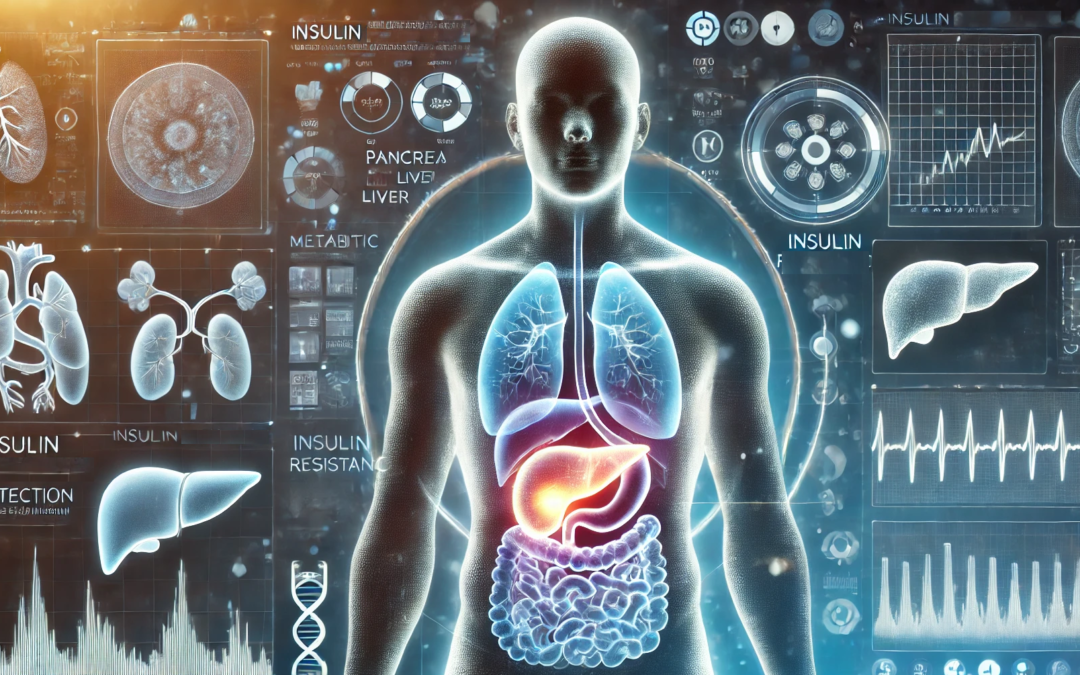
The study examines the best cutoff points of the Homeostasis Model Assessment of Insulin Resistance (HOMA-IR) to identify persons at risk of metabolic syndrome (MetS) among a Mexican adult population. Because there is current uncertainty over the thresholds, the study compares two approaches: percentile distribution and receiver operating characteristic (ROC) curve analysis.

The FDA implemented a significant change to make clozapine, the only prescription drug for treatment-resistant schizophrenia, more widely available. Patients once had to undergo frequent blood tests before they could have their prescriptions filled because of a potentially lethal but rare side effect, neutropenia, which decreases white blood cell levels and compromises the immune system. But after years of complaint from doctors, pharmacists, and families, the FDA eliminated this requirement.

Medtronic received FDA approval for its BrainSense Adaptive Deep Brain Stimulation (aDBS) system and the BrainSense Electrode Identifier (EI) to treat patients with Parkinson’s disease. This technology represents a major step forward in treatment by allowing the device to adapt stimulation automatically in real-time based on the neural activity of the patient.

The study introduces a novel method of acknowledging the important connection between a pregnant woman’s peri- and post-natal mental health and cardiac health. Doctors in the past have most frequently taken into account body functions like blood pressure and cholesterol when measuring a woman’s cardiovascular health.

The study introduces a novel method of acknowledging the important connection between a pregnant woman’s peri- and post-natal mental health and cardiac health. Doctors in the past have most frequently taken into account body functions like blood pressure and cholesterol when measuring a woman’s cardiovascular health.