Neurofibromatosis type 1 (NF1) is a genetic disorder affecting approximately 1 in 3,000 individuals, characterized by the development of benign tumors, including plexiform neurofibromas (PN)—complex, infiltrative growths that often cause significant morbidity such as pain, disfigurement, functional impairment, and reduced quality of life. In adults, symptomatic, inoperable PN represent a particularly challenging subset, as surgical resection is frequently infeasible due to tumor encasement of vital structures, invasiveness, or vascularity, leaving limited therapeutic options.
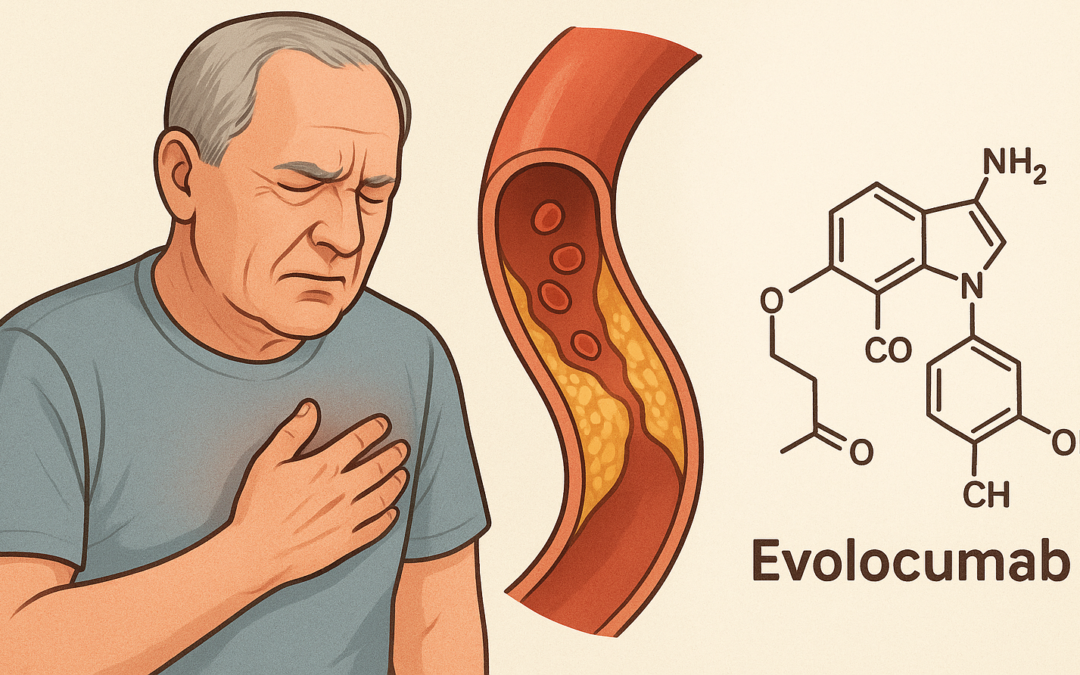
Although evolocumab, a PCSK9 inhibitor, reduces major adverse cardiovascular events (MACE) in patients with prior myocardial infarction (MI), stroke, or peripheral artery disease, its efficacy in preventing first cardiovascular events in patients without such history remained uncertain.

On November 4, 2025, Application Therapeutics Inc., a precision medicine company specializing in rare genetic disorders, announced the U.S. Food and Drug Administration (FDA) approval of KYGEVVI® (doxecitine and doxribtimine oral suspension), marking a paradigm shift in the treatment landscape for thymidine kinase 2 deficiency (TK2d). This ultra-rare mitochondrial disease, caused by biallelic mutations in the TK2 gene, impairs mitochondrial DNA synthesis, leading to severe skeletal muscle myopathy, respiratory insufficiency, and often early mortality. Affecting approximately 200-300 patients in the U.S., TK2d has historically lacked disease-modifying therapies, leaving families reliant on supportive care amid relentless progression.
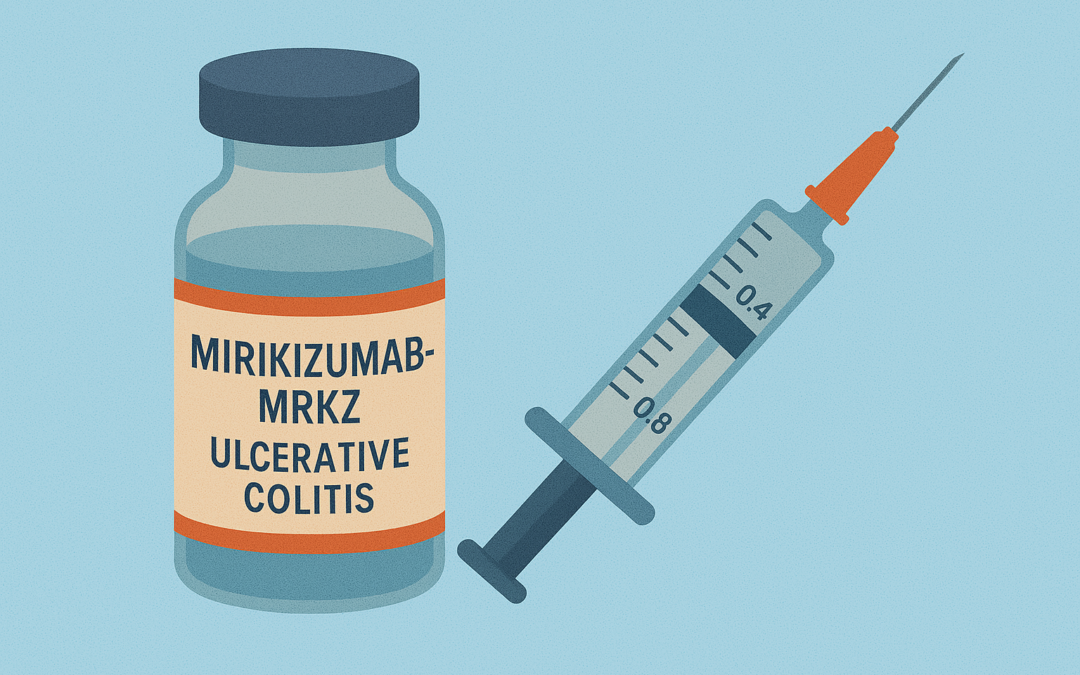
On October 28, 2025, Eli Lilly and Company announced U.S. FDA approval for OMVOH™ (mirikizumab-mrkz) as the first and only single 500 mg subcutaneous (SC) injection every 4 weeks for maintenance treatment in adults with moderately to severely active ulcerative colitis (UC) who achieved clinical response to OMVOH induction therapy. This update builds on the drug’s October 2023 approval for both induction (300 mg IV at Weeks 0, 4, 8) and maintenance (200 mg SC every 4 weeks), offering a more convenient, higher-dose option to sustain remission longer-term.

On October 27, 2025, the U.S. FDA approved an expanded indication for WINREVAIR™ (sotatercept-csrk), Merck’s first-in-class activin signaling inhibitor, for adults with pulmonary arterial hypertension (PAH, WHO Group 1). The update incorporates data from the Phase 3 ZENITH trial and now includes reduction in the risk of clinical worsening events—specifically all-cause death, lung transplantation, and PAH-related hospitalization of ≥24 hours—alongside previously established benefits in exercise capacity and WHO functional class (FC).