Mounjaro (tirzepatide), a GIP/GLP-1 dual receptor agonist, was evaluated for cardiovascular outcomes in patients with type 2 diabetes and established atherosclerotic cardiovascular disease in the SURPASS-CVOT trial (NCT04554433), the first head-to-head comparison of two incretin therapies. This phase 3, randomized, double-blind trial compared Mounjaro to Trulicity (dulaglutide), a GLP-1 receptor agonist with proven cardiovascular benefits in the REWIND study.

Low-dose aspirin is often used to prevent superimposed preeclampsia in women with chronic hypertension, but its effectiveness remains limited. Factors such as dosage, timing of therapy initiation, timing of ingestion, and adherence may contribute to this reduced efficacy, yet these aspects are underexplored and yield conflicting results. Understanding the interplay of these factors and the underlying pathogenesis is critical to optimizing aspirin therapy.

Sodium-glucose cotransporter-2 (SGLT2) inhibitors, such as dapagliflozin, have been studied in acute non-cardiovascular illnesses, but detailed data on their efficacy and safety in patients with and without type 2 diabetes (T2D) from double-blind randomized trials are limited. This secondary analysis of the Dapagliflozin in Respiratory Failure in Patients with COVID-19 (DARE-19) trial assessed the safety and efficacy of dapagliflozin in hospitalized COVID-19 patients with cardiometabolic risk factors, stratified by T2D status.
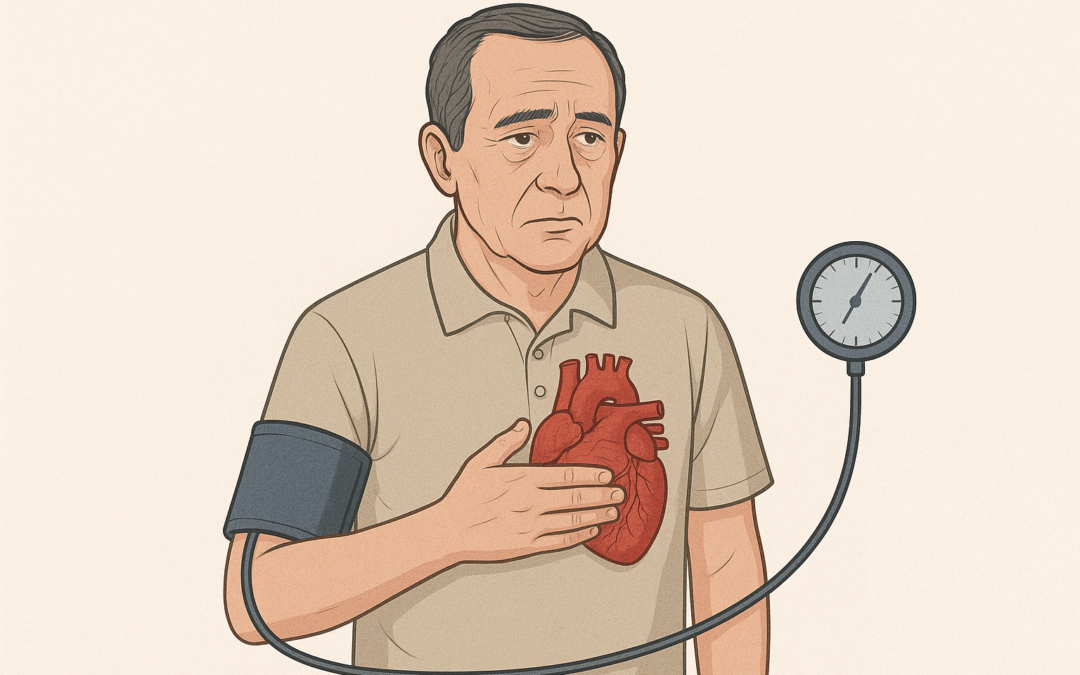
Diffuse interstitial fibrosis is a key contributor to adverse outcomes in hypertensive heart disease and may be reversible. Sacubitril/valsartan, a combined angiotensin receptor- neprilysin inhibitor, may offer superior anti-fibrotic effects compared to valsartan alone. The REVERSE-LVH phase 2 open-label trial (clinicaltrials.gov NCT: 03553810), funded by the National Medical Research Council of Singapore, investigated the myocardial benefits of sacubitril/valsartan in patients with essential hypertension and left ventricular hypertrophy (LVH).
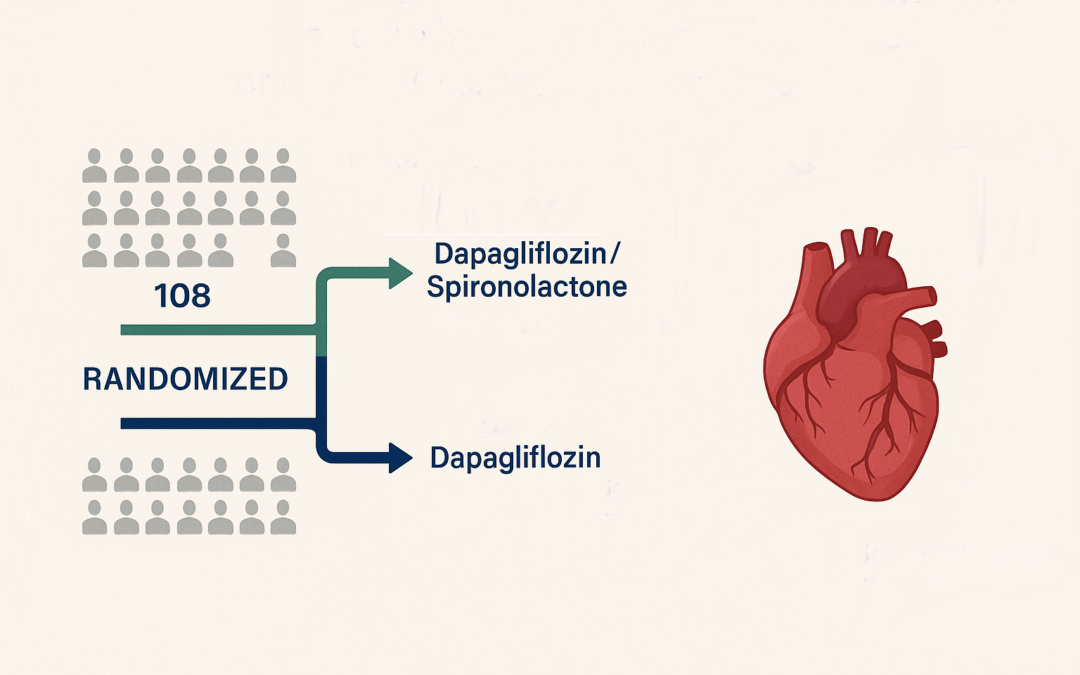
Sodium-glucose cotransporter 2 inhibitors (SGLT2i) and mineralocorticoid receptor antagonists have individually improved outcomes in heart failure with preserved ejection fraction (HFpEF) or mildly reduced ejection fraction (HFmrEF). However, the efficacy and safety of combining these agents remain untested in randomized trials, necessitating dedicated studies to evaluate potential synergistic benefits.