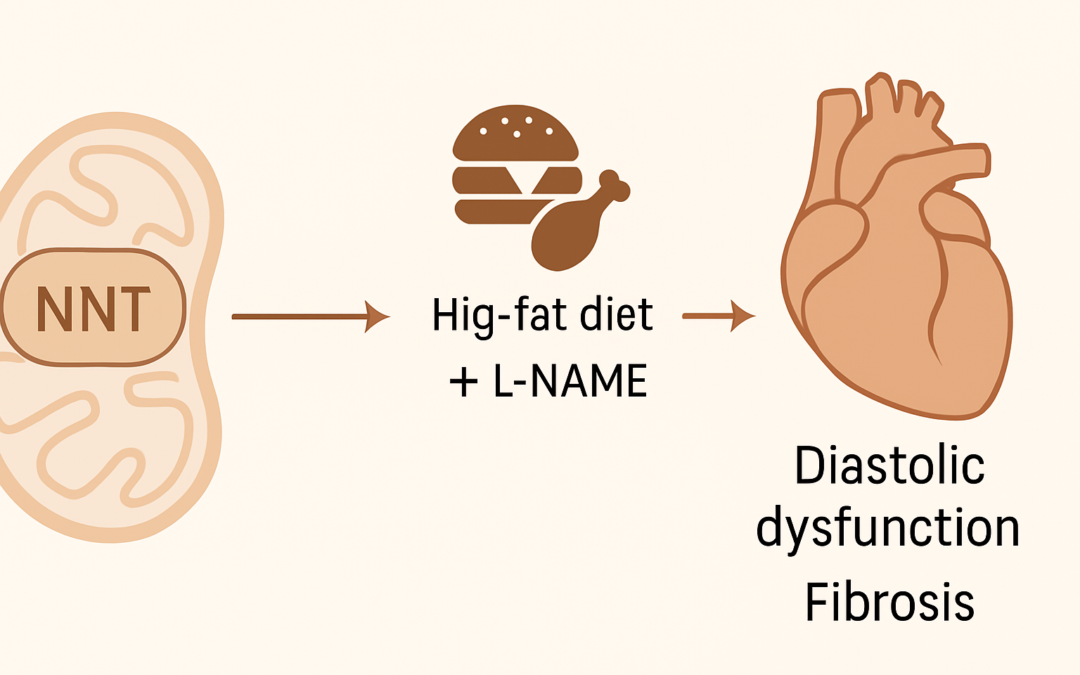
The study investigates the role of mitochondrial nicotinamide nucleotide transhydrogenase (NNT) in the development of heart failure with preserved ejection fraction (HFpEF), particularly in the context of cardiometabolic disease. HFpEF is a complex condition lacking effective therapies, and current preclinical models often rely on a “two-hit” approach—combining a high-fat diet with L-NAME (a nitric oxide synthase inhibitor)—to induce HFpEF-like features in mice.
The article explores the current understanding, challenges, and recommendations for the use of transcatheter therapies in treating mitral regurgitation (MR) and tricuspid regurgitation (TR) in patients with heart failure (HF). MR and TR are the most prevalent valvular heart diseases in heart failure patients, especially among those with reduced ejection fraction or advanced HF. Their independent prognostic importance is well established. In recent years, transcatheter interventions have emerged as potential treatment options.
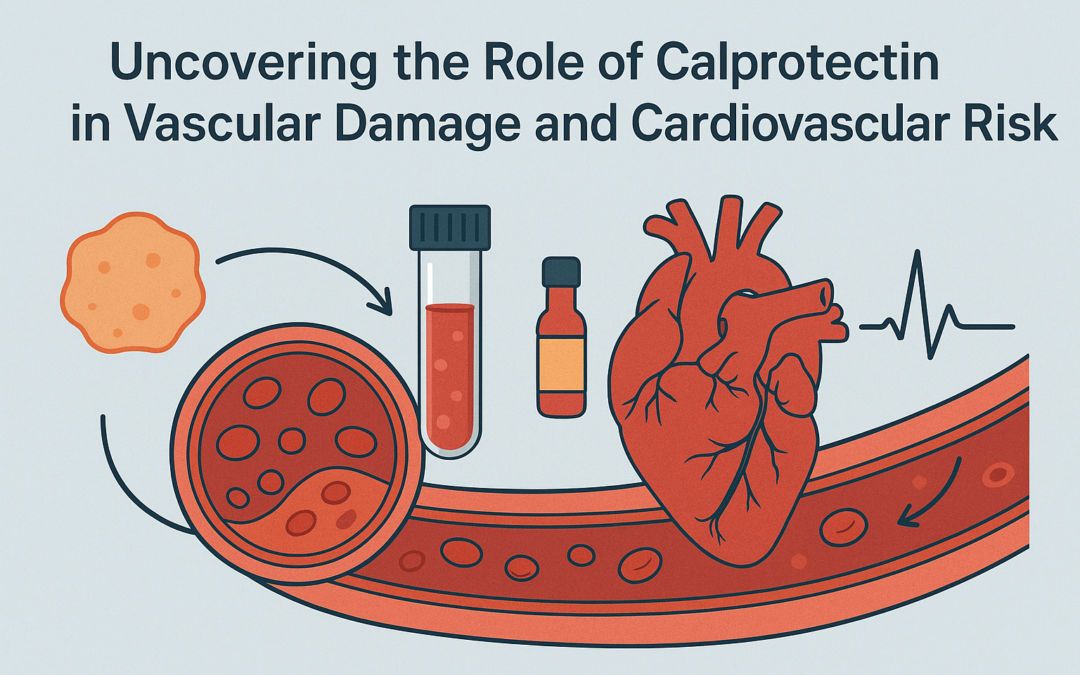
The study explored the link between calprotectin—a protein released during inflammation—and the risk of developing atherosclerotic cardiovascular disease (ASCVD), which includes conditions like heart attacks and strokes. Researchers followed over 2400 people from a racially diverse population in Dallas for eight years, measuring calprotectin levels in their blood and observing who later experienced heart-related events.

This research focuses on a serious condition during pregnancy called pre-eclampsia, which affects about 5% of pregnant women. It usually shows up after the 20th week and is marked by high blood pressure and protein in the urine. If not managed, it can lead to dangerous complications for both the mother and the baby, including seizures, liver and kidney issues, and even death.

Cardiac conditions such as heart failure, stroke, and artery disease are major killers across the globe. Lowering blood sugar levels has been the focus for many years for diabetic patients, but new diabetes medications known as GLP-1 receptor agonists (GLP1Ra) appear to benefit the heart as well. Researchers wanted to know how.