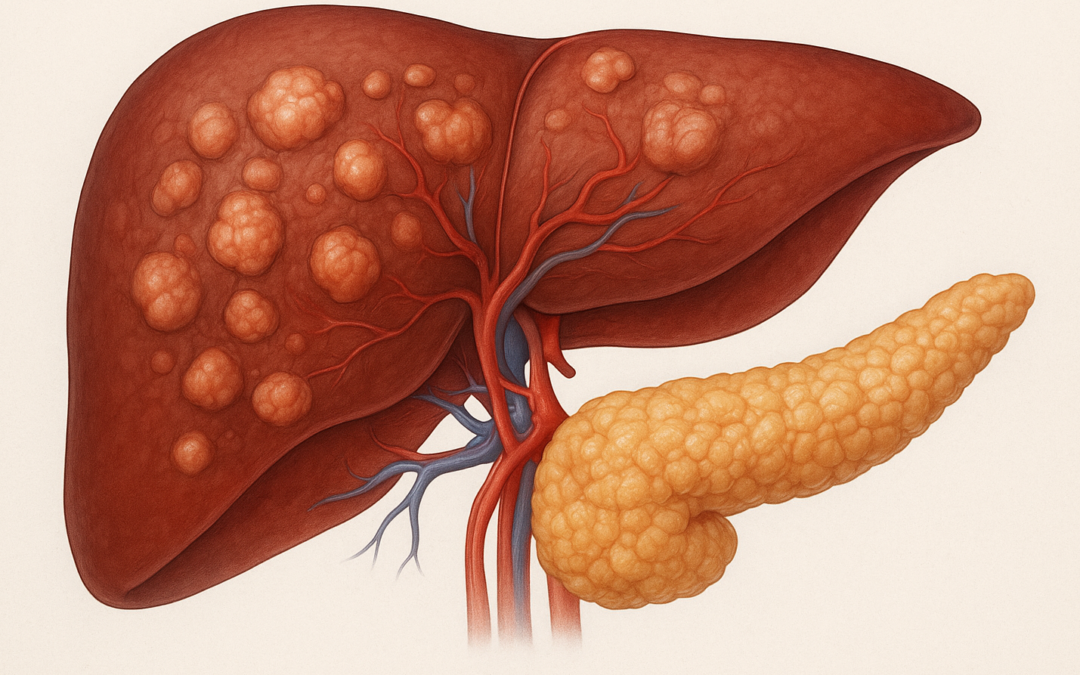
Type 2 diabetes (T2D) in Asian Indians is characterized by high ectopic fat deposition in liver and pancreas, elevated Fetuin-A (an insulin resistance mediator), and hepatic fibrosis risk. While SGLT2 inhibitors like Dapagliflozin (DAPA) reduce hepatic and pancreatic fat, Metformin’s effects on these parameters, especially Fetuin-A and fibrosis, remain underexplored in this population.

Obesity, defined by WHO as BMI ≥30 kg/m² in adults, has escalated into a global epidemic, impacting over 1 billion individuals and contributing to 3.7 million deaths in 2024 alone. Projections indicate a doubling of prevalence by 2030, fueling noncommunicable diseases such as cardiovascular conditions, type 2 diabetes, and certain cancers, while exacerbating infectious disease outcomes. Economic burdens are forecasted to reach US$3 trillion annually by 2030. Glucagon-like peptide-1 receptor agonists (GLP-1 RAs)—including liraglutide, semaglutide, and tirzepatide—have emerged as efficacious pharmacological options, promoting weight loss, glycemic control, and reductions in cardiovascular and renal risks, alongside lowered mortality in diabetes. In September 2025, WHO added select GLP-1 RAs to the Essential Medicines List for high-risk type 2 diabetes management. Responding to Member State requests, this inaugural WHO guideline on GLP-1 RAs for obesity treatment emphasizes their role within a comprehensive, person-centered framework incorporating diet, physical activity, and psychosocial support, aligning with the 2022 Acceleration Plan to Halt the Rise in Obesity.

Topiramate (TPM), a sulfamate-substituted monosaccharide, is a broad-spectrum anticonvulsant widely prescribed for epilepsy, migraine prophylaxis, and neuropathic pain. Its therapeutic efficacy stems from multifaceted interactions with ion channels, neurotransmitter receptors, and enzymes; however, the precise mechanisms governing its modulation of plasmalemmal ionic currents—particularly voltage-gated sodium currents (I_Na) and hyperpolarization-activated cation currents (I_h)—remain incompletely characterized. Prior studies have implicated TPM in sodium channel blockade, yet inconsistencies persist regarding concentration-dependent effects, gating kinetics, and interactions with other currents. This study employs patch-clamp techniques in GH₃ rat lactotrophs, an established model for excitable cells, to provide comprehensive evidence of TPM’s “dual block” on I_Na and I_h, elucidating potential contributions to its neuromodulatory profile.

Chronic spontaneous urticaria (CSU) affects approximately 270,000 adults and adolescents aged 12 and older in the European Union, manifesting as unpredictable outbreaks of debilitating hives and intense itch that disrupt daily life. For many, standard first-line treatments like H1 antihistamines provide insufficient relief, leaving patients in cycles of discomfort and frustration. In a landmark development, Sanofi and Regeneron Pharmaceuticals have secured European Commission approval for Dupixent (dupilumab), marking the first targeted biologic therapy for moderate-to-severe CSU in over a decade.

Tirzepatide, a dual GLP-1/GIP receptor agonist, induces substantial weight loss and cardiometabolic improvements in adults with obesity. However, the SURMOUNT-4 trial demonstrated that most participants regain weight upon discontinuation, raising questions about the durability of associated health benefits. The objective is to evaluate changes in cardiometabolic parameters stratified by the extent of weight regain following tirzepatide withdrawal in the SURMOUNT-4 trial.