
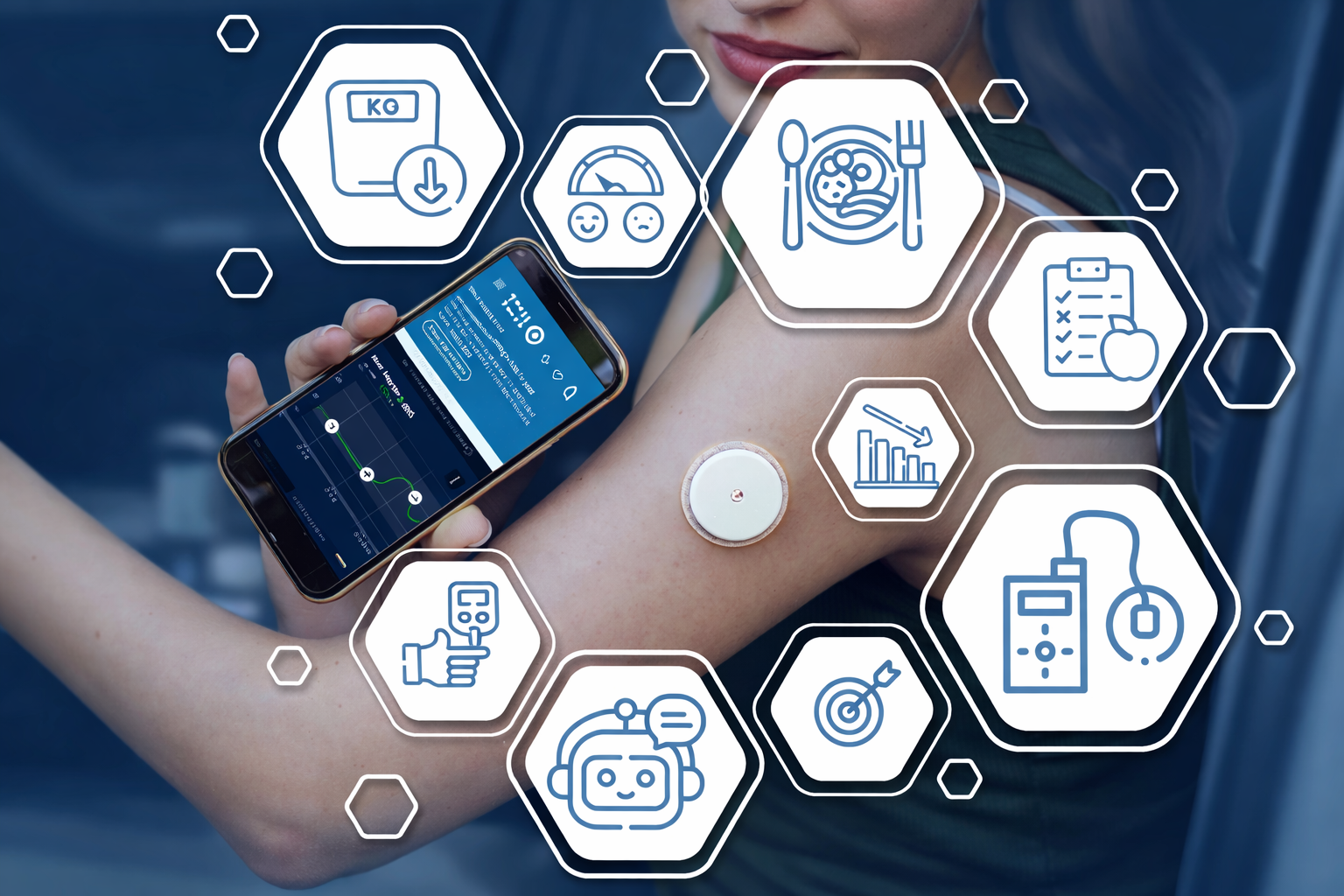
Diabetes mellitus is a chronic metabolic disorder with high global prevalence and considerable risk of long-term complications if glucose levels remain uncontrolled. Mobile health (mHealth) interventions—leveraging smartphones, SMS messaging, and telehealth technologies—offer scalable tools for diabetes self-management, patient engagement, and clinical monitoring. This systematic review and meta-analysis aimed to comprehensively evaluate both the clinical efficacy and cost-effectiveness of mHealth interventions in diabetes care.
A systematic literature search was conducted across major databases including PubMed, ScienceDirect, and Google Scholar for studies assessing the impact of mHealth technologies on diabetes outcomes. Eligible studies included randomized controlled trials reporting clinical outcomes (e.g., HbA1c, BMI, blood pressure) and economic evaluations capturing costs or cost-effectiveness data. Meta-analysis was performed using RevMan software, and economic assessments were appraised using standard checklists.
Ten studies met inclusion criteria, with nine reporting clinical outcome data and five reporting cost-effectiveness results. The pooled analysis demonstrated that mHealth interventions significantly reduced glycated hemoglobin (HbA1c) compared with usual care (mean difference: −0.31%; 95% CI: −0.52 to −0.10; p = 0.004), indicating improved glycemic control. Notably, the effect size was larger at 3 months (−0.61%), but attenuated by 6 months, suggesting challenges in maintaining sustained long-term benefits. Changes in BMI and blood pressure were minimal or clinically negligible, indicating heterogeneous impacts across secondary clinical endpoints.
Economic analyses consistently reported that mHealth strategies yielded substantial cost savings per patient annually (ranging approximately $449 to $881), primarily by reducing hospitalizations and outpatient visits. Some studies also demonstrated favorable cost per disability-adjusted life year (DALY) averted, supporting economic viability of mHealth in diabetes management. However, quality-adjusted life year (QALY) gains were modest.
mHealth interventions show significant short-term clinical benefits in glycemic control and appear cost-effective, with potential to reduce healthcare utilization. These findings support integrating mobile health tools into diabetes care strategies. Yet, sustaining long-term clinical efficacy remains a key challenge, warranting further research to optimize intervention design and long-term patient engagement.