
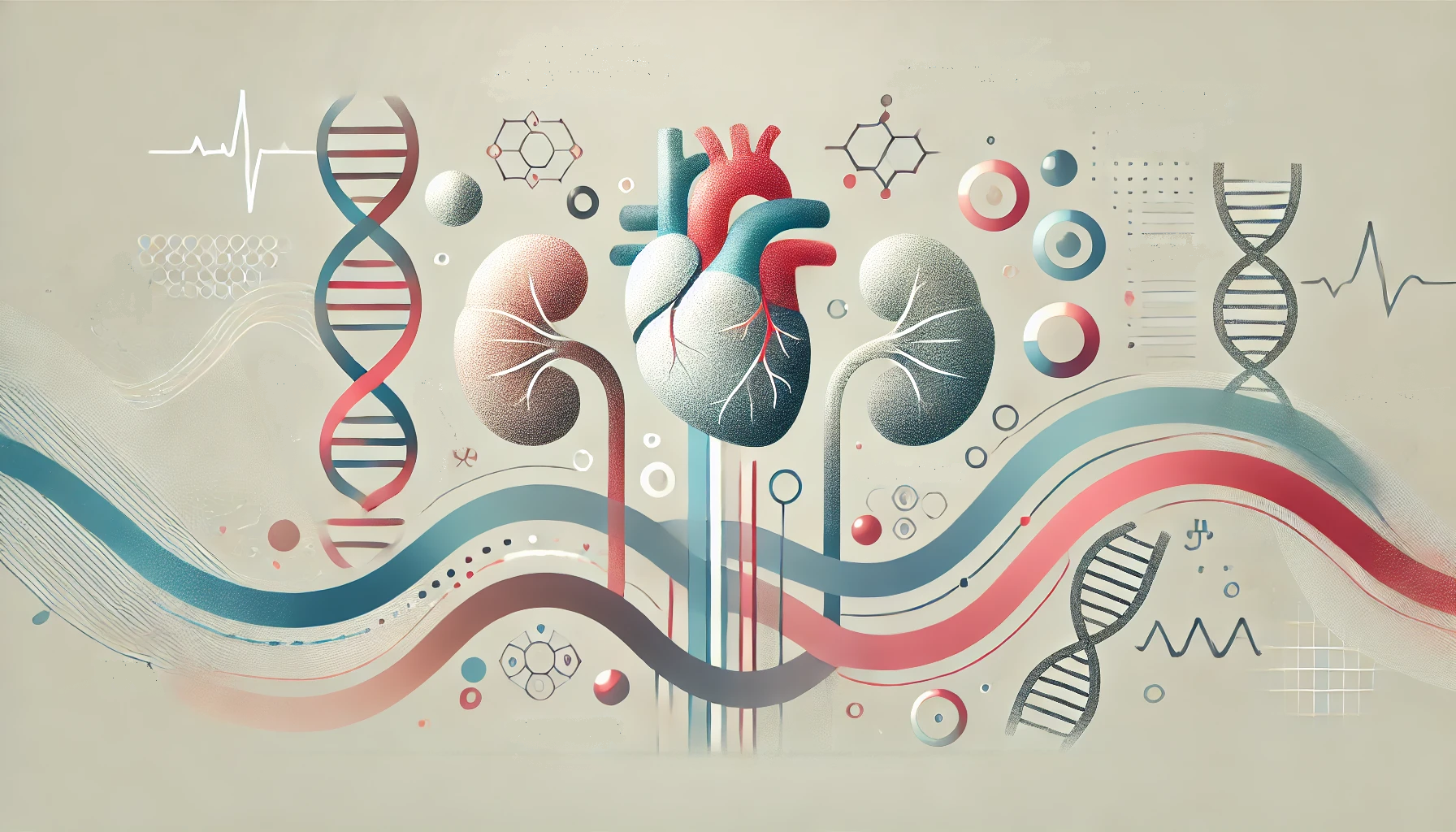
The study emphasizes the need to adopt an integrated approach to cardiovascular, kidney, and metabolic (CKM) health, which are deeply interconnected and contribute significantly to morbidity and mortality in the U.S. population.
The advisory outlines that cardiovascular diseases (CVD), chronic kidney disease (CKD), type 2 diabetes (T2D), and obesity often share common risk factors such as hypertension, insulin resistance, dyslipidemia, and inflammation. These conditions are also influenced by social determinants of health, including economic disparities, access to care, education, and environmental factors. The American Heart Association (AHA) proposes that CKM health should be addressed as a continuum, rather than in isolated silos, to improve prevention, diagnosis, and management.
A new CKM classification framework is introduced, dividing health into four stages—from ideal health (Stage 0) to established disease with end-organ damage (Stage 3). This model emphasizes early identification and intervention, especially in populations at high risk, to prevent progression. It also underlines the importance of coordinated, team-based care across primary care, cardiology, nephrology, endocrinology, and community health sectors.
Furthermore, the document calls for equity-focused strategies, suggesting that interventions should be tailored to address the needs of underserved populations. Health systems should incorporate CKM metrics into routine care, support behavior change through patient-centered counseling, and utilize digital tools for better monitoring and education.
The advisory concludes with a strong call for policy changes, research investments, and inter-organizational collaboration to create a national framework that aligns health systems, payers, and public health agencies. The goal is to achieve better health outcomes through a unified approach to CKM health.
Overall, the document encourages moving beyond traditional disease-specific strategies to a more comprehensive, patient-centered model that addresses the root causes and overlapping risk profiles of cardiovascular, kidney, and metabolic conditions. This shift aims to improve life expectancy, quality of life, and reduce the societal burden of chronic diseases.
Source: https://diabetesjournals.org/care/article/48/5/711/157868/Association-of-Historical-Redlining-With