
This case report describes a rare and extremely malignant tumor named Primary Cardiac Lymphoma (PCL), which occurs in the heart. Because of the rarity of cardiac cancer, its diagnosis generally presents major challenges. The report describes the case of a 67-year-old male patient who initially came in for medical assessment after experiencing recurrent attacks of syncope.
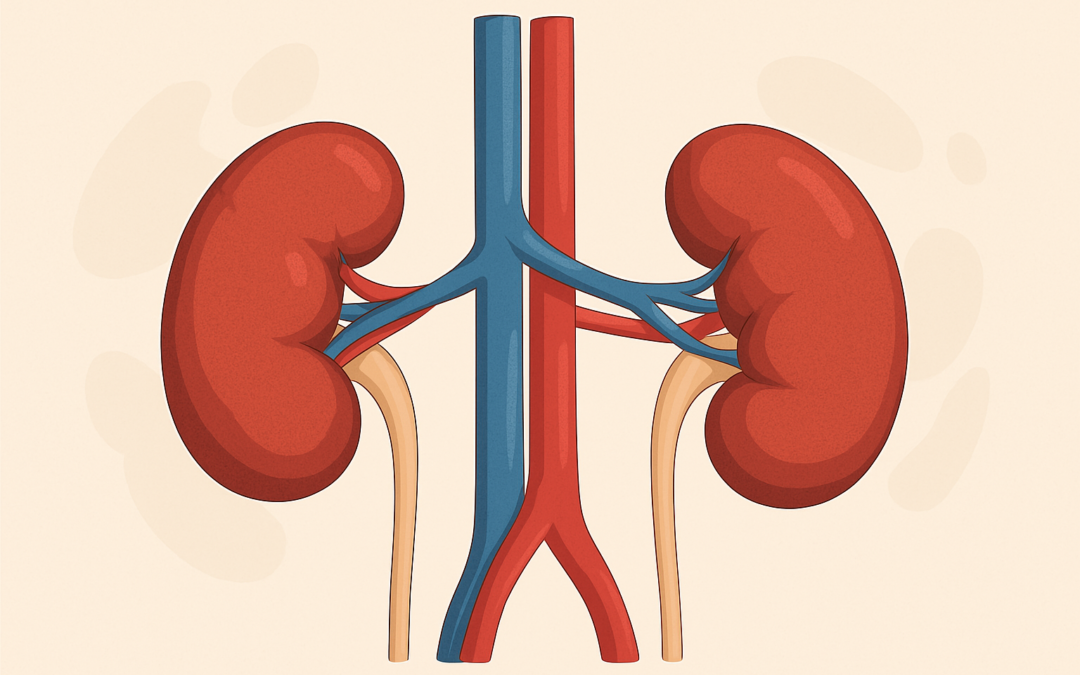
Fendo is a pain-relieving medicine that contains Diclofenac Sodium, a widely used ingredient for reducing pain and inflammation. It works by blocking certain chemicals in the body responsible for swelling and discomfort, making it particularly useful for conditions such as arthritis, muscle pain, back pain, and post-surgical recovery.

The research investigated the association of the Neutrophil Percentage-to-Albumin Ratio (NPAR) with mortality risk in diabetes or prediabetes patients. NPAR is a metric that reflects both inflammation, as presented in neutrophils, and nutrition, as presented in albumin. The researchers had 6,080 American adults with diabetes or prediabetes data, obtained between 2001 and 2018, via the National Health and Nutrition Examination Survey (NHANES). The population was followed up for a total of 53,217 person-years over which 1,378 deaths occurred, 476 from cardiovascular disease.

The research investigated the association of the Neutrophil Percentage-to-Albumin Ratio (NPAR) with mortality risk in diabetes or prediabetes patients. NPAR is a metric that reflects both inflammation, as presented in neutrophils, and nutrition, as presented in albumin. The researchers had 6,080 American adults with diabetes or prediabetes data, obtained between 2001 and 2018, via the National Health and Nutrition Examination Survey (NHANES). The population was followed up for a total of 53,217 person-years over which 1,378 deaths occurred, 476 from cardiovascular disease.

This case report describes a rare and extremely malignant tumor named Primary Cardiac Lymphoma (PCL), which occurs in the heart. Because of the rarity of cardiac cancer, its diagnosis generally presents major challenges. The report describes the case of a 67-year-old male patient who initially came in for medical assessment after experiencing recurrent attacks of syncope.