This study from the CORDIOPREV trial explored how small genetic molecules known as microRNAs (miRNAs) could assist doctors in selecting the most suitable diet for patients with both heart disease and Type 2 diabetes, potentially aiding in the reversal of their diabetes.

A 67-year-old hypertensive diabetic with hyperlipidemia who presented with chest pain, progressive exertional dyspnea, orthopnea, and swelling in both the lower extremities. Initial investigation such as an electrocardiogram and cardiac catheterization excluded acute ischemia but documented nonobstructive coronary disease. Transthoracic echocardiography demonstrated left ventricular hypertrophy, severe systolic dysfunction, and increased filling pressures, suspicious for cardiac amyloidosis.
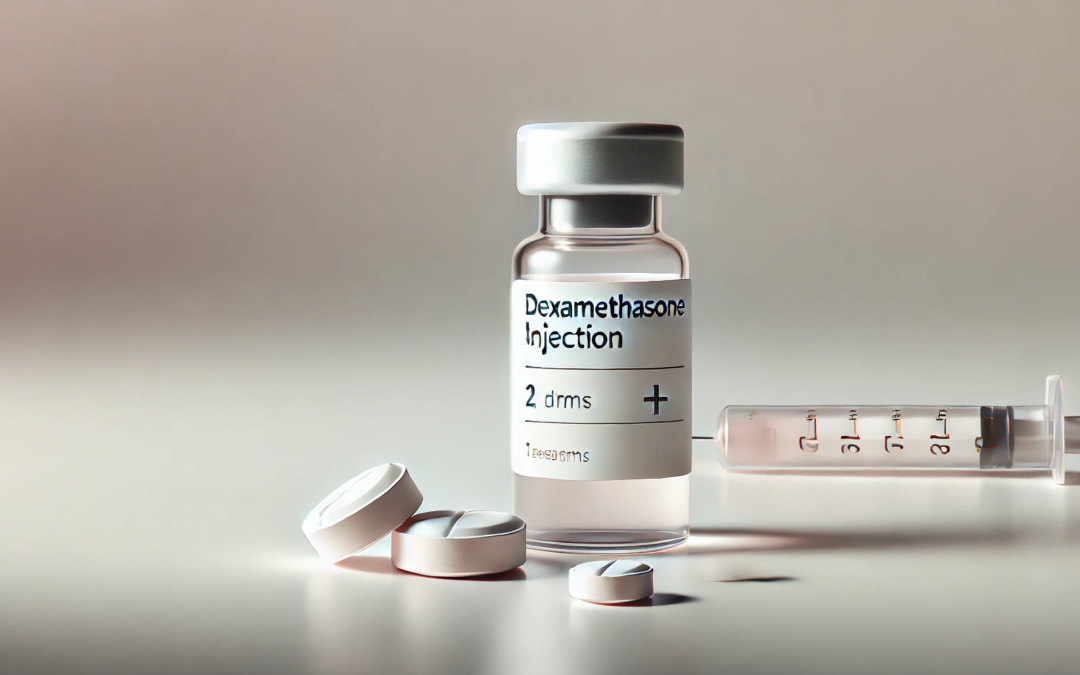
This research investigated whether intravenous dexamethasone added to an interscalene block (a standard method of pain control for shoulder surgery) would be better than the block alone for controlling pain after rotator cuff repair surgery. Rotator cuff surgery is likely to produce intense postoperative pain, and good methods of alleviating this pain are needed. Interscalene blocks are good for the relief of pain for a limited time, but they have rebound pain, and their action is not prolonged and needs to be supplemented.

The study explores the action of amlodipine, a drug used commonly to treat hypertension, on lung cancer cells. Lung cancer is one of the leading causes of cancer-related deaths globally, and the currently available treatment strategies like chemotherapy are associated with critical side effects and diminish efficacy over time due to the emergence of chemoresistance.
The study aims to explore how type 2 diabetes mellitus (T2DM) affects platelet function, specifically focusing on the immature platelet fraction (IPF) and other platelet indices. The research was conducted at Guru Teg Bahadur Hospital in New Delhi, India, and involved 230 participants, equally divided between T2DM patients and healthy controls.