
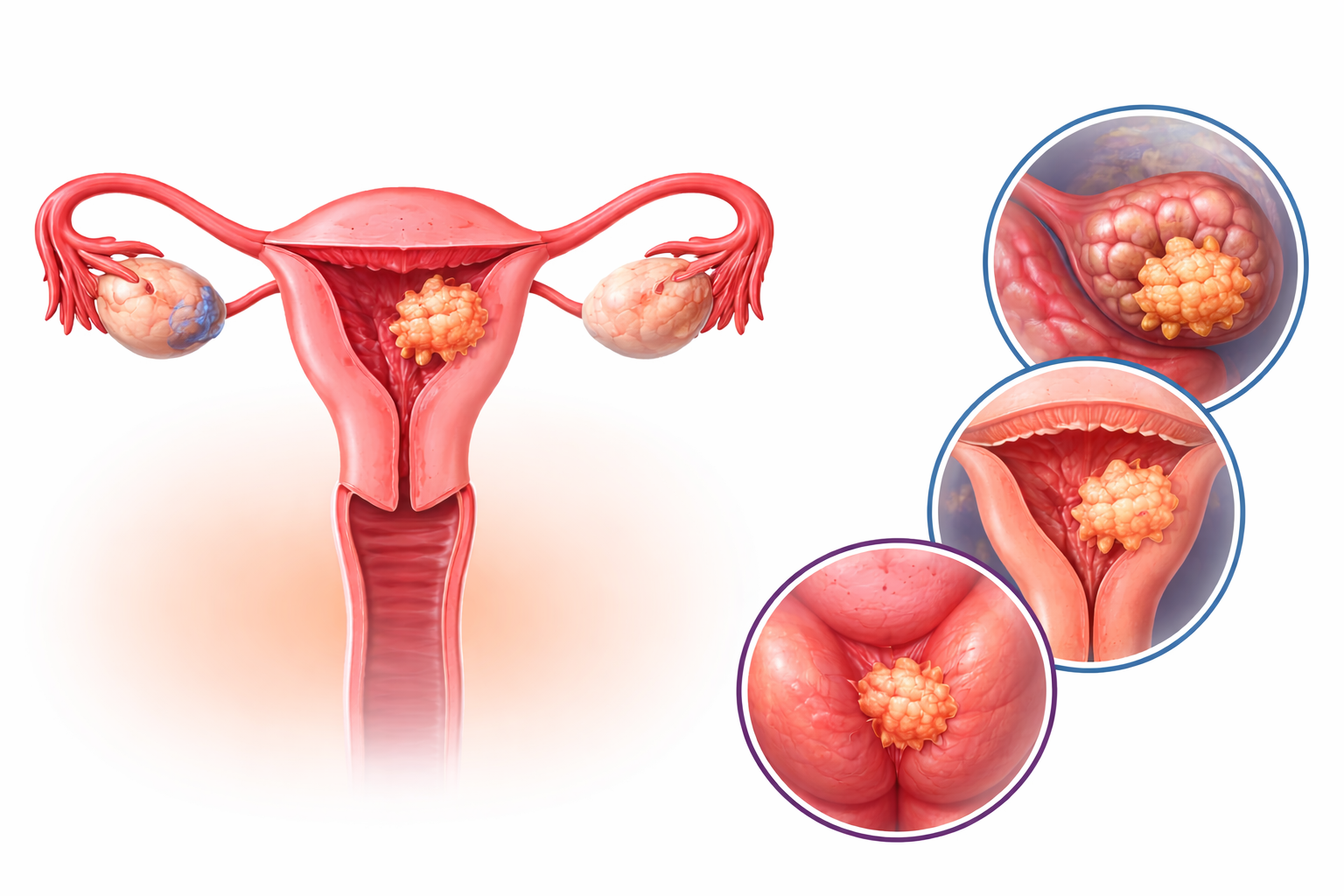
GSK has reported promising clinical data for its investigational B7-H4-targeted antibody–drug conjugate (ADC), mocertatug rezetecan (also known as GSK5733584), in patients with gynaecological cancers, including ovarian and endometrial malignancies. These cancers often present at advanced stages and are associated with poor prognosis, particularly in patients who develop resistance to standard therapies such as platinum-based chemotherapy. The emergence of targeted therapies like ADCs represents a significant advancement in addressing these unmet clinical needs.
The B7-H4 protein is an immune checkpoint molecule that is highly expressed on tumour cells across several cancer types, including ovarian and endometrial cancers, while exhibiting limited expression in normal tissues. This differential expression makes it an attractive therapeutic target. Mocertatug rezetecan is designed to selectively bind to B7-H4-expressing tumour cells and deliver a cytotoxic payload directly to the cancer, thereby maximizing antitumor activity while minimizing systemic toxicity.
Clinical data presented by GSK demonstrate encouraging efficacy outcomes in heavily pretreated patient populations. In early-phase trials, the ADC showed substantial tumour shrinkage, with response rates reported at approximately 62% in platinum-resistant ovarian cancer and 67% in endometrial cancer, indicating meaningful clinical activity in populations with limited treatment options.
Additional findings from phase 1 and phase 2 studies further support these results, showing durable responses and manageable safety profiles, both as monotherapy and in combination with other agents such as bevacizumab. These data highlight the potential of the B7-H4 ADC to deliver sustained clinical benefit in patients with recurrent or refractory disease. GSK is advancing this asset through an extensive clinical development program, including global trials such as the BEHOLD study series, aimed at evaluating its efficacy across multiple treatment settings and combinations.
Overall, the positive data reinforce the therapeutic promise of B7-H4-targeted ADCs as a precision oncology strategy. If validated in later-stage trials, mocertatug rezetecan could significantly reshape the treatment landscape for gynaecological cancers, offering a novel, targeted option for patients with limited alternatives and improving clinical outcomes in this challenging disease area.