
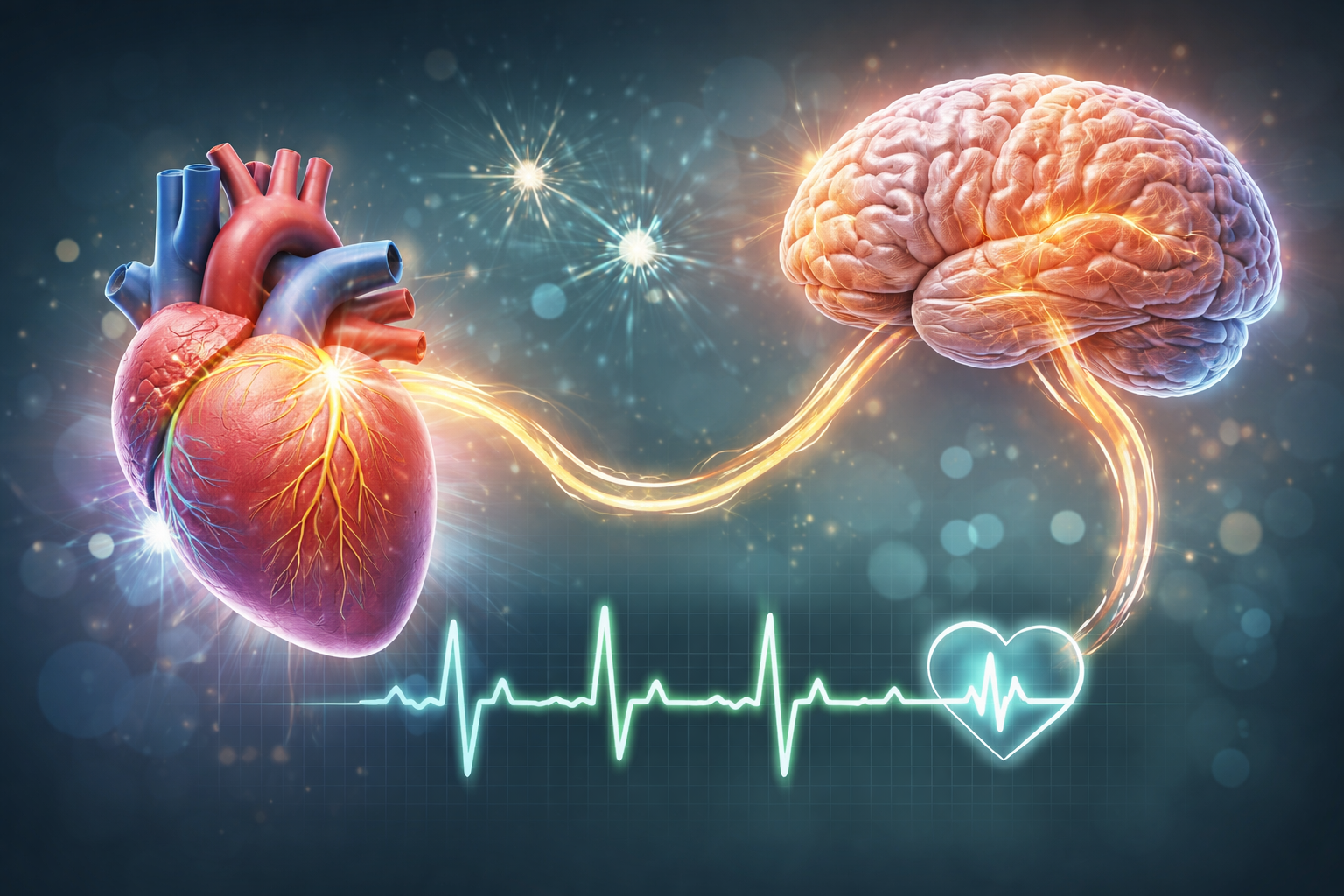
The interplay between the central nervous system and cardiovascular regulation is exemplified in the physiological response to elevated intracranial pressure (ICP). While the classic teaching emphasizes Cushing’s triad—hypertension, bradycardia, and irregular respiration—emerging clinical observations suggest that incomplete or atypical presentations may occur, potentially delaying diagnosis. This report describes a case in which acute intracranial pressure elevation manifested solely as isolated bradycardia, underscoring the importance of recognizing subtle neurocardiac interactions.
Elevated ICP compromises cerebral perfusion by increasing resistance to cerebral blood flow. In response, the body activates compensatory autonomic mechanisms aimed at preserving cerebral perfusion pressure. Sympathetic activation initially leads to systemic vasoconstriction and increased arterial pressure. Subsequently, baroreceptor-mediated parasympathetic activation—primarily via the vagus nerve—results in bradycardia. This reflex pathway is part of the broader physiological response known as the Cushing reflex, although not all components may be present simultaneously.
In this case, the patient presented with unexplained bradycardia in the absence of primary cardiac pathology or medication-induced causes. Further evaluation revealed acute intracranial pathology with elevated ICP. Notably, the absence of hypertension or respiratory irregularity initially obscured the neurological origin of the presentation. This highlights that isolated bradycardia may represent an early or partial manifestation of intracranial hypertension before the full development of Cushing’s triad.
The case emphasizes the need for clinicians to maintain a high index of suspicion for neurological causes when encountering unexplained bradycardia, especially in the context of altered mental status, head trauma, or focal neurological deficits. Prompt neuroimaging and intervention are essential to prevent progression to life-threatening complications such as brain herniation. In conclusion, this report expands the clinical understanding of the heart–brain connection by illustrating that isolated bradycardia can be a sentinel sign of increased ICP. Recognizing this atypical presentation can facilitate earlier diagnosis and management, ultimately improving patient outcomes in acute neurological emergencies.