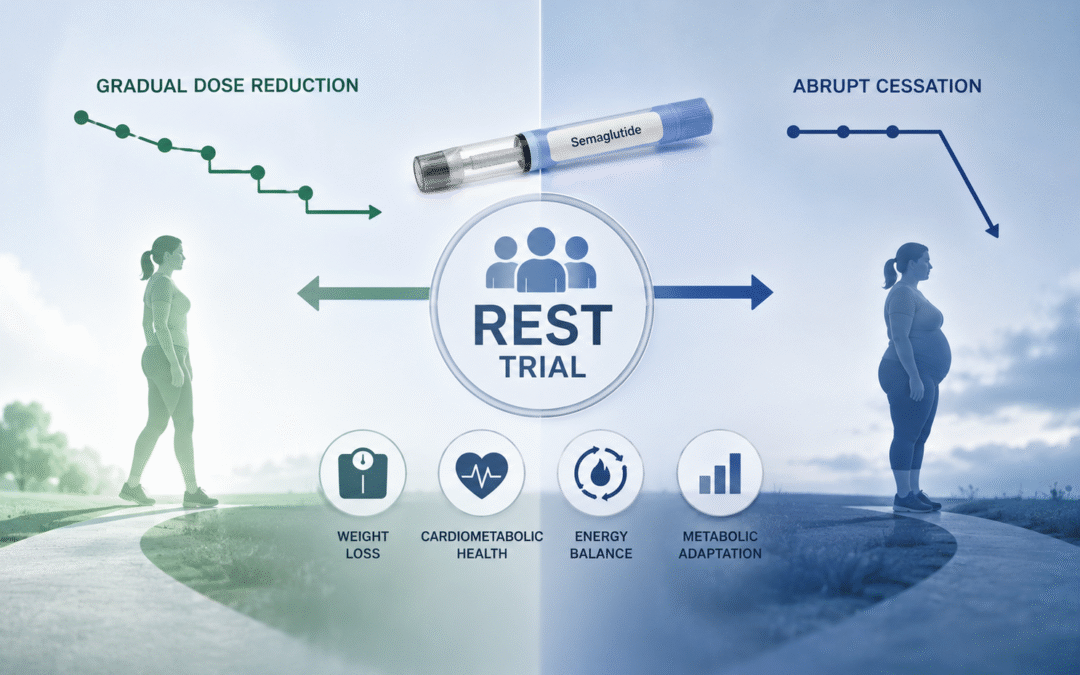
The Recovery Effects After Semaglutide Termination (REST) trial is a prospective, randomized, open-label clinical study designed to investigate the physiological and cardiometabolic consequences of discontinuing semaglutide therapy in individuals with obesity. Although semaglutide has demonstrated substantial and sustained weight reduction together with improvements in cardiometabolic risk factors, there is limited evidence regarding the optimal strategy for treatment discontinuation. Previous studies have shown that stopping semaglutide is frequently associated with weight regain and reversal of metabolic benefits, highlighting obesity as a chronic disease that may require long-term pharmacological management.
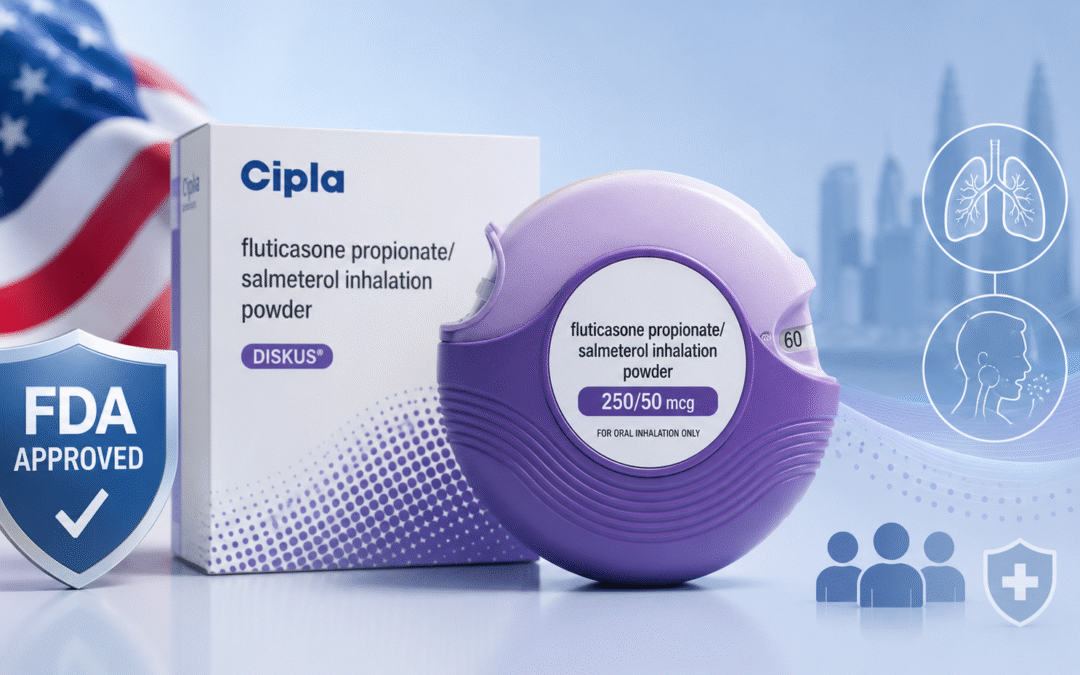
Cipla has achieved a significant milestone with the U.S. Food and Drug Administration (USFDA) granting approval for its Abbreviated New Drug Application (ANDA) for the generic version of Advair Diskus® (fluticasone propionate and salmeterol inhalation powder). The approval covers all three strengths—100/50 mcg, 250/50 mcg, and 500/50 mcg—and allows Cipla to market a therapeutically equivalent alternative to one of the most widely prescribed inhaled combination therapies for asthma and chronic obstructive pulmonary disease (COPD).

Concerns regarding the long-term carcinogenic potential of renin–angiotensin system (RAS) inhibitors have generated considerable debate over the past decade. To better clarify this association, a comparative analysis published in PLOS ONE evaluated the relationship between angiotensin-converting enzyme inhibitors (ACEIs) and angiotensin receptor blockers (ARBs) and the risk of developing cancer. Using a large real-world population dataset, the investigators compared cancer incidence among patients receiving ACEIs or ARBs while adjusting for relevant demographic and clinical confounding factors.

The US Food and Drug Administration (FDA) has approved GSK’s JIDEYTRO® (zidesamtinib) for the treatment of adults with locally advanced or metastatic ROS1-positive non-small cell lung cancer (NSCLC) whose disease has progressed following prior ROS1 tyrosine kinase inhibitor (TKI) therapy or platinum-based chemotherapy. The approval introduces a next-generation, highly selective ROS1 inhibitor designed to overcome resistance mechanisms associated with earlier-generation ROS1-targeted therapies while maintaining robust central nervous system (CNS) penetration.

Pfizer has announced that the US Food and Drug Administration (FDA) has accepted for Priority Review its supplemental New Drug Application (sNDA) for TALZENNA® (talazoparib), a poly (ADP-ribose) polymerase (PARP) inhibitor, in combination with XTANDI® (enzalutamide) for the treatment of adults with metastatic castration-sensitive prostate cancer (mCSPC) harboring homologous recombination repair (HRR) gene alterations. Priority Review designation shortens the FDA review timeline for therapies that may provide significant improvements in the treatment of serious diseases, underscoring the potential clinical importance of this combination in an area of unmet need.