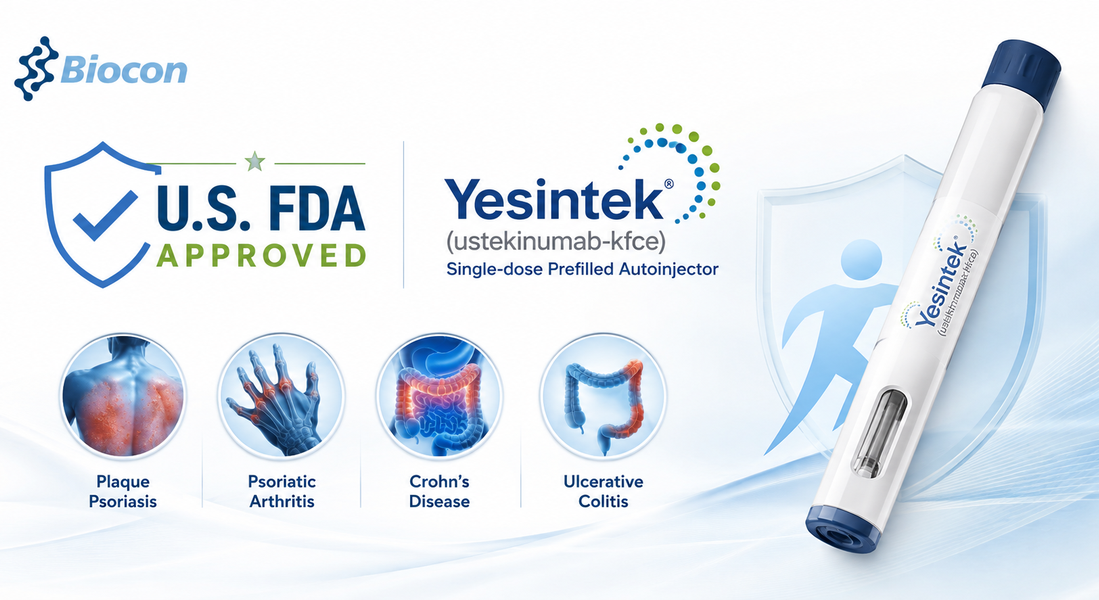
Biocon has announced that the U.S. Food and Drug Administration (U.S. FDA) has approved Yesintek® (ustekinumab-kfce) as a single-dose prefilled autoinjector. Yesintek® is a biosimilar to Stelara® (ustekinumab), a biologic therapy used across several immune-mediated inflammatory diseases. The approval represents another advancement in Biocon’s expanding biosimilar portfolio and strengthens its presence in the U.S. immunology market.
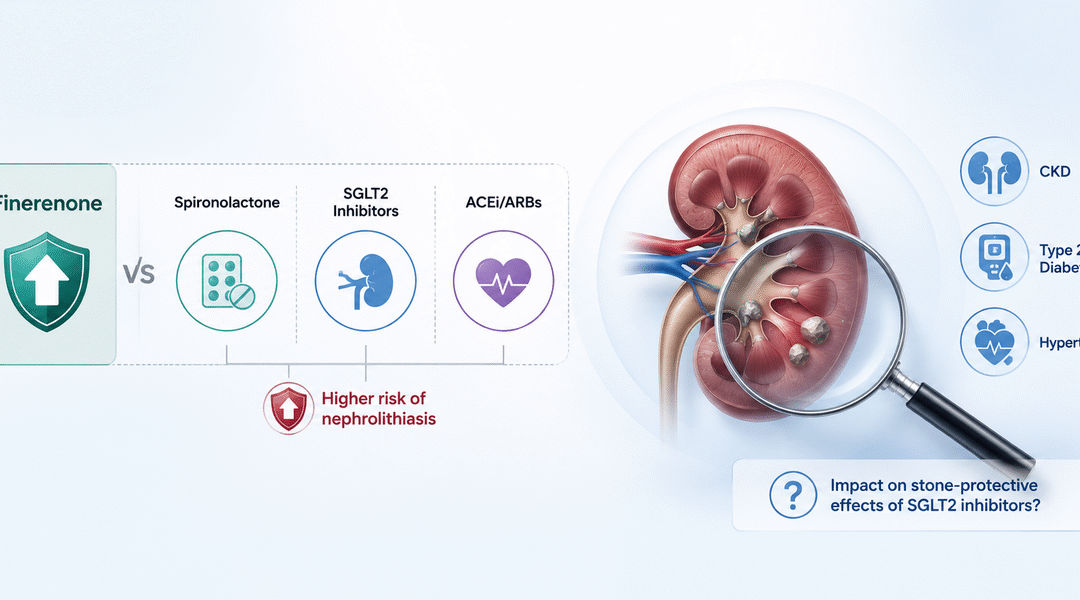
Finerenone, a non-steroidal mineralocorticoid receptor antagonist (MRA), has demonstrated renoprotective benefits in people with chronic kidney disease (CKD) and type 2 diabetes mellitus (T2DM). However, its potential association with nephrolithiasis has not been well characterized. A newly published real-world study in Scientific Reports evaluated the incidence of kidney stones among patients receiving finerenone compared with other commonly used CKD therapies.
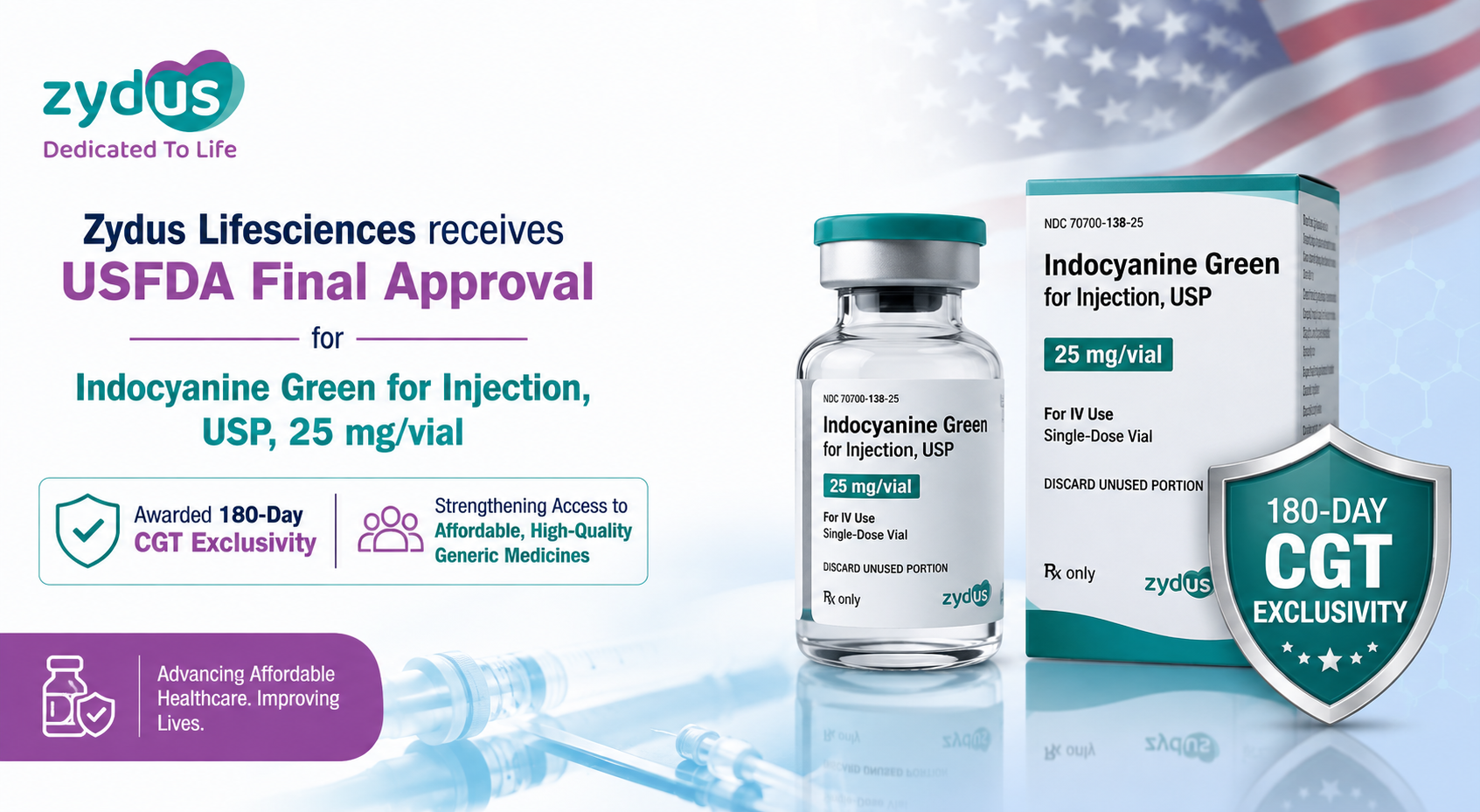
Zydus Lifesciences has announced that the U.S. Food and Drug Administration (USFDA) has granted final approval for Indocyanine Green for Injection, USP, 25 mg/vial, with eligibility for 180-day Competitive Generic Therapy (CGT) exclusivity. The approval represents an important milestone for the company, reflecting its continued focus on expanding its portfolio of complex injectable generic medicines while addressing areas with limited generic competition. Under the CGT pathway, the first approved applicant receives a period of market exclusivity following commercial launch, encouraging the development of generic medicines for products with inadequate competition.
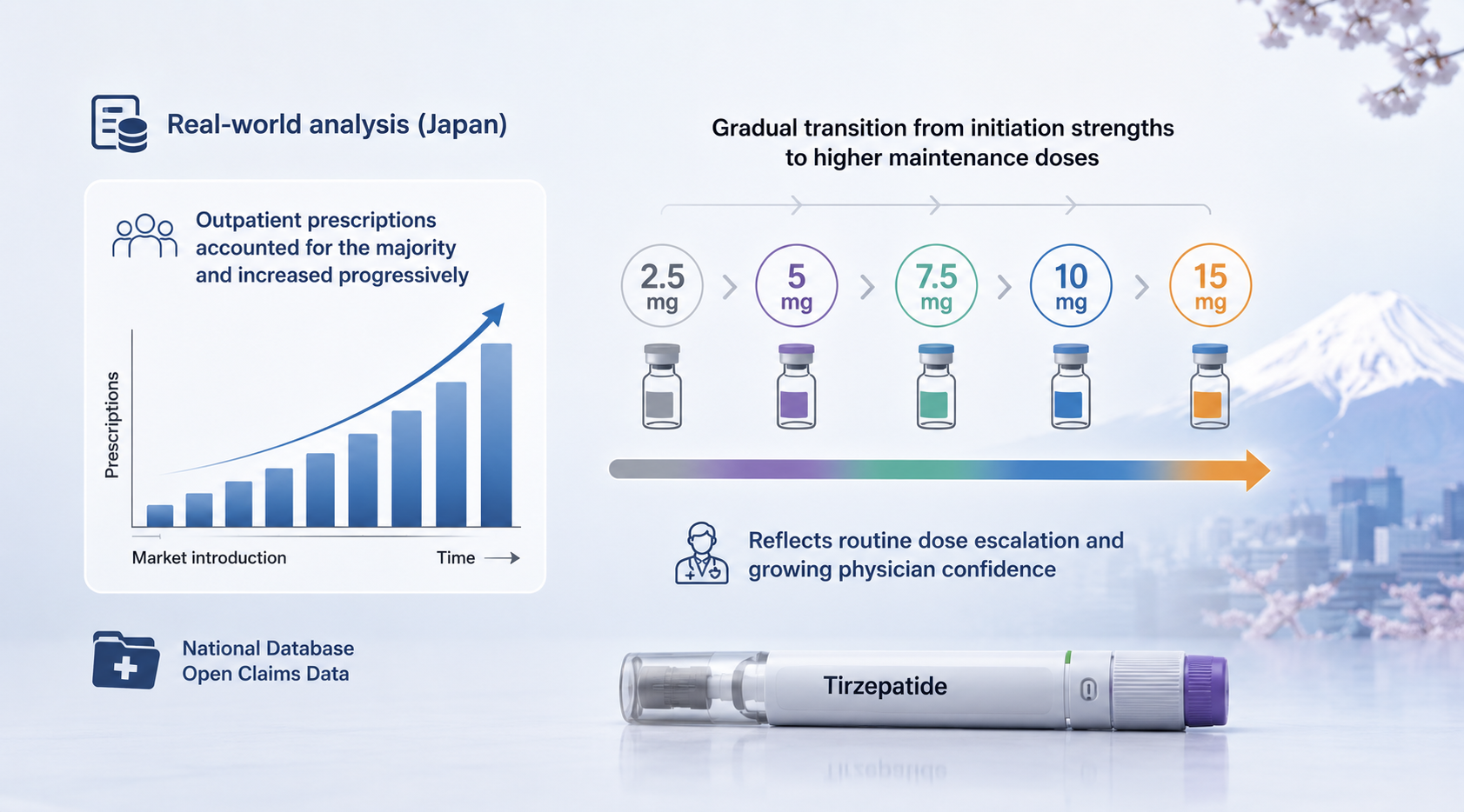
Tirzepatide, a dual glucose-dependent insulinotropic polypeptide (GIP) and glucagon-like peptide-1 (GLP-1) receptor agonist, has emerged as an important therapeutic option for type 2 diabetes mellitus (T2DM). While clinical trials have established its efficacy, real-world evidence describing prescribing behavior and dose utilization after market introduction remains limited. This study assessed outpatient dispensing patterns and changes in tirzepatide strength mix in Japan using nationwide administrative claims data.
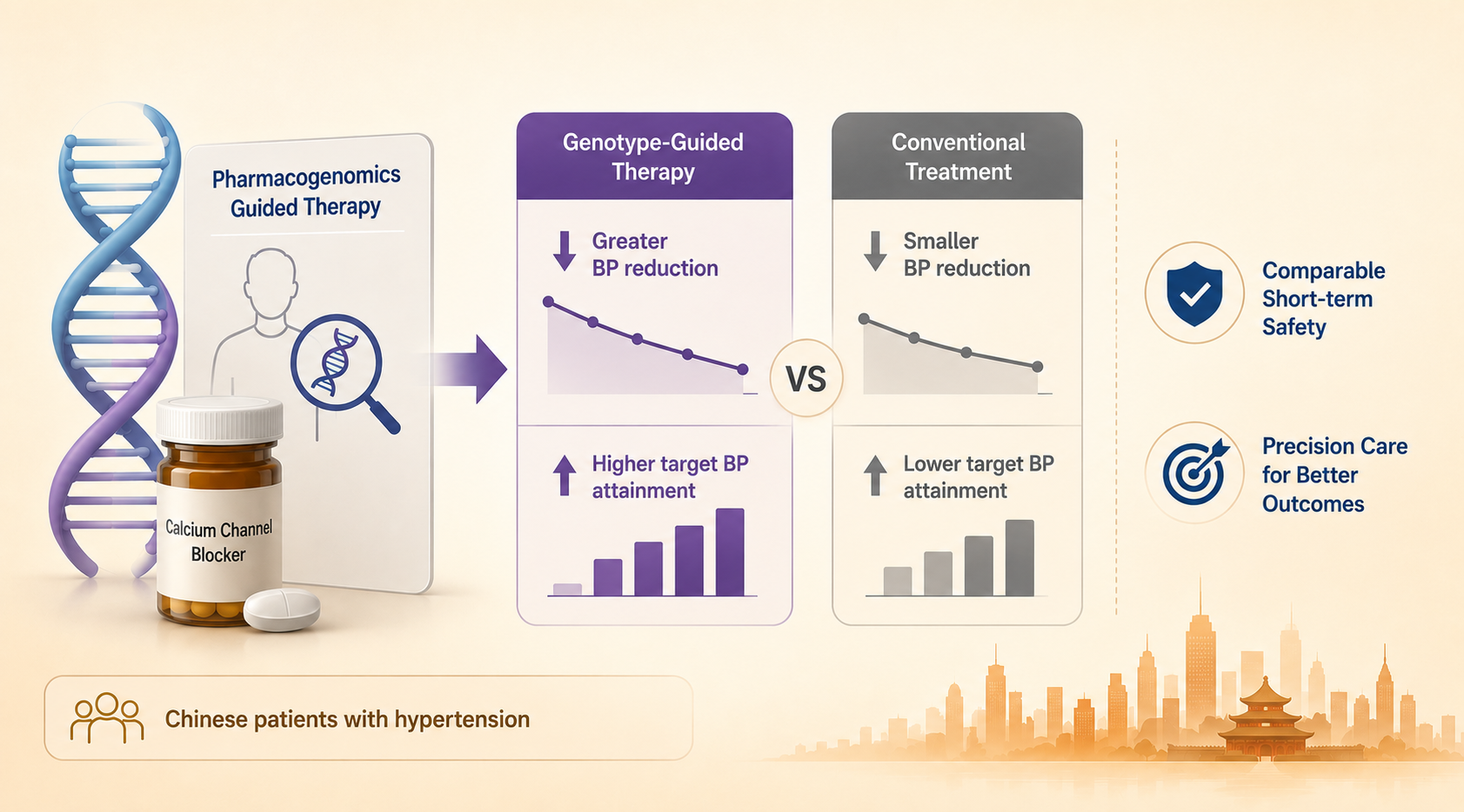
Interindividual variability in antihypertensive drug response presents a major challenge in achieving optimal blood pressure (BP) control. Pharmacogenomics (PGx) offers an opportunity to individualize therapy by identifying genetic variants associated with differential drug efficacy and metabolism. This study evaluated the association of a calcium channel blocker (CCB)-related PGx-guided treatment strategy with BP outcomes and short-term safety in Chinese patients with hypertension through a secondary exploratory analysis of two randomized cohorts.