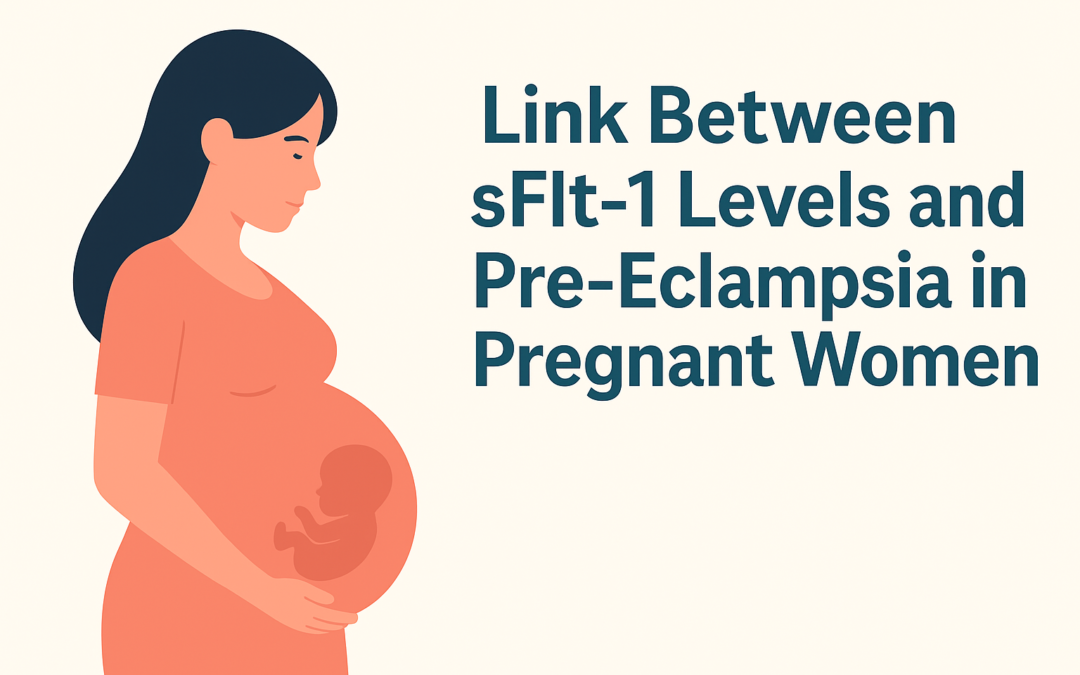
This research focuses on a serious condition during pregnancy called pre-eclampsia, which affects about 5% of pregnant women. It usually shows up after the 20th week and is marked by high blood pressure and protein in the urine. If not managed, it can lead to dangerous complications for both the mother and the baby, including seizures, liver and kidney issues, and even death.

Cardiac conditions such as heart failure, stroke, and artery disease are major killers across the globe. Lowering blood sugar levels has been the focus for many years for diabetic patients, but new diabetes medications known as GLP-1 receptor agonists (GLP1Ra) appear to benefit the heart as well. Researchers wanted to know how.
NCD-RisC estimate for 2022 differs by approximately 300 million persons compared to IDF Atlas 10th edition and GBD 2021 and by 250 million compared to IDF Atlas 11th edition 2024 estimates. IDF Atlas 11th edition 20250 projection of 853 million comes closest to the NCD-RisC estimate, but 28 years later. Of the 3 groups attempting estimates of the diabetes world population, NCD-RisC is the outlier.
By 2050, the global number of people with diabetes aged 20–79 is projected to rise to 853 million, a 45% increase from 2024. Africa is expected to see the highest surge, with a 145% rise, while Europe will have the smallest increase at 10%. South-East Asia and the Middle East & North Africa will also face substantial increases of 73% and 92%, respectively. While North America with 21% rise; South and central America will have 45% rise. These trends highlight a growing global health challenge that requires urgent attention and strategic intervention.
Khan S, presented a session at IDF World Diabetes Congress 2025 from 7th-10th April 2025 in Bangkok. Globally the cardiometabolic risk is increasing with the rising rates of obesity, hypertension and pre-diabetes and diabetes (Circulation 2024). There is a need for a new prevention paradigm due to the complex interplay between metabolic disease, CKD, and CVD. However, there is hope with advancements in scientific understanding, the emergence of novel therapies, and growing evidence for treatments that impact all three systems simultaneously.