
The study emphasizes the need to adopt an integrated approach to cardiovascular, kidney, and metabolic (CKM) health, which are deeply interconnected and contribute significantly to morbidity and mortality in the U.S. population.

The study assessed patients who underwent cardiac magnetic resonance imaging (CMR) due to reduced left ventricular ejection fraction (LVEF) and a history of atrial or ventricular arrhythmia. AIC was diagnosed retrospectively in patients who showed improvement in LVEF by more than 15% within six months of rhythm control without any other specific heart disease identified. The researchers compared the clinical, laboratory, and imaging characteristics of 86 patients with AIC to those of 463 patients with other non-ischaemic cardiomyopathies (NICM).
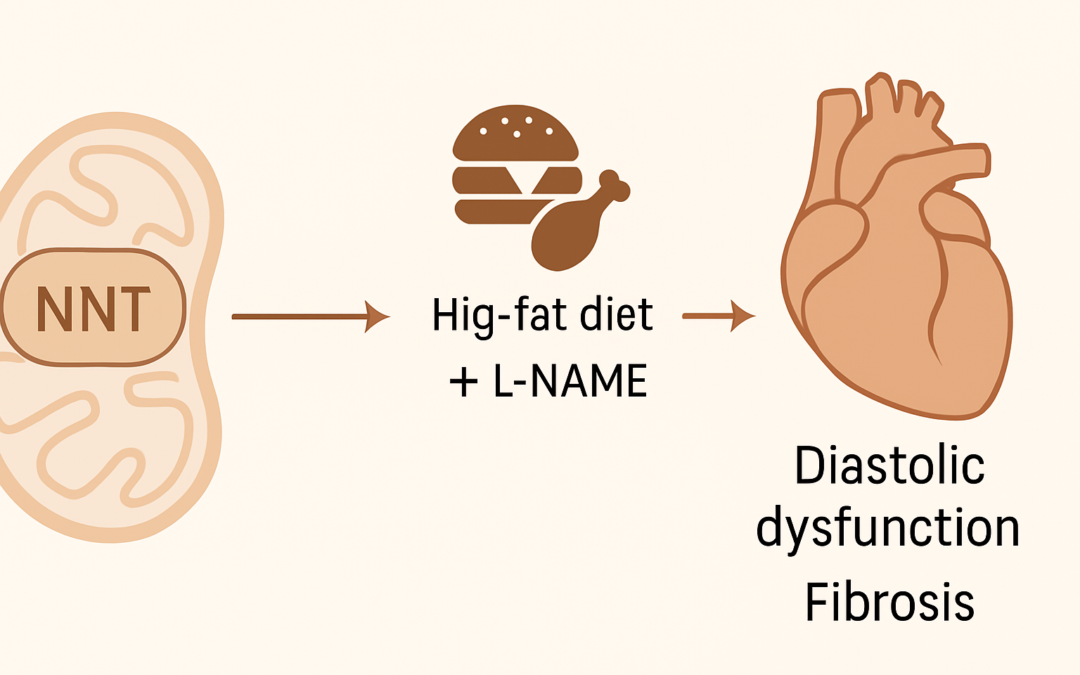
The study investigates the role of mitochondrial nicotinamide nucleotide transhydrogenase (NNT) in the development of heart failure with preserved ejection fraction (HFpEF), particularly in the context of cardiometabolic disease. HFpEF is a complex condition lacking effective therapies, and current preclinical models often rely on a “two-hit” approach—combining a high-fat diet with L-NAME (a nitric oxide synthase inhibitor)—to induce HFpEF-like features in mice.

The article explores the current understanding, challenges, and recommendations for the use of transcatheter therapies in treating mitral regurgitation (MR) and tricuspid regurgitation (TR) in patients with heart failure (HF). MR and TR are the most prevalent valvular heart diseases in heart failure patients, especially among those with reduced ejection fraction or advanced HF. Their independent prognostic importance is well established. In recent years, transcatheter interventions have emerged as potential treatment options.

The study explored the link between calprotectin—a protein released during inflammation—and the risk of developing atherosclerotic cardiovascular disease (ASCVD), which includes conditions like heart attacks and strokes. Researchers followed over 2400 people from a racially diverse population in Dallas for eight years, measuring calprotectin levels in their blood and observing who later experienced heart-related events.