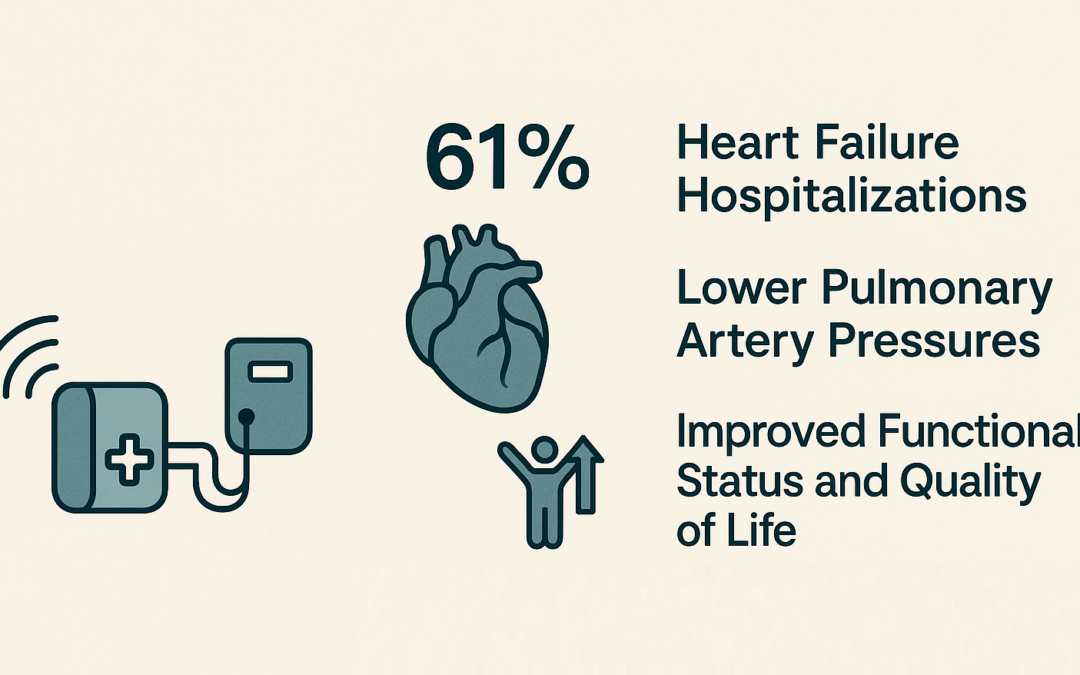
This systematic review and meta-analysis evaluates the effectiveness of pulmonary artery pressure (PAP)-guided management using the CardioMEMS Heart Failure System in patients with heart failure (HF) outside the controlled settings of randomized clinical trials. The study aims to assess real-world evidence regarding the system’s impact on key clinical outcomes, particularly heart failure hospitalizations (HFHs), functional status, and quality of life.
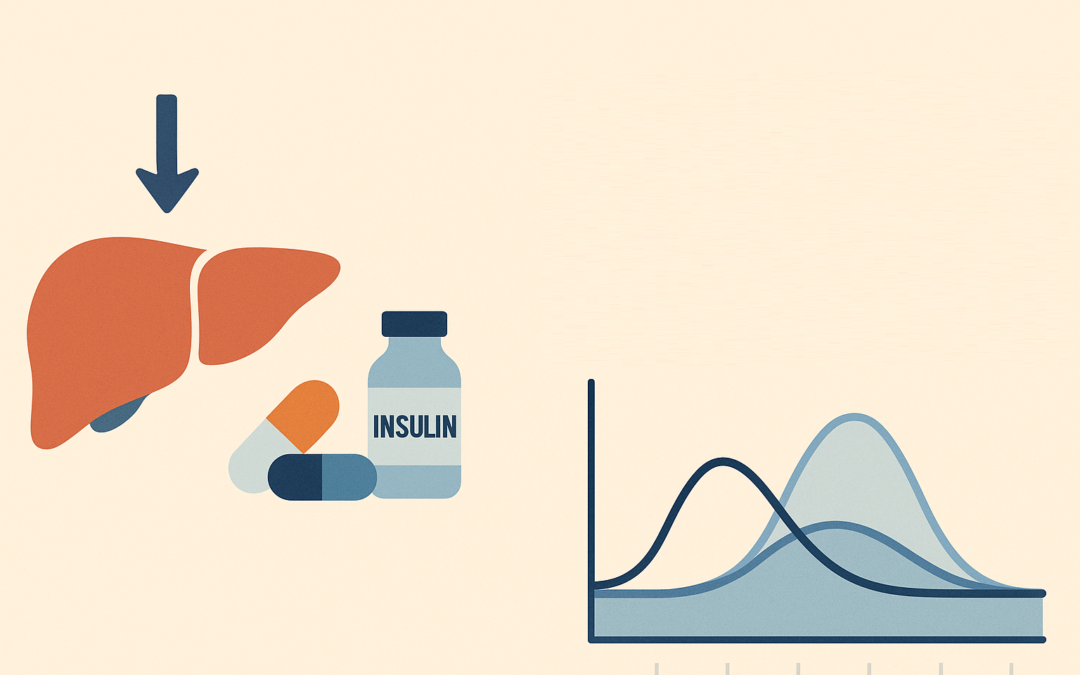
The article discusses the evolving yet critical role of basal insulin (BI) in managing type 2 diabetes mellitus (T2DM) in the era of newer glucose-lowering agents such as GLP-1 receptor agonists (GLP-1RAs) and SGLT2 inhibitors (SGLT2is). While these newer therapies offer advantages like minimal titration, weight reduction, and cardiovascular/renal benefits, BI continues to serve as a vital therapeutic tool, particularly when other medications fail to maintain adequate glucose control or in scenarios like metabolic stress, pregnancy, latent autoimmune diabetes (LADA), or comorbidity-driven limitations.
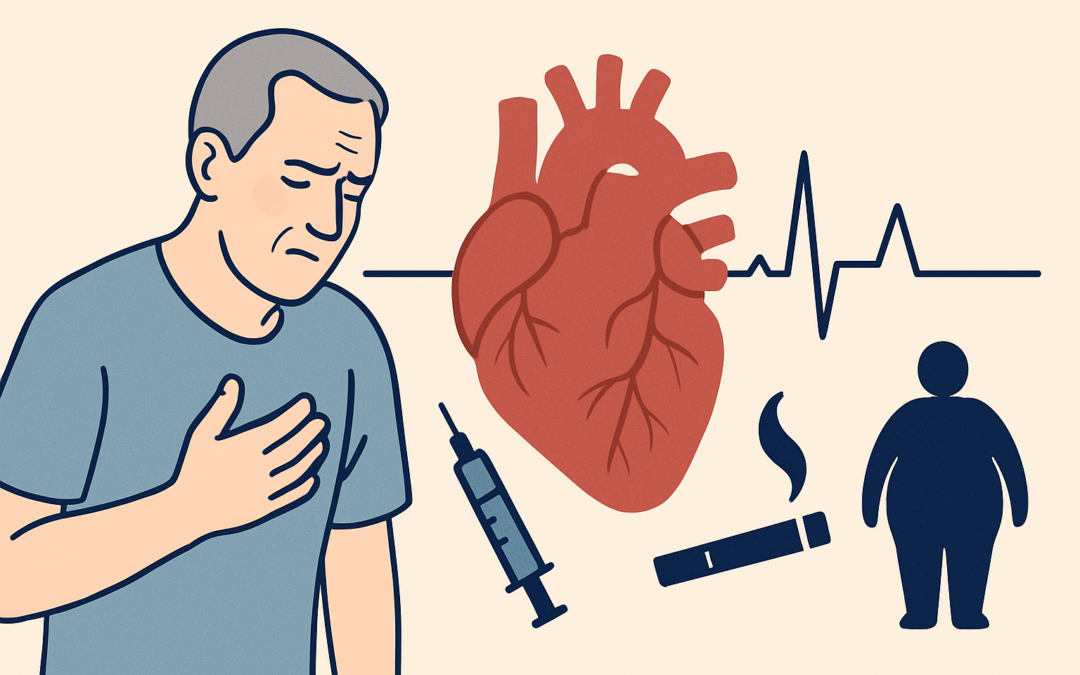
The study investigates the long-term cardiovascular and mortality risks associated with adult-onset type 1 diabetes (T1D), especially in individuals diagnosed at age 40 or older, using data from over 10,000 people with T1D in Sweden. It compares them with patients with type 2 diabetes (T2D) and over half a million diabetes-free controls, tracking outcomes from 2005 to 2022.

The article from the European Heart Journal discusses recent advances in treatments and biomarkers for heart failure (HF), hypertrophic cardiomyopathy (HCM), and familial hypercholesterolaemia (FH), highlighting both clinical trials and emerging research.
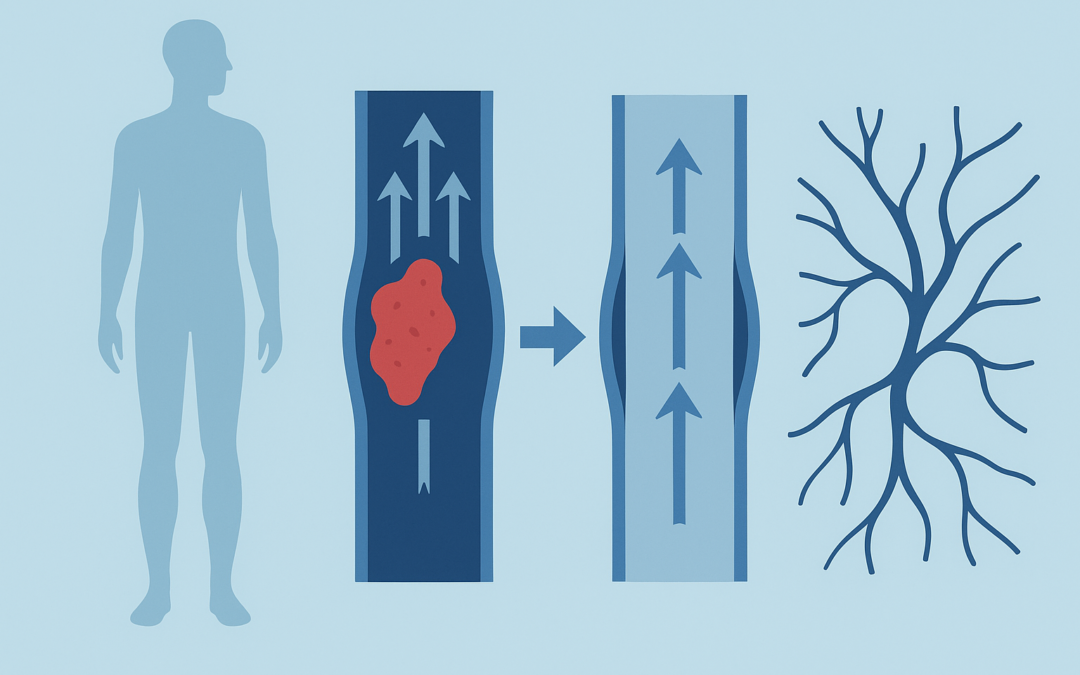
The scientific statement revisits the Open Vein Hypothesis (OVH), which suggests that early clearance of venous thrombus and restoration of blood flow can help prevent postthrombotic syndrome (PTS) following deep vein thrombosis (DVT). PTS is a debilitating condition that affects up to 50% of patients after a DVT and significantly impairs quality of life. The authors note that despite anticoagulation and compression therapy, PTS remains prevalent, highlighting the need for improved prevention strategies.