Boehringer Ingelheim’s HERNEXEOS® (zongertinib tablets) has received accelerated approval from the U.S. Food and Drug Administration (FDA) as the first orally administered targeted therapy for adult patients with unresectable or metastatic non-squamous non-small cell lung cancer (NSCLC) harboring HER2 (ERBB2) tyrosine kinase domain activating mutations, detected by an FDA-approved test, who have received prior systemic therapy.

Viatris Inc., a leading global healthcare company listed on Nasdaq as VTRS, has announced the U.S. Food and Drug Administration (FDA) approval of Iron Sucrose Injection, USP, marking the first generic equivalent to Venofer® Injection. This intravenous iron replacement therapy is indicated for treating iron deficiency anemia (IDA) in adult and pediatric patients (aged 2 years and older) with chronic kidney disease (CKD). IDA remains a prevalent complication in CKD, contributing to elevated risks of cardiovascular issues and mortality. The product will be available imminently in single-dose vials with strengths of 50 mg/2.5 mL, 100 mg/5 mL, and 200 mg/10 mL.

Lantheus Holdings, Inc. (NASDAQ: LNTH), a leader in radiopharmaceuticals, revealed on August 6, 2025, that the U.S. Food and Drug Administration (FDA) has accepted a New Drug Application (NDA) submitted by its affiliate, Aphelion, for an advanced formulation of piflufolastat F 18, the active ingredient in its flagship PSMA-targeted PET imaging agent, PYLARIFY. The FDA has established a Prescription Drug User Fee Act (PDUFA) target action date of March 6, 2026, paving the way for potential approval that could significantly expand access to this diagnostic tool for prostate cancer patients. This development builds upon PYLARIFY’s established success, which has revolutionized prostate cancer imaging with superior diagnostic performance, including an 86% median true-positive rate for detecting recurrent disease in patients with rising PSA levels post-therapy, as demonstrated in clinical studies with independent readers.
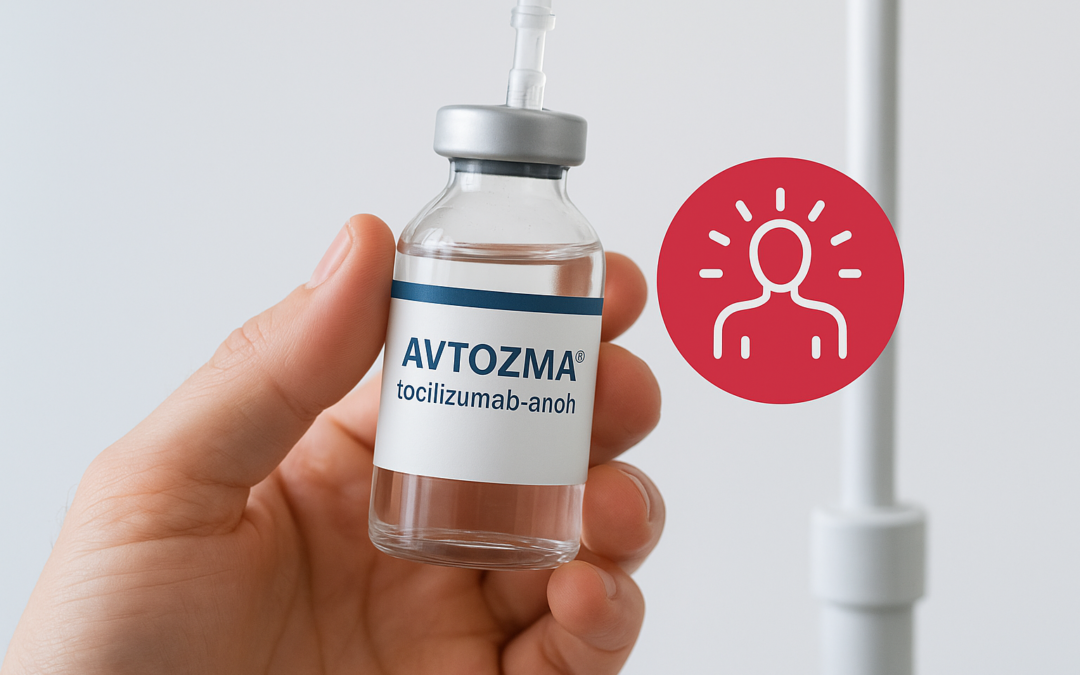
On August 6, 2025, the U.S. Food and Drug Administration (FDA) granted an expanded indication for AVTOZMA® (tocilizumab-anoh), a biosimilar to ACTEMRA® (tocilizumab), allowing its intravenous (IV) formulation to be used for the treatment of cytokine release syndrome (CRS) in adult and pediatric patients aged 2 years and older. This approval marks a significant milestone for Celltrion, Inc., the South Korea-based biopharmaceutical company behind AVTOZMA, as it now aligns the biosimilar with all FDA-approved indications for the reference product’s IV form.
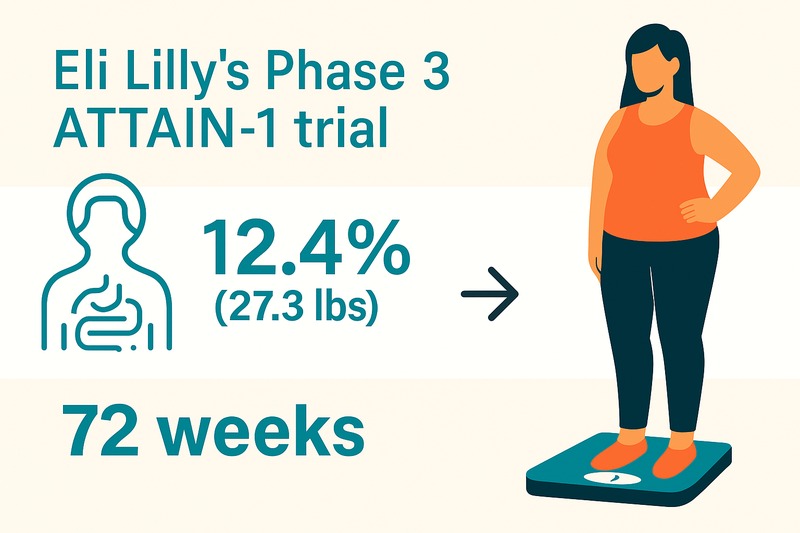
Obesity affects over one billion people globally, driving chronic disease burden. Orforglipron, an investigational oral glucagon-like peptide-1 (GLP-1) receptor agonist, offers a potential non-injectable treatment for weight management. The Phase 3 ATTAIN-1 trial evaluated its efficacy and safety in adults with obesity or overweight with weight-related comorbidities, excluding diabetes.