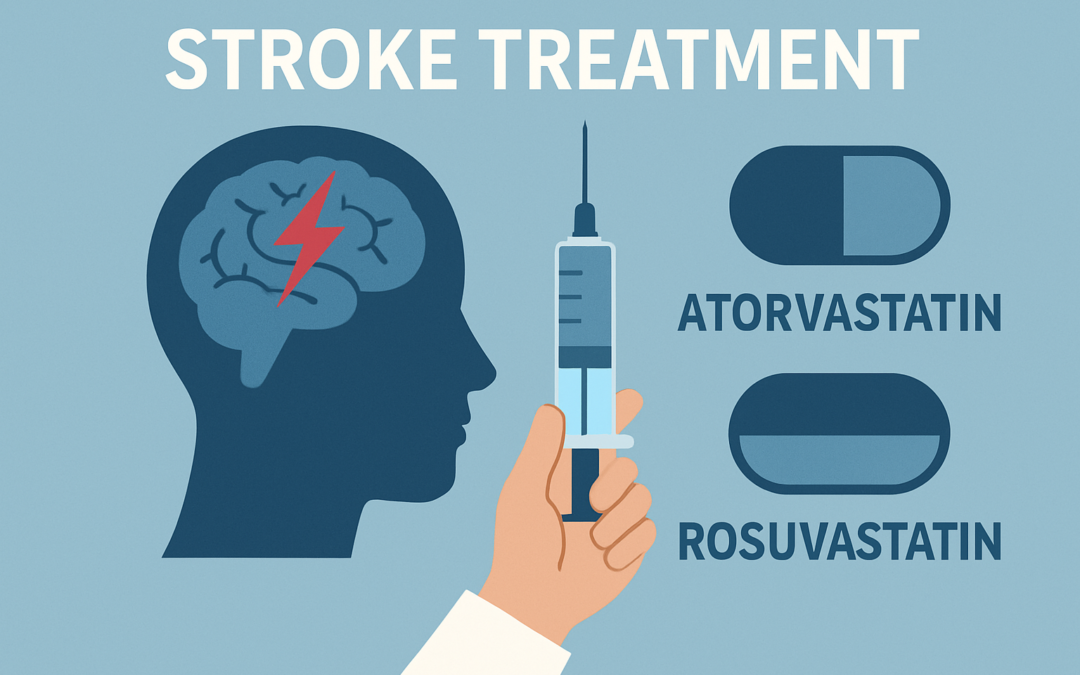
This national registry-based observational study, conducted using data from the Third China National Stroke Registry (CNSR-III), compared the effectiveness and safety of atorvastatin versus rosuvastatin in 3322 adult patients (aged ≥18 years) with ischemic stroke or transient ischemic attack (TIA) who initiated either statin within 7 days of symptom onset, from August 2015 to March 2018. Eligible patients had a pre-stroke modified Rankin Scale (mRS) score of 0, indicating no disability. Of these, 2605 initiated atorvastatin, and 717 initiated rosuvastatin. The primary outcome was ideal, defined as an mRS score of 0 (no symptoms) at 3 months. Secondary outcomes included ideal outcomes at discharge, 6 months, and 12 months, as well as 12-month rates of stroke recurrence, all-cause mortality, cardiovascular mortality, and major adverse cardiovascular events (MACE).
The impending loss of exclusivity for semaglutide, the active ingredient in Ozempic and Wegovy, in 2026 is poised to transform the anti-obesity medication (AOM) market, particularly in countries like India, China, Canada, Brazil, and Turkey, which represent 40% of the global population and 33% of adults with obesity. With combined sales of $26 billion in 2024 and a 40% annual growth rate, semaglutide’s patent expiration in these markets will introduce off-patent versions, intensifying competition and reshaping treatment landscapes. In India, over ten companies are developing off-patent semaglutide, with seven focusing on oral formulations to differentiate from injectables. China sees 17 candidates in advanced trials, leveraging its manufacturing prowess, while partnerships, like Biocon’s with Biomm in Brazil, signal global expansion efforts.

Mitochondrial dysfunction and oxidative stress, triggered by angiotensin II (Ang II) overactivation, are key drivers of cardiovascular disease (CVD) progression. This study compares the protective effects of nebivolol, a third-generation β1-adrenergic blocker, and metoprolol, a second-generation β1-adrenergic blocker, on Ang II-induced mitochondrial impairment in H9c2 cardiomyoblasts.
Treatment options for children and adolescents with type 2 diabetes mellitus (T2DM) are limited. Canagliflozin, a sodium–glucose cotransporter-2 inhibitor, is approved for T2DM in adults but requires evaluation in younger populations. The objective was to evaluate the efficacy and safety of canagliflozin in children and adolescents with T2DM.

Revalesio, a clinical-stage biopharmaceutical company, has been granted Fast Track designation by the U.S. Food and Drug Administration (FDA) for its lead investigational therapy, RNS60, targeting acute ischemic stroke. This designation aims to expedite the development and review of RNS60, a proprietary oxygen-enriched saline designed to protect brain tissue following ischemic injury, addressing a critical gap in stroke treatment. Acute ischemic stroke, a leading cause of long-term disability and the second leading cause of death globally, often results in permanent neurological deficits despite advances in endovascular thrombectomy, which restores blood flow but does not prevent tissue damage post-reperfusion. Currently, no FDA-approved therapies exist to mitigate brain tissue loss during or after reperfusion, underscoring the urgent need for innovative treatments.