Glomerular hyperfiltration at the single-nephron level often precedes detectable whole-kidney GFR decline in type 2 diabetes (T2D). Renal functional reserve (RFR), measured as the postprandial GFR increase, may unmask this hidden hyperfiltration. Sodium-glucose co-transporter-2 inhibitors (SGLT2i) like empagliflozin reduce intraglomerular pressure via tubuloglomerular feedback, often causing an initial GFR dip. We hypothesized that lower baseline postprandial RFR predicts greater empagliflozin-induced GFR reduction, but not responses to dipeptidyl-peptidase-4 inhibitor (linagliptin) or sulfonylurea.

Heart failure (HF) represents a prevalent and prognostically important complication in individuals with type 2 diabetes (T2D), contributing substantially to morbidity and mortality. Although glucagon-like peptide-1 receptor agonists (GLP-1 RAs) have shown cardiovascular benefit in T2D, the impact of the once-daily oral semaglutide formulation on HF outcomes has not been fully characterized. The SOUL trial was a multinational, randomized, double-blind, placebo-controlled cardiovascular outcomes study in adults with T2D and atherosclerotic cardiovascular disease (ASCVD) and/or chronic kidney disease (CKD), originally designed to assess major adverse cardiovascular events (MACE). This secondary analysis evaluates the effect of oral semaglutide on HF outcomes according to HF status at baseline.

The phase 3 CORALreef Lipids trial, a multinational, double-blind, randomized, placebo-controlled study published in the New England Journal of Medicine on February 4, 2026, assessed the efficacy and safety of enlicitide decanoate, an investigational oral macrocyclic peptide inhibitor of proprotein convertase subtilisin/kexin type 9 (PCSK9). Enlicitide targets PCSK9 to increase hepatic LDL receptor availability and reduce circulating LDL cholesterol (LDL-C), offering a convenient oral alternative to injectable monoclonal antibodies.
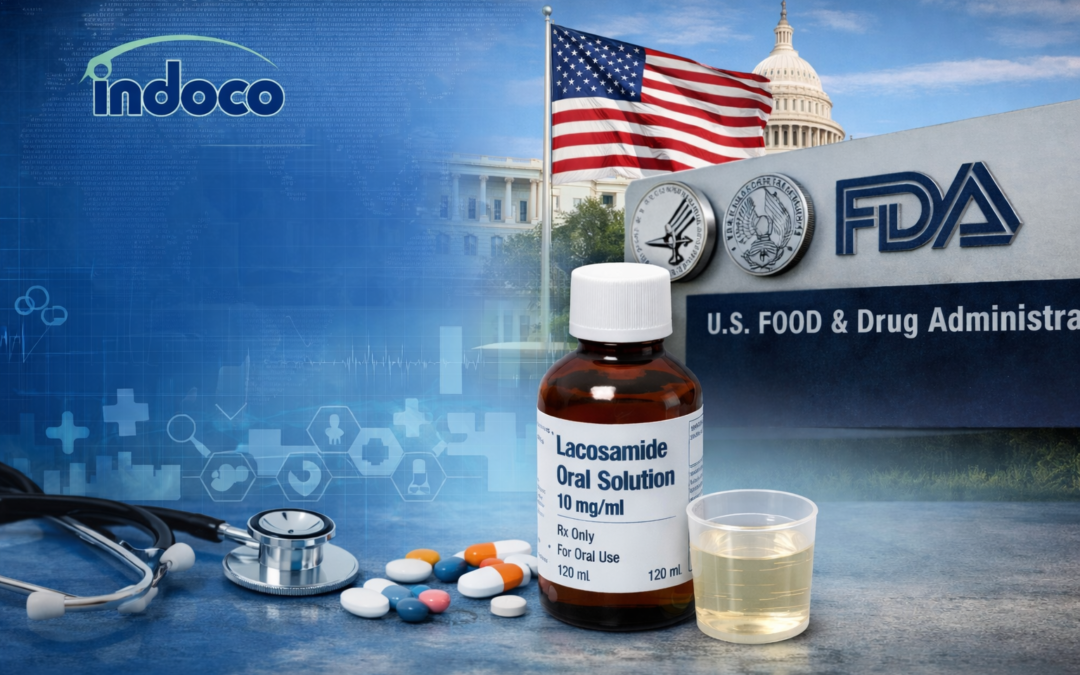
On January 30, 2026, Indoco Remedies Ltd., a Mumbai-based integrated pharmaceutical company, received final approval from the United States Food and Drug Administration (USFDA) for its Abbreviated New Drug Application (ANDA) covering Lacosamide Oral Solution USP, 10 mg/mL. This generic formulation is bioequivalent and therapeutically equivalent to the reference listed drug (RLD), Vimpat Oral Solution 10 mg/mL, originally developed and marketed by UCB, Inc.

A retrospective cohort study published in Cureus on January 31, 2026, assessed the effectiveness of a specialized vascular risk clinic in Portugal in controlling major modifiable cardiovascular (CV) risk factors. Conducted between January 2022 and April 2023 (16 months), the analysis included 229 consecutive patients referred to the clinic, predominantly those with established atherosclerotic CV disease (ASCVD), diabetes, or high/very high CV risk per ESC/EAS guidelines. The multidisciplinary approach involved cardiologists, endocrinologists, nutritionists, and nurses, emphasizing intensive lifestyle counseling (diet, exercise, smoking cessation) alongside evidence-based pharmacotherapy titration (statins, antihypertensives, antiplatelet agents, GLP-1 agonists/SGLT2 inhibitors where indicated).