A recent study presented at Heart Failure 2025, a congress of the European Society of Cardiology (ESC), highlights the promising performance of an artificial intelligence (AI)-enabled electrocardiogram (ECG) algorithm in detecting early signs of heart failure in Kenya. The study specifically focused on identifying left ventricular systolic dysfunction (LVSD), a precursor to heart failure, in a resource-limited setting where access to echocardiography—the gold standard diagnostic tool—is limited.
A pharmaceutically manufactured cannabidiol (CBD) formulation demonstrated a favorable cardiac safety profile in a prospective, placebo-controlled trial involving patients hospitalized with non-critical COVID-19 and at high risk for cardiovascular events. The findings were presented at the Heart Failure 2025 congress of the European Society of Cardiology (ESC) on 17 May 2025 in Belgrade, Serbia.
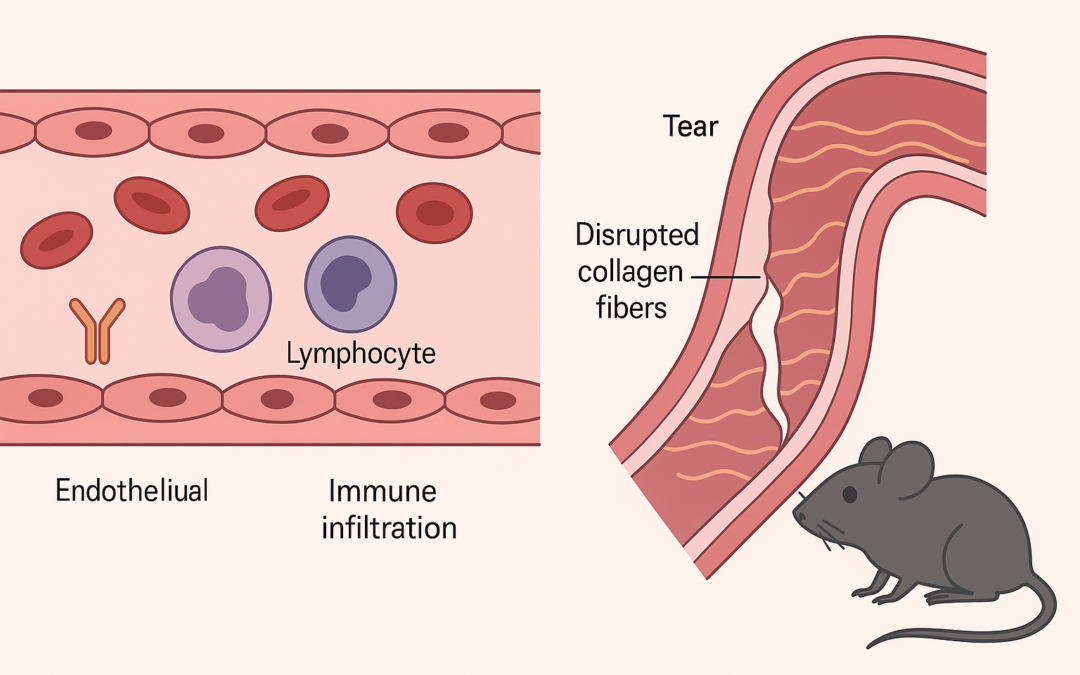
The study presents a novel mouse model for spontaneous aortic dissection (AD), developed by introducing a patient-derived FBN1 gene variant (Gly234Asp) using CRISPR/Cas9. This mutation, identified in a family with nonsyndromic AD, leads to early-onset, rapidly progressing aortic dissection in homozygous mutant mice, with a 50% mortality rate by five weeks of age. The mutant mice exhibit multiple intimomedial tears in the ascending aorta, mimicking human pathology. The research identifies early abnormalities in endothelial cells (ECs), such as misalignment with blood flow and upregulation of adhesion molecules (VCAM-1 and ICAM-1), contributing to immune cell recruitment.
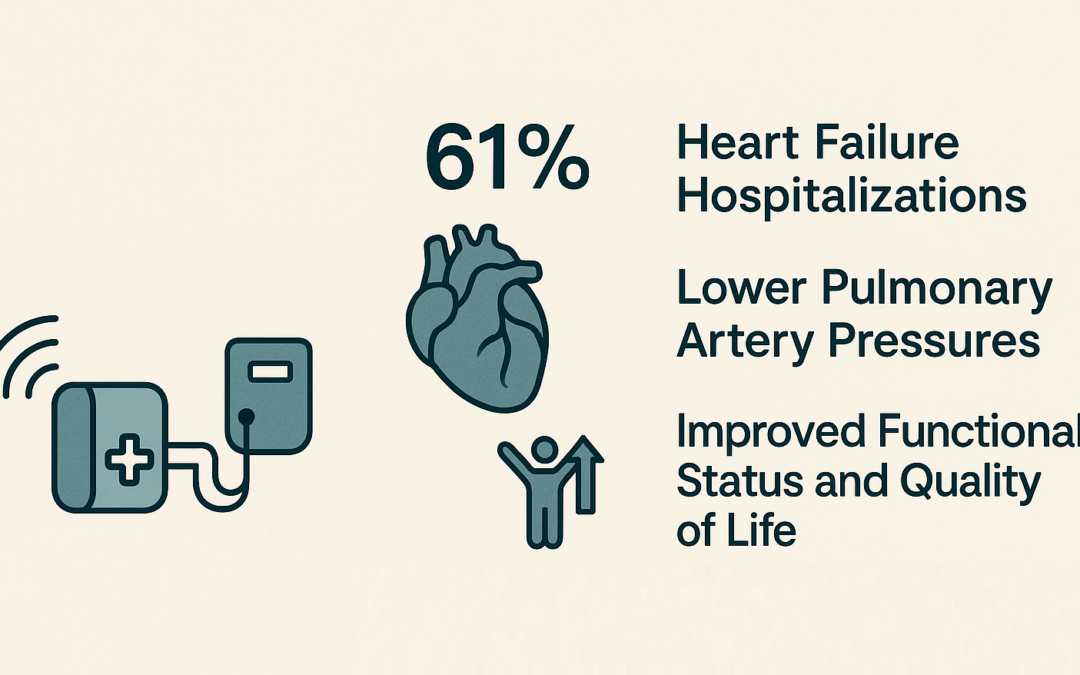
This systematic review and meta-analysis evaluates the effectiveness of pulmonary artery pressure (PAP)-guided management using the CardioMEMS Heart Failure System in patients with heart failure (HF) outside the controlled settings of randomized clinical trials. The study aims to assess real-world evidence regarding the system’s impact on key clinical outcomes, particularly heart failure hospitalizations (HFHs), functional status, and quality of life.
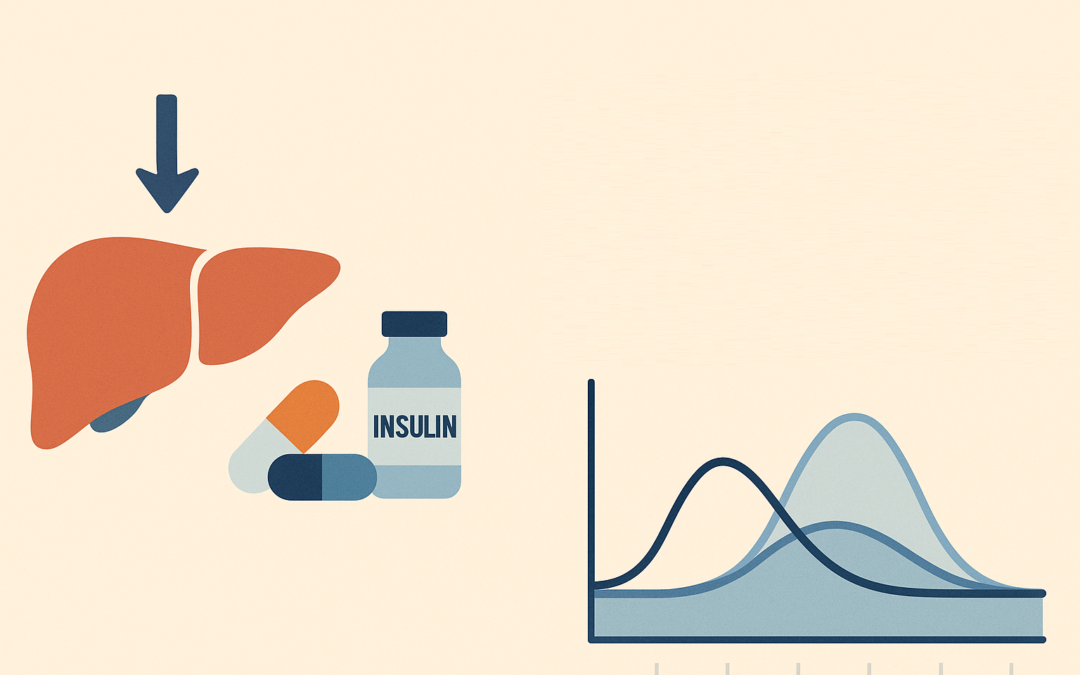
The article discusses the evolving yet critical role of basal insulin (BI) in managing type 2 diabetes mellitus (T2DM) in the era of newer glucose-lowering agents such as GLP-1 receptor agonists (GLP-1RAs) and SGLT2 inhibitors (SGLT2is). While these newer therapies offer advantages like minimal titration, weight reduction, and cardiovascular/renal benefits, BI continues to serve as a vital therapeutic tool, particularly when other medications fail to maintain adequate glucose control or in scenarios like metabolic stress, pregnancy, latent autoimmune diabetes (LADA), or comorbidity-driven limitations.