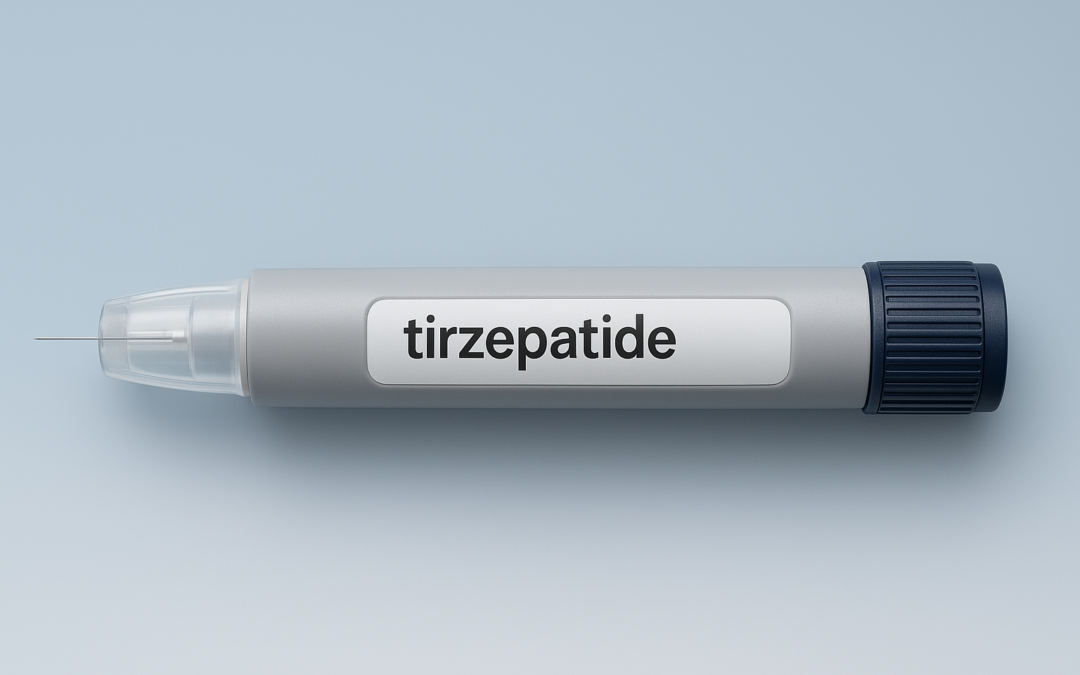
On October 24, 2025, Eli Lilly and Company announced a strategic collaboration with Cipla Limited, a leading Indian pharmaceutical firm, to distribute and promote Yurpeak® (tirzepatide injection) in India. Tirzepatide, a dual GLP-1 and GIP receptor agonist, is approved for chronic weight management in adults with obesity or overweight accompanied by at least one weight-related comorbidity. Marketed as Yurpeak® in this partnership, it represents Lilly’s entry into India’s burgeoning market for anti-obesity therapies.
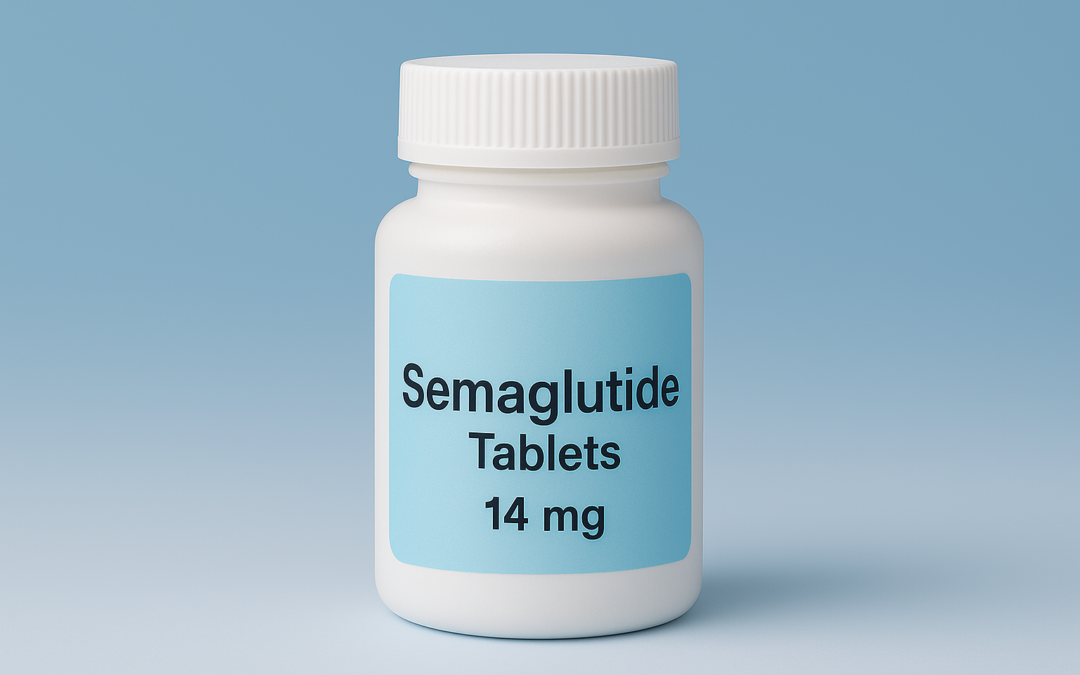
On October 23, 2025, the U.S. Food and Drug Administration (FDA) expanded the label for Novo Nordisk’s oral semaglutide (Rybelsus®) to include reduction of major adverse cardiovascular events (MACE)—cardiovascular death, non-fatal myocardial infarction, or non-fatal stroke—in adults with type 2 diabetes mellitus (T2D) and either established cardiovascular disease or high cardiovascular risk, irrespective of prior CV event history. This approval establishes oral semaglutide as the first oral GLP-1 receptor agonist with a cardiovascular indication for both primary and secondary prevention.
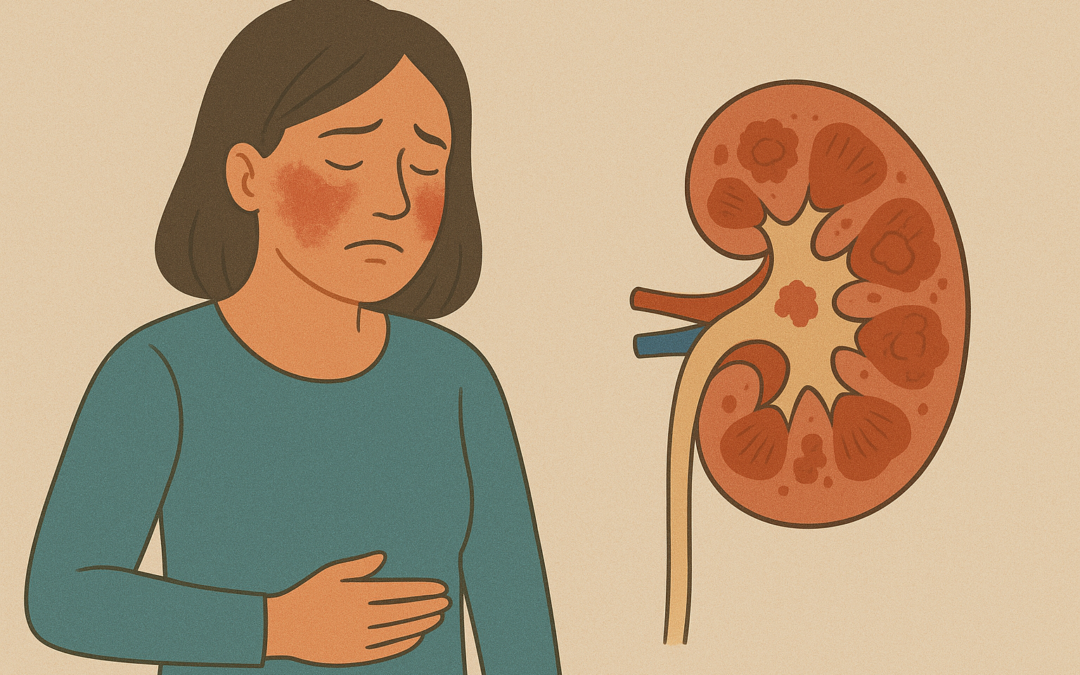
On October 20, 2025, the U.S. Food and Drug Administration (FDA) granted approval to Roche’s Gazyva/Gazyvaro (obinutuzumab) for the treatment of lupus nephritis (LN), a severe complication of systemic lupus erythematosus (SLE) that affects the kidneys. Lupus nephritis is characterized by inflammation that can lead to kidney damage, impaired function, and, in severe cases, kidney failure.
Eli Lilly and Company announced positive topline results from the Phase 3 ACHIEVE-2 and ACHIEVE-5 trials evaluating orforglipron, an investigational once-daily oral GLP-1 receptor agonist, for type 2 diabetes management. In ACHIEVE-2, orforglipron (3 mg, 12 mg, 36 mg) was compared to dapagliflozin (10 mg) in adults with type 2 diabetes inadequately controlled on metformin. The trial met its primary endpoint, with orforglipron achieving A1C reductions of up to 1.7% (efficacy estimand) compared to 0.8% for dapagliflozin at 40 weeks.
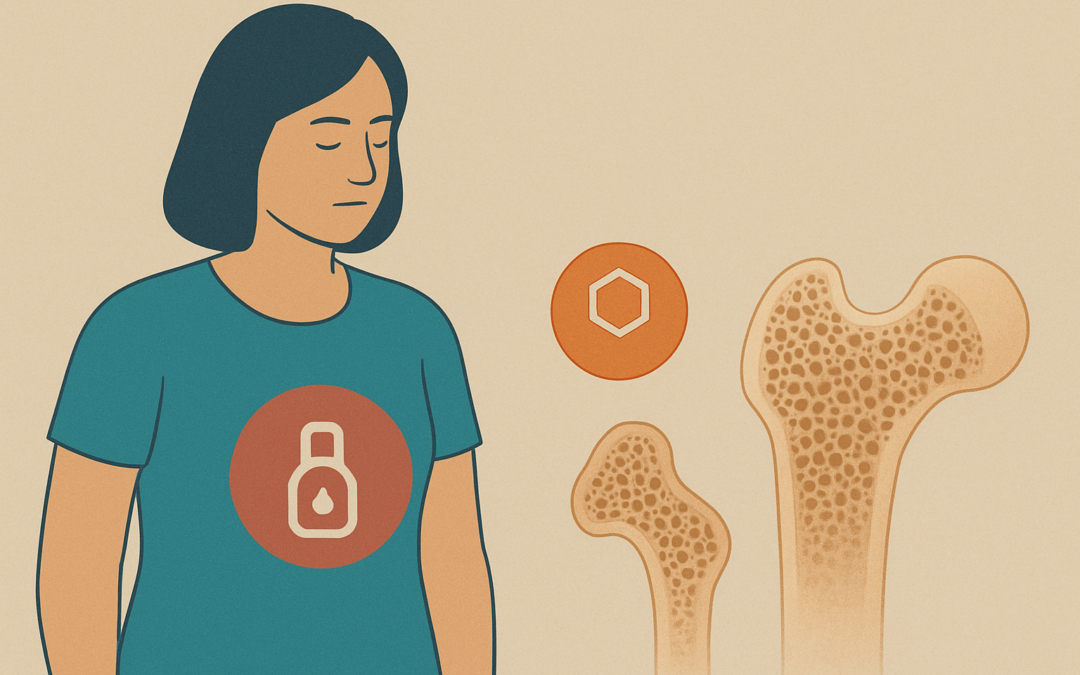
Women with type 2 diabetes face elevated risks of osteoporosis and fractures, potentially exacerbated by hyperglycemia and medications. Dipeptidyl peptidase-4 inhibitors (DPP4-Is) like sitagliptin may protect bone health by modulating bone metabolism and inflammation, but clinical evidence is sparse. The SLowDOWN trial evaluated the efficacy and safety of sitagliptin on bone mineral density (BMD) and related biomarkers in women with type 2 diabetes over 52 weeks.