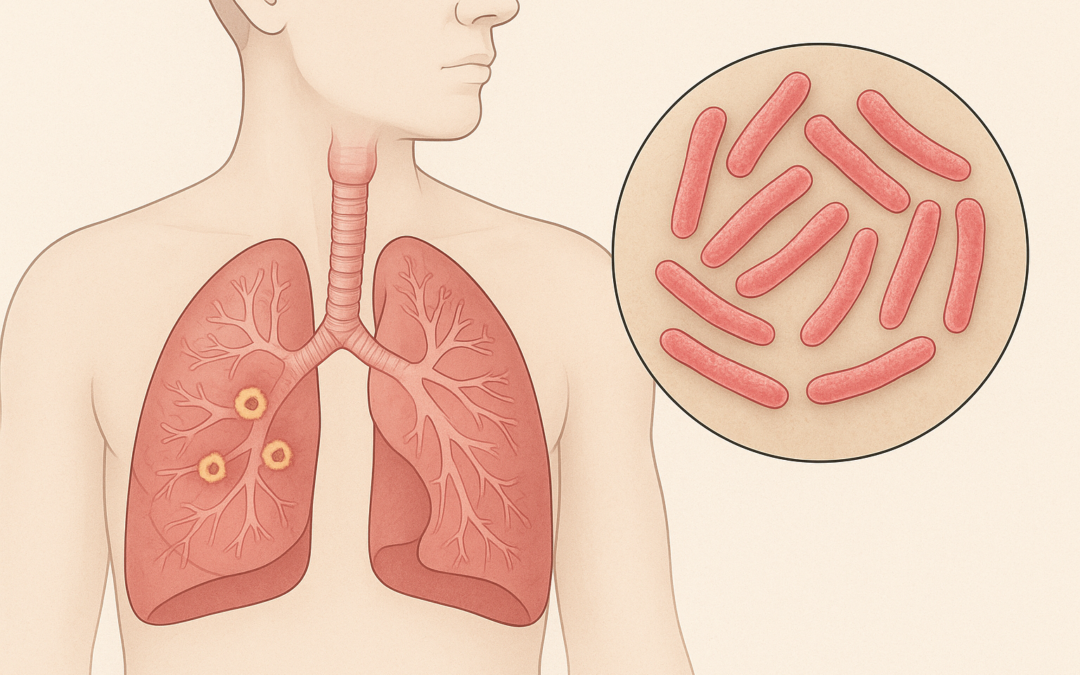
On October 8, 2025, the World Health Organization (WHO) released updated guidelines within its consolidated framework on tuberculosis (TB), specifically Module 6: Tuberculosis and Comorbidities, focusing on the critical intersection of TB and undernutrition. Published as part of the WHO’s End TB Strategy, these guidelines address undernutrition as a major global driver of TB, increasing disease susceptibility, worsening treatment outcomes, and contributing to preventable mortality. The recommendations advocate for a people-centered, comprehensive approach to TB care by integrating nutritional interventions to break the cycle of disease and poverty.
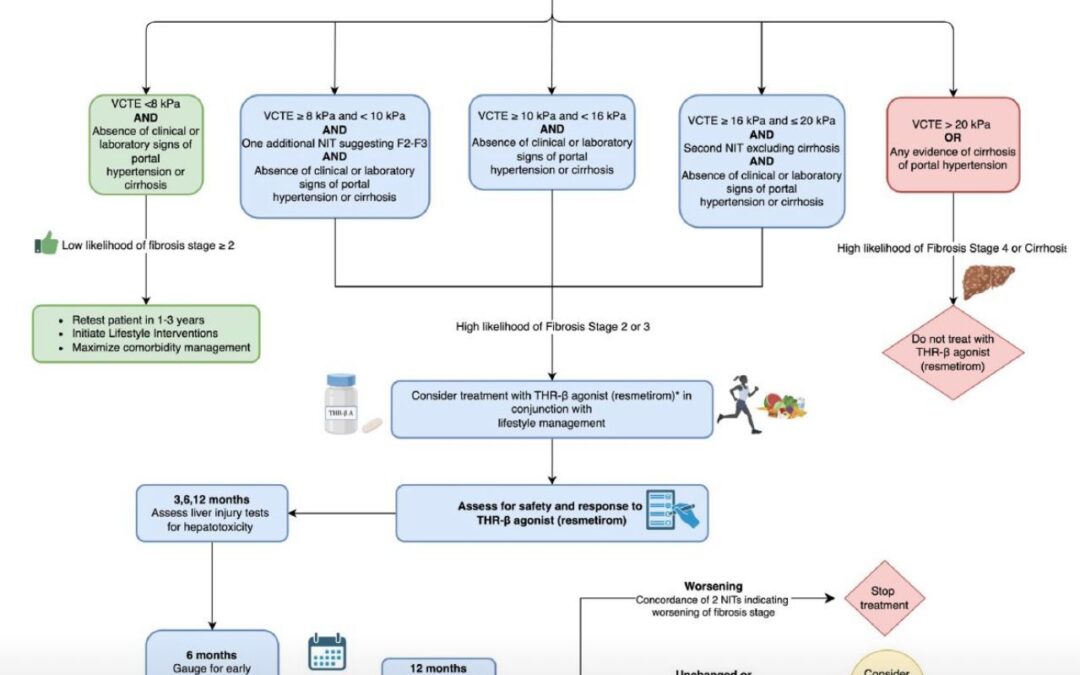
The Global Consensus Recommendations for Metabolic Dysfunction-Associated Steatotic Liver Disease (MASLD) and Metabolic Dysfunction-Associated Steatohepatitis (MASH), represent a landmark effort by an international multidisciplinary panel of 50+ experts from hepatology, endocrinology, and primary care. Developed via a two-round modified Delphi process (87% agreement threshold) and systematic literature review (up to May 2024), these guidelines update prior NAFLD/NASH frameworks to align with the 2023 nomenclature shift, focusing on cardiometabolic drivers to enhance diagnostic precision and therapeutic equity.

Teva Pharmaceuticals and Medincell announced on October 10, 2025, the U.S. FDA’s approval of an expanded indication for UZEDY® (risperidone) extended-release injectable suspension, now authorized for subcutaneous use as monotherapy or adjunctive therapy to lithium or valproate for maintenance treatment of bipolar I disorder (BD-I) in adults. This marks UZEDY’s second major indication following its 2023 approval for schizophrenia treatment in adults, where it is administered every one or two months.

On October 8, 2025, Regeneron Pharmaceuticals announced that the U.S. Food and Drug Administration (FDA) approved Libtayo (cemiplimab-rwlc), a PD-1 inhibitor, as the first and only immunotherapy for adjuvant treatment of adult patients with cutaneous squamous cell carcinoma (CSCC) at high risk of recurrence following surgery and radiation. This approval, evaluated under Priority Review, is grounded in data from the pivotal Phase 3 C-POST trial, published in the New England Journal of Medicine and presented at ASCO 2025.
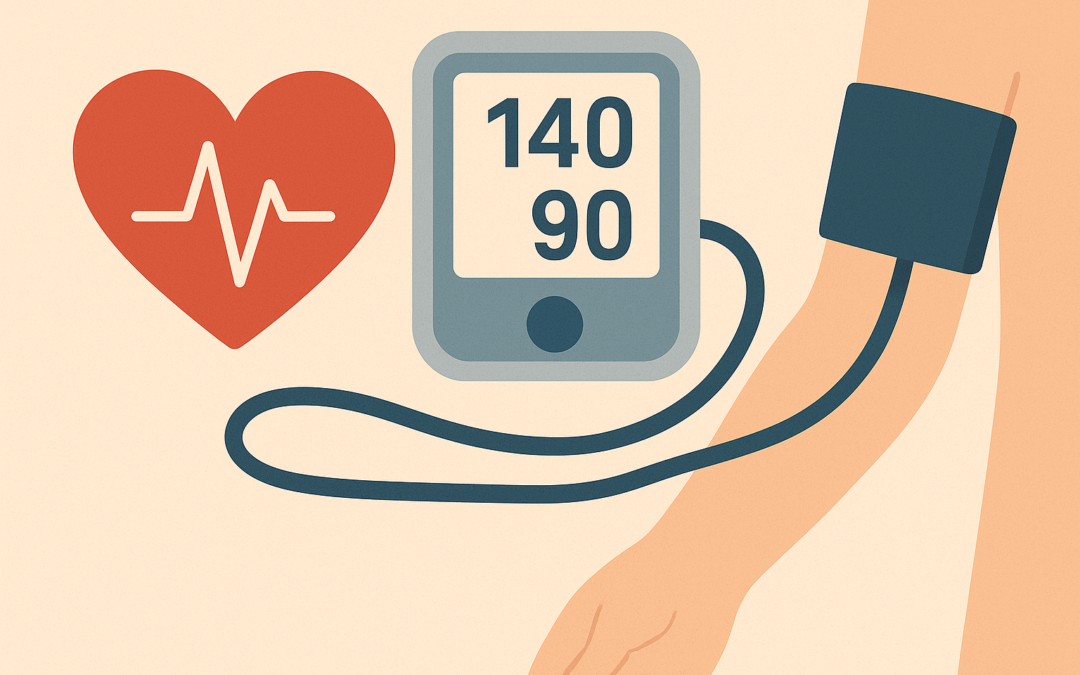
AstraZeneca announced positive results from the Bax24 Phase III trial on October 10, 2025, evaluating baxdrostat, a highly selective aldosterone synthase inhibitor, in patients with treatment-resistant hypertension (rHTN). The randomized, double-blind, placebo-controlled study met its primary endpoint, demonstrating a statistically significant and clinically meaningful reduction in 24-hour ambulatory systolic blood pressure (SBP) at 12 weeks compared to placebo.