
Heart failure with preserved ejection fraction (HFpEF) represents a significant clinical challenge, particularly among patients with obesity and type 2 diabetes, where cardiometabolic factors exacerbate disease progression. While glucagon-like peptide-1 (GLP-1) receptor agonists like semaglutide and dual GLP-1/glucose-dependent insulinotropic polypeptide (GIP) agonists like tirzepatide have demonstrated symptomatic improvements in preliminary trials, evidence on hard clinical endpoints such as hospitalization and mortality remains limited due to small event numbers. The objective of this study is to assess the real-world effectiveness and safety of semaglutide and tirzepatide in reducing heart failure hospitalization or all-cause mortality in patients with cardiometabolic HFpEF, including trial emulation and head-to-head comparisons.

Rosuvastatin, a potent statin for cardiovascular risk reduction, has raised concerns about QTc interval prolongation, a risk factor for torsades de pointes and sudden cardiac death. This study investigates the short-term effect of rosuvastatin on QTc interval compared to atorvastatin in patients with suspected coronary artery disease (CAD).

Coronary artery disease (CAD) remains a leading cause of morbidity and mortality globally, necessitating effective secondary prevention strategies. Clopidogrel and aspirin are widely used antiplatelet therapies, but their comparative efficacy and safety remain debated. This systematic review and individual patient data meta-analysis aimed to compare clopidogrel versus aspirin in preventing recurrent cardiovascular events in patients with established CAD.
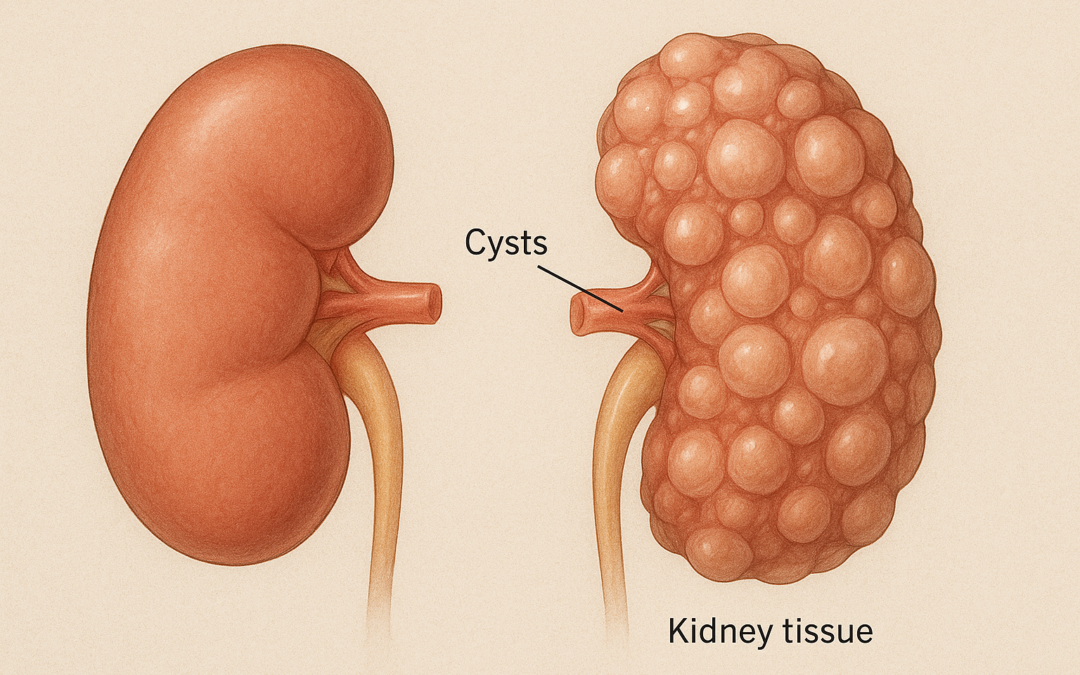
Autosomal dominant polycystic kidney disease (ADPKD) is a leading cause of kidney failure, necessitating novel therapies to slow disease progression. The Implementation of Metformin Therapy to Ease Decline of Kidney Function in Polycystic Kidney Disease (IMPEDE-PKD) trial is a prospective, multi-centre, international, double-blind, randomized, placebo-controlled phase III study evaluating metformin’s efficacy in reducing kidney function decline in ADPKD patients.
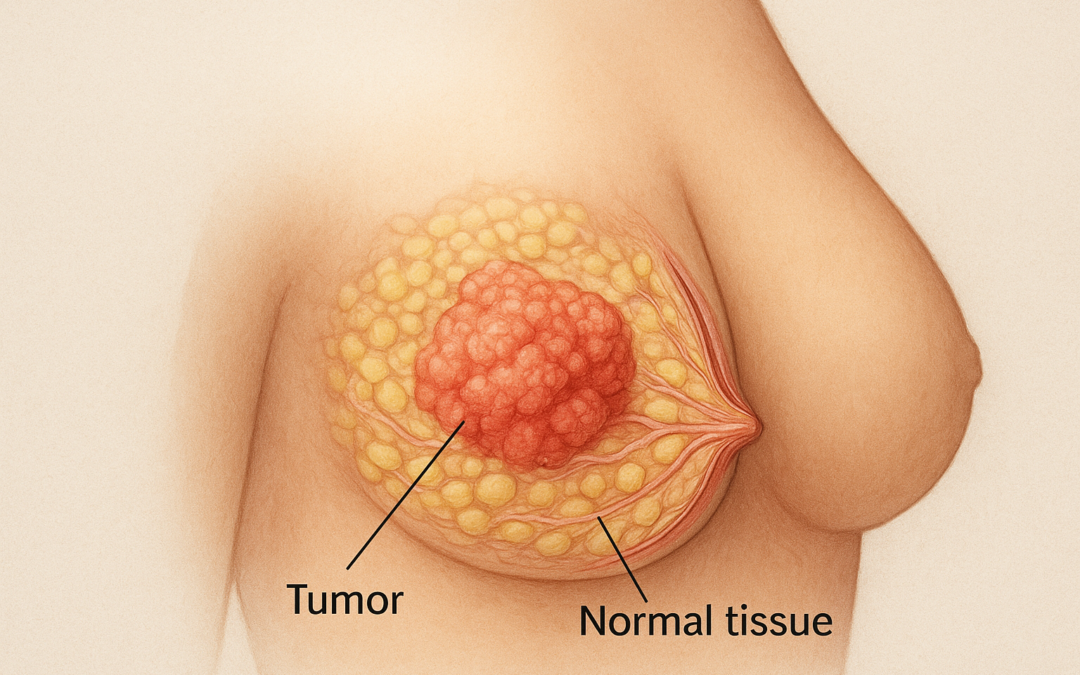
Eli Lilly and Company’s Verzenio® (abemaciclib), a CDK4/6 inhibitor, has demonstrated significant improvement in overall survival (OS) in patients with hormone receptor-positive (HR+), HER2-negative (HER2-), node-positive, high-risk early breast cancer, as reported in the phase 3 monarchE trial. This global, randomized, open-label, multicenter study enrolled 5,637 patients across 600 sites in 38 countries, evaluating two years of Verzenio plus endocrine therapy (ET) against ET alone.