
This prospective cohort study investigated the longitudinal impact of semaglutide, a glucagon-like peptide-1 receptor agonist (GLP-1RA), on sarcopenia indicators and biomarkers of neuromuscular junction (NMJ) stability and neuronal health in older men with type 2 diabetes mellitus (T2DM), compared to sitagliptin as a control. Older adults with T2DM are at elevated risk for sarcopenia, characterized by loss of muscle mass, strength, and function, which can exacerbate disability and reduce quality of life.
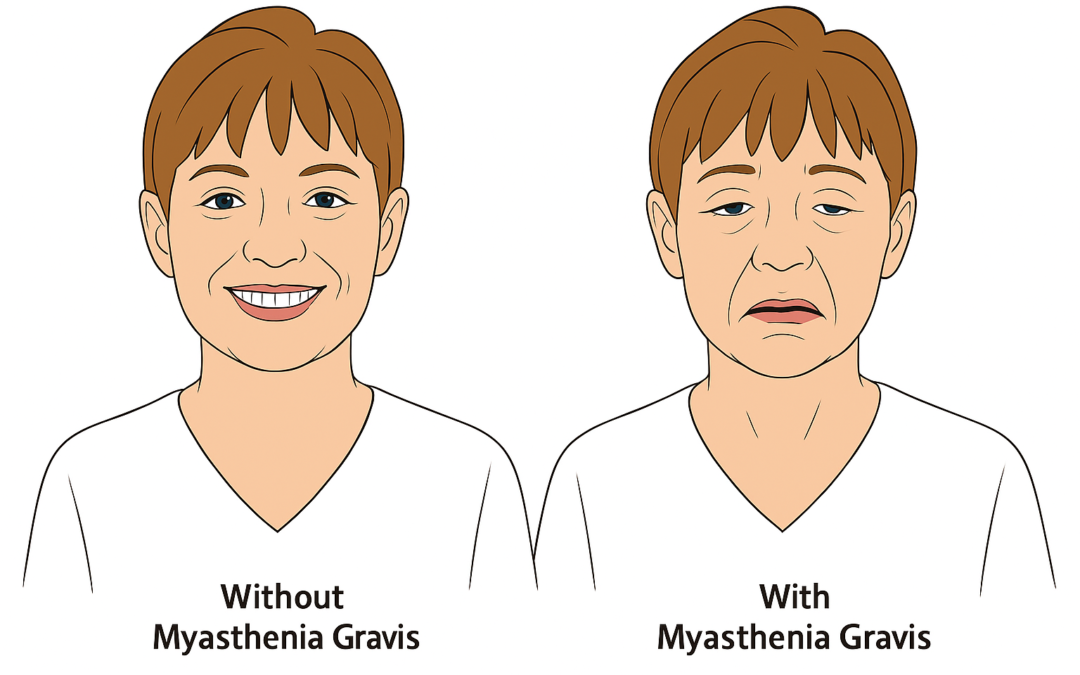
Regeneron Pharmaceuticals reported positive topline results from the Phase 3 NIMBLE trial evaluating investigational cemdisiran, an siRNA targeting complement factor 5 (C5), as monotherapy for adults with generalized myasthenia gravis (gMG). The trial, involving patients with anti-acetylcholine receptor antibodies, randomized participants to receive cemdisiran (600 mg subcutaneously every 12 weeks), a cemdisiran-pozelimab combination (200 mg each every 4 weeks), or placebo.

Ionis Pharmaceuticals, Inc. received FDA approval on August 21, 2025, for DAWNZERA™ (donidalorsen), the first RNA-targeted therapy for prophylaxis against hereditary angioedema (HAE) attacks in adults and pediatric patients aged 12 and older. HAE, a rare genetic condition affecting approximately 7,000 Americans, causes recurrent, potentially life-threatening swelling in various body parts. DAWNZERA targets plasma prekallikrein (PKK), a key protein in HAE attack pathways, and is administered via subcutaneous autoinjector every four (Q4W) or eight weeks (Q8W), offering the longest dosing interval among HAE prophylactics. This approval marks Ionis’ second independent product launch within nine months, following TRYNGOLZA® for familial chylomicronemia syndrome.

Metabolic dysfunction-associated steatotic liver disease (MASLD) is a leading cause of chronic liver disease, particularly in patients with type 2 diabetes (T2D). The IMAGIN Study, a single-center prospective observational trial, investigated the impact of empagliflozin as an add-on to metformin versus metformin monotherapy on MASLD progression in SGLT2 inhibitor-naïve T2D patients with an estimated glomerular filtration rate (eGFR) ≥45 mL/min/1.73 m². The study aimed to assess changes in liver steatosis, fibrosis, and metabolic parameters, alongside exploring potential microRNA (miRNA) biomarkers for treatment response.

Heart failure with improved ejection fraction (HFimpEF) represents an understudied subgroup of heart failure patients who, despite LVEF improvement, face residual risks comparable to those with consistently higher LVEF (>40%). The prognostic implications of the degree of LVEF improvement and its impact on treatment response remain poorly understood. The DELIVER trial (NCT03619213) addresses this gap by evaluating dapagliflozin, a sodium-glucose cotransporter 2 inhibitor, in patients with heart failure and LVEF >40%, including those with HFimpEF. This study explores whether the extent of LVEF improvement influences clinical outcomes and the therapeutic benefits of dapagliflozin.