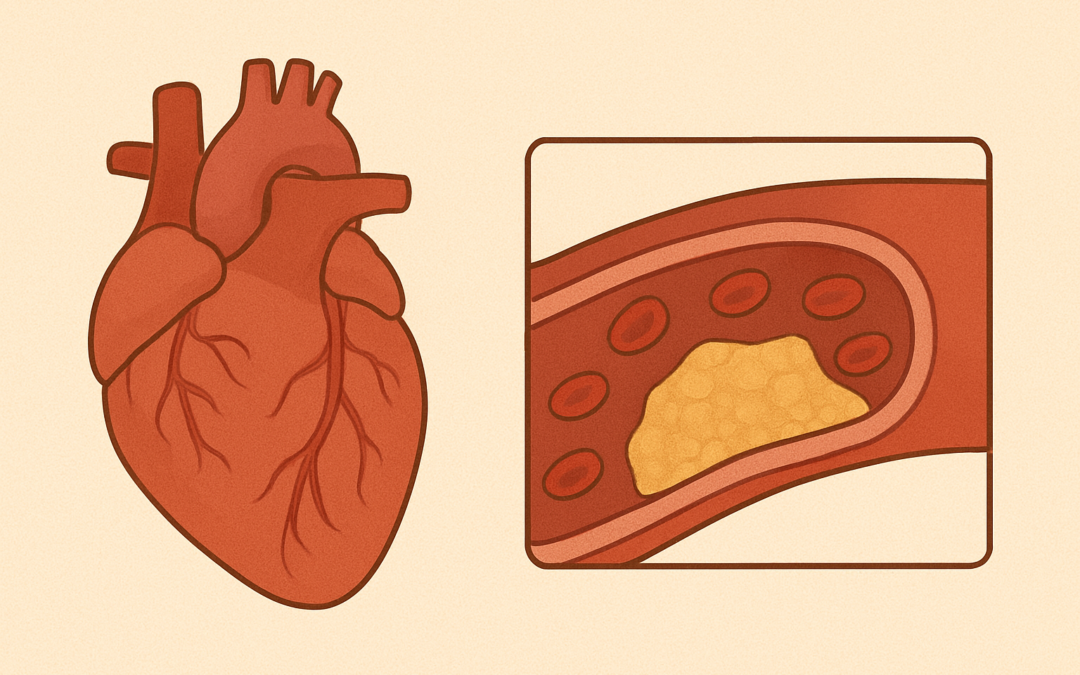
Atherosclerotic cardiovascular disease (ASCVD) poses a major threat to patients with type 2 diabetes, even without prior events. While aspirin is recommended for primary prevention in high-risk diabetic individuals, its benefits are offset by increased bleeding risks, particularly gastrointestinal (GI) bleeding. Clopidogrel, a P2Y12 inhibitor, has shown fewer GI events in secondary prevention trials, but its role in primary prevention remains unclear. This study aimed to compare the effectiveness and safety of clopidogrel versus aspirin in high- and very high-risk diabetic patients without ASCVD, using real-world data from the Korean National Health Insurance Service–National Sample Cohort (NHIS-NSC) from 2010-2019.

Heart failure with reduced ejection fraction (HFrEF) is a significant health issue, with sacubitril/valsartan (an angiotensin receptor neprilysin inhibitor) improving outcomes but potentially causing hyperkalemia due to aldosterone suppression and interactions with other therapies. This study evaluated potassium levels and hyperkalemia prevalence in HFrEF patients post-initiation, comparing pre- and post-treatment rates in a real-world Saudi cohort to inform monitoring strategies.

This secondary analysis of the ARCADIA trial, a randomized study comparing apixaban versus aspirin for secondary stroke prevention in patients with cryptogenic stroke and atrial cardiopathy, investigated the relationship between left ventricular (LV) systolic dysfunction and recurrent ischemic stroke, as well as the efficacy of apixaban in this context.

Heart failure with preserved ejection fraction (HFpEF) represents a significant clinical challenge, particularly among patients with obesity and type 2 diabetes, where cardiometabolic factors exacerbate disease progression. While glucagon-like peptide-1 (GLP-1) receptor agonists like semaglutide and dual GLP-1/glucose-dependent insulinotropic polypeptide (GIP) agonists like tirzepatide have demonstrated symptomatic improvements in preliminary trials, evidence on hard clinical endpoints such as hospitalization and mortality remains limited due to small event numbers. The objective of this study is to assess the real-world effectiveness and safety of semaglutide and tirzepatide in reducing heart failure hospitalization or all-cause mortality in patients with cardiometabolic HFpEF, including trial emulation and head-to-head comparisons.

Rosuvastatin, a potent statin for cardiovascular risk reduction, has raised concerns about QTc interval prolongation, a risk factor for torsades de pointes and sudden cardiac death. This study investigates the short-term effect of rosuvastatin on QTc interval compared to atorvastatin in patients with suspected coronary artery disease (CAD).

Coronary artery disease (CAD) remains a leading cause of morbidity and mortality globally, necessitating effective secondary prevention strategies. Clopidogrel and aspirin are widely used antiplatelet therapies, but their comparative efficacy and safety remain debated. This systematic review and individual patient data meta-analysis aimed to compare clopidogrel versus aspirin in preventing recurrent cardiovascular events in patients with established CAD.